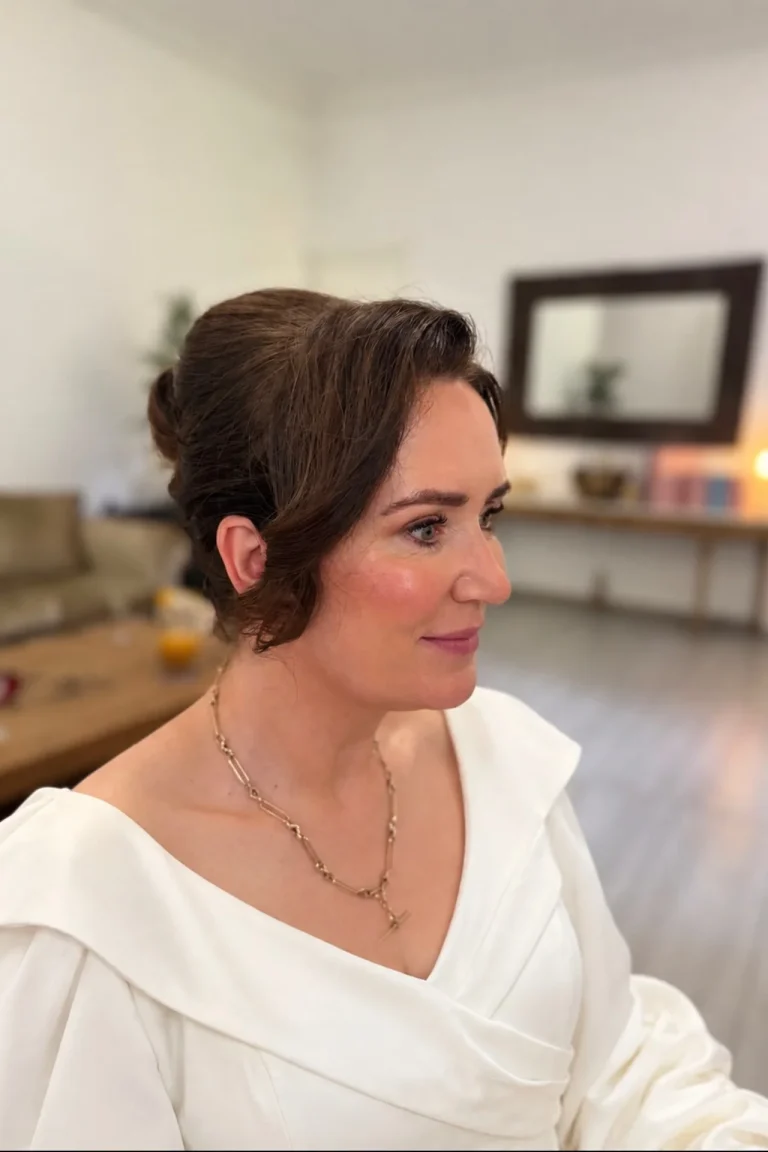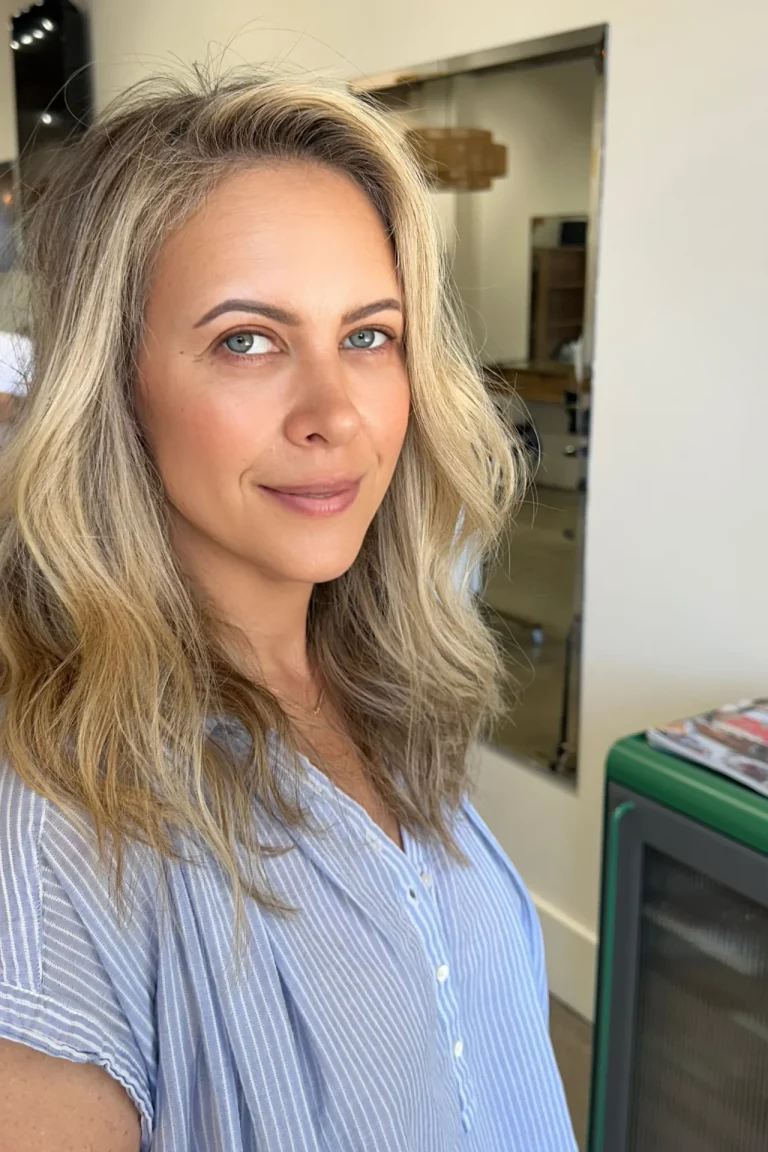
A blunt bob can feel too neat. A pixie can feel too short. The shaggy bob sits in the middle, with layers that move and ends that do not need to sit in a perfect line.
That is the whole point of it. A shaggy bob is cut to look good a little undone, so it is one of the easiest bobs to live with once the salon styling wears off. Rough dry it, shake it out, and you still have a shape.
Shaggy bob cuts come in plenty of versions, though, and the layers that suit thick hair will not suit fine hair. The eight below cover the main ones, plus how to pick between them.
Table of Contents
Classic Shaggy Bob With Choppy Layers
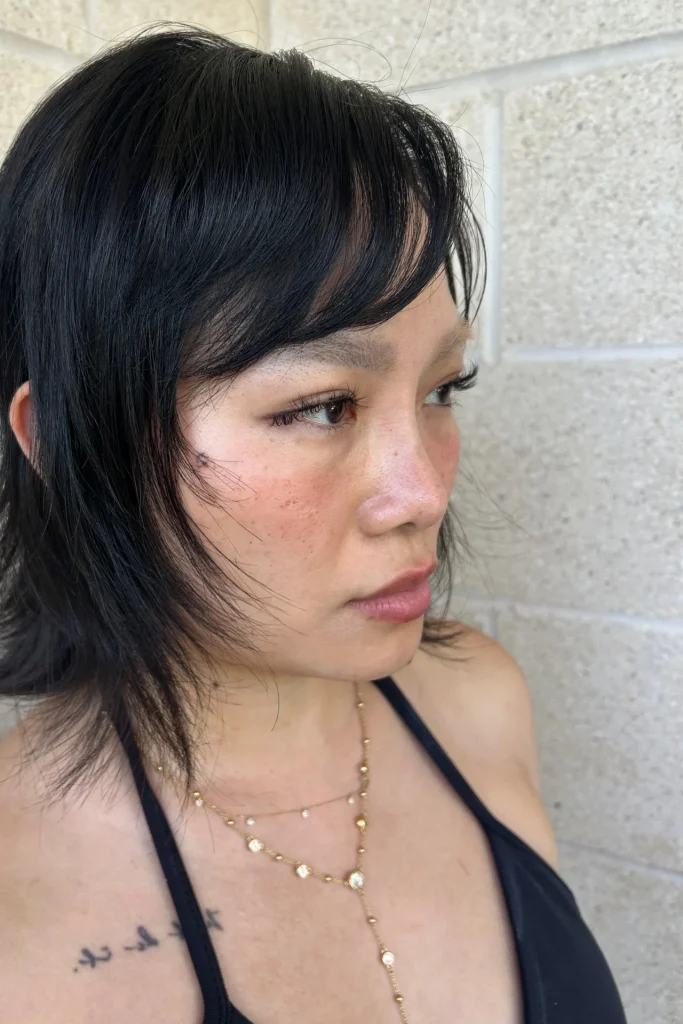
This is the version most people picture when they say shaggy bob. The length sits around the jaw or chin, the layers are cut choppy, not blended smooth, and the ends flick out in different directions on purpose.
It suits straight to slightly wavy hair best, because the choppy layers show up clearly and give flat hair some life. Ask your stylist to keep them disconnected enough to see, not blended away into a regular bob.
Style it with a little texture cream on damp hair and a rough dry with your fingers. If you smooth it too much with a round brush, you lose the shag that makes it a shaggy bob in the first place.
Shaggy Bob With Curtain Fringe
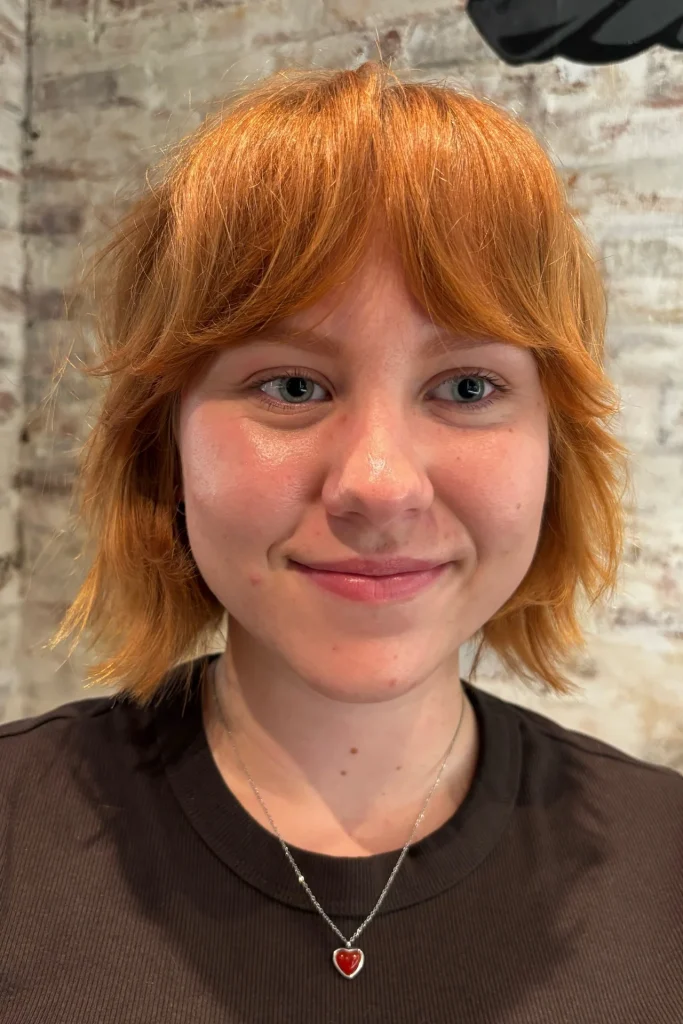
A curtain fringe changes a shaggy bob without changing its length. The fringe parts in the middle and sweeps to each side, framing the face and blending straight into the longest layers.
This version suits you if you want a fringe without the commitment of a short, straight one. It grows out softly, and you can pin it back on days you do not feel like dealing with it.
Dry the fringe first, parted where you want it to fall, while it is still damp. That first minute decides whether it sweeps neatly or lifts away. See how fringe lengths change a shorter cut in these bangs hairstyles.
Air-Dried Shaggy Bob for Natural Texture

Some cuts only look right after a blow dry. This one is built for the opposite. The layers are cut so your natural wave or bend can dry into shape on its own, with no round brush needed.
It suits wavy hair especially well, and anyone who would rather spend five minutes on hair than twenty. The cut does the work: wash, scrunch in a little cream, and leave it alone while it dries.
The one habit to break is touching it while it dries. Every touch breaks up the texture the layers were cut to show. Let it set, then shake it out once at the end.
Shaggy Bob for Fine Hair

Fine hair and shaggy layers can be a tricky pair, because too many layers thin the ends out fast. The fine-hair version keeps the layers longer and fewer, so the ends still look full while the top gets some lift.
Ask your stylist to keep weight at the bottom and put movement higher up, around the crown and mid lengths. That gives the shaggy feel without wispy ends.
Use light products only, and less than you think you need. Heavy creams flatten fine hair fast, and a flat shaggy bob just reads as a grown-out bob with no shape left.
Shaggy Bob for Thick Hair
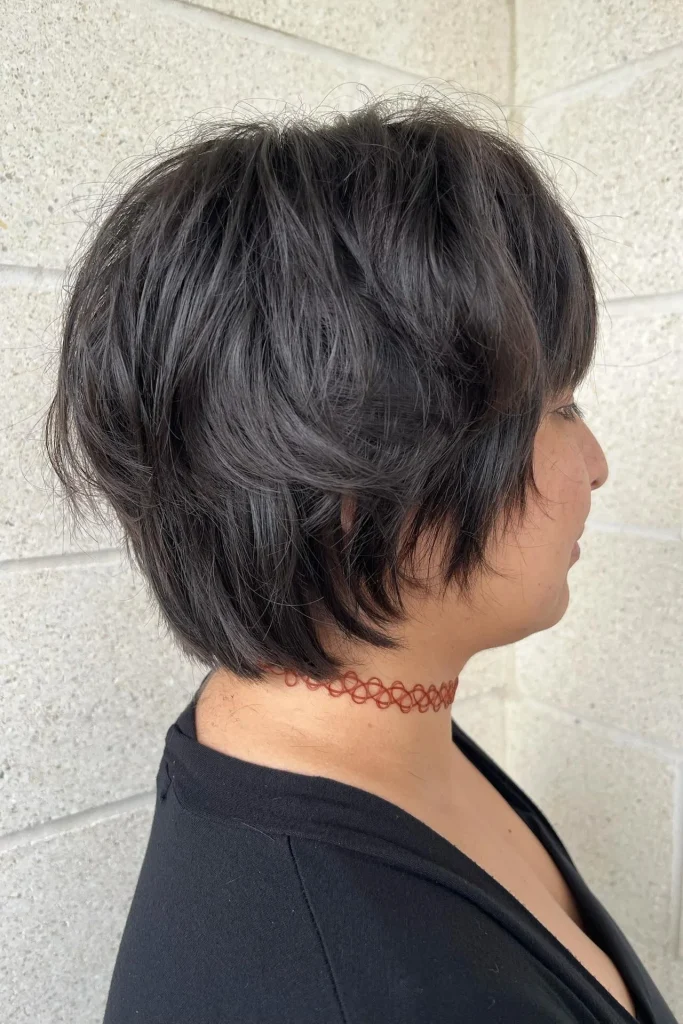
Thick hair is where a shaggy bob really earns its keep. Without layers, a thick bob turns into a heavy triangle, wide at the ends. Layers take that weight out and let the cut fall narrower.
Here the layers go deeper, with more texture through the bulk underneath. Your stylist may thin the interior, not just layer the surface, so the shape stays compact instead of puffing out.
Drying matters more with thick hair. Rough dry it most of the way, then smooth just the top layer for polish. A plain simple hair care routine helps too, since thick hair shows dryness and split ends sooner.
Shaggy Bob With Soft Waves
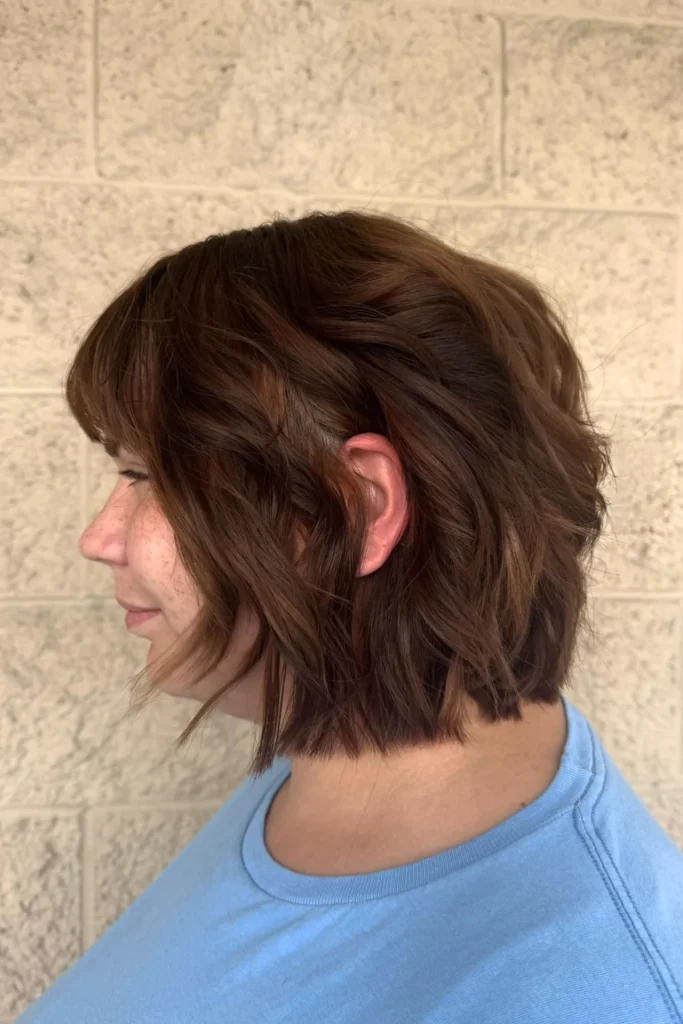
This version starts with a shaggy cut and adds soft, loose waves through the mid lengths and ends. The waves do not need to be perfect or even, which is exactly why they pair so well with choppy layers.
It suits hair with a natural bend, and anyone who likes a relaxed finish over a polished one. A large barrel iron or a quick braid wave both work, as long as you brush the waves out softly instead of leaving tight curls.
Keep the waves away from the roots. Root volume plus waves through the ends can make a shaggy bob look wide, while flatter roots keep the shape long and easy. These wavy hairstyles show how much difference wave placement makes.
Longer Shaggy Bob, Just Past the Jaw
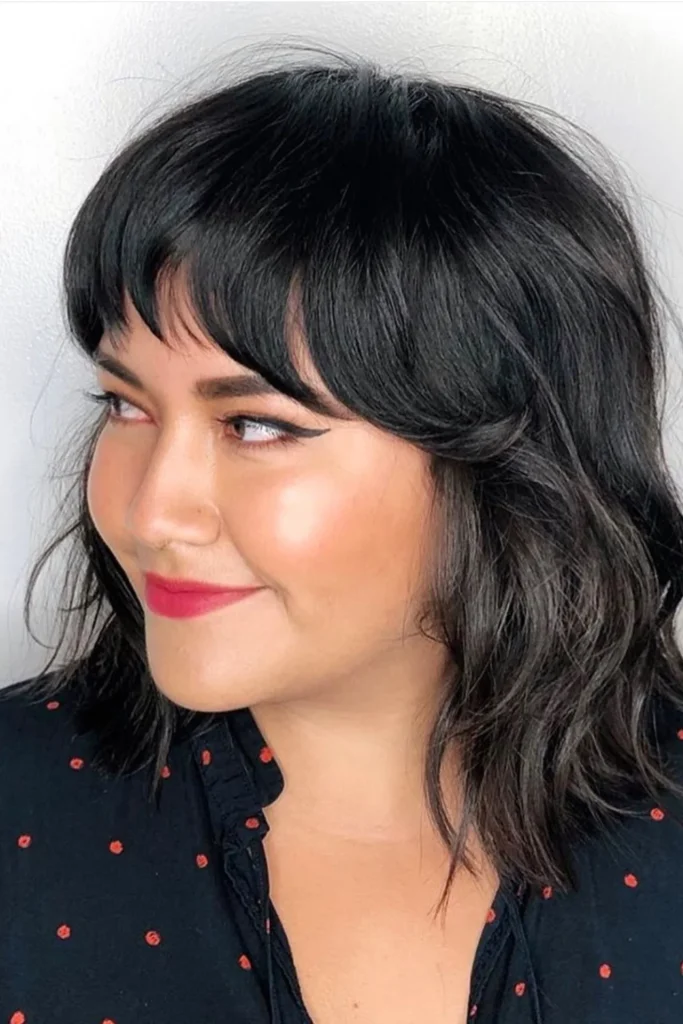
Not every shaggy bob is short. This one sits just past the jaw, sometimes brushing the shoulders, with shaggy layers running through the ends rather than stopping at the chin.
The extra length makes it a good middle step if you are growing out a bob or not ready for a chin-length cut. It also gives styling room: tuck it behind your ears, pin one side back, or pull the front pieces up.
It is not the same cut as a lob, though. A long bob hairstyle is usually smoother and more even, while this one keeps the choppy, layered ends that mark it as shaggy. If the ends start looking blunt, the layers need refreshing, not the length.
Grown-Out Shaggy Bob, Shaped Along the Way
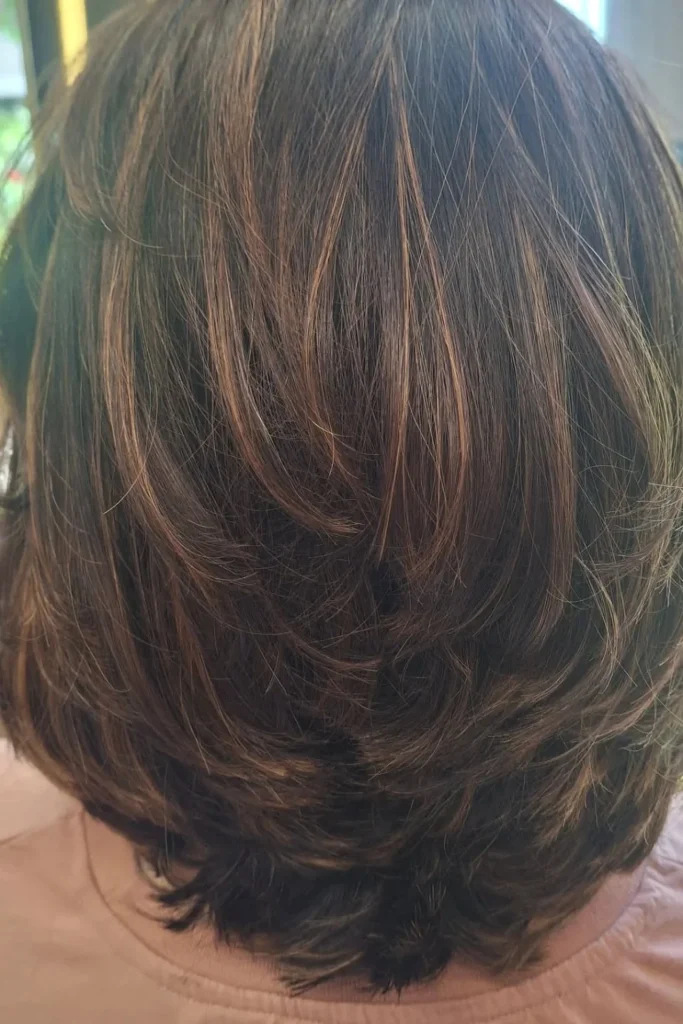
A shaggy bob grows out better than most bobs, because uneven ends hide new length well. But without shaping, the layers lose their pattern and the cut turns into one heavy length.
The fix is a shaping trim every six to eight weeks, focused on the layers, not the overall length. Your stylist can tidy the ends and refresh the shortest layers while the rest gains length.
That slow grow-out gives you choices: hold the shaggy bob, let it drift toward a longer layered cut, or reshape it into a classic bob hairstyle when you want a cleaner line again. Either way, the awkward stage is much shorter than with a blunt cut.
Choosing Your Shaggy Bob: Length, Layers, and Upkeep
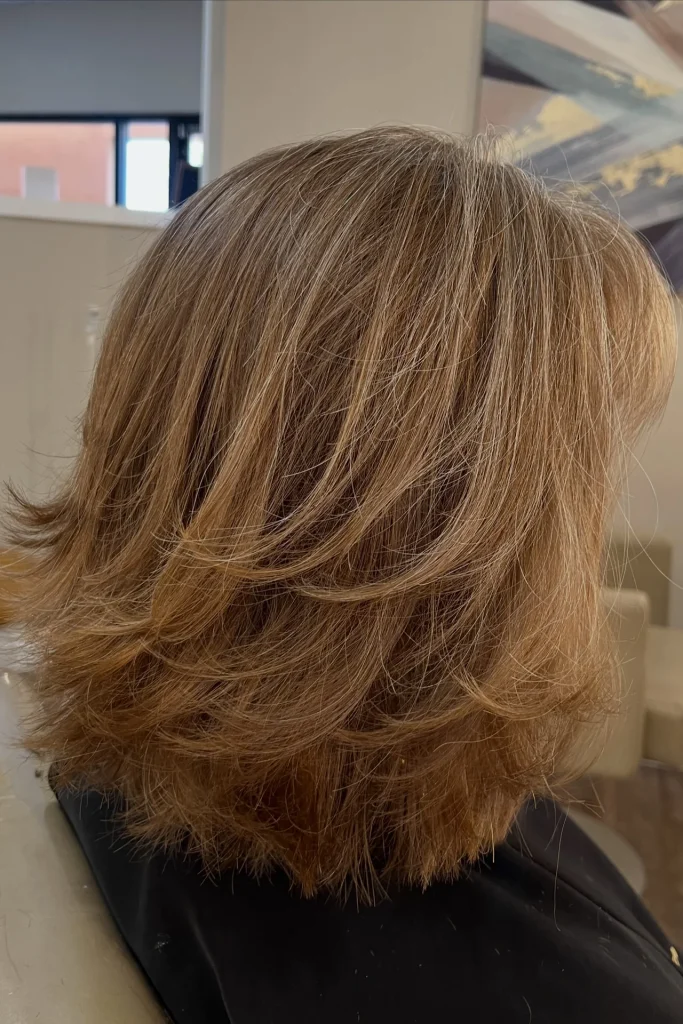
Start with your hair type, not the photo. Fine hair needs fewer, longer layers. Thick hair needs deeper layers to remove bulk.
Wavy hair needs layers cut to follow its natural bend, while straight hair shows choppy layers most clearly.
Then think about length. Chin length shows the shag most boldly, while a jaw-plus length is easier to grow out and pin back. Your face shape matters here too, so read how to choose a haircut for your face shape before your appointment and point to the length and fringe you actually want.
Bring photos, and be honest about your routine. A shaggy bob is low effort, not no effort: it still needs a shaping trim and a little product most days. If you will not use product at all, say so, and ask for longer layers that hold their shape dry.
For daily care, keep it light. Wash when your scalp needs it, and condition the ends without weighing the roots down.
Protect it from too much heat. Dermatologists also share tips from dermatologists for healthy hair that are worth a quick read.
On rushed mornings, a shaggy bob is usually faster than a sleek bob, because rough drying is the whole method. Keep a few easy hairstyles for busy mornings in mind for the days when even rough drying feels like too much.
Quick Answers
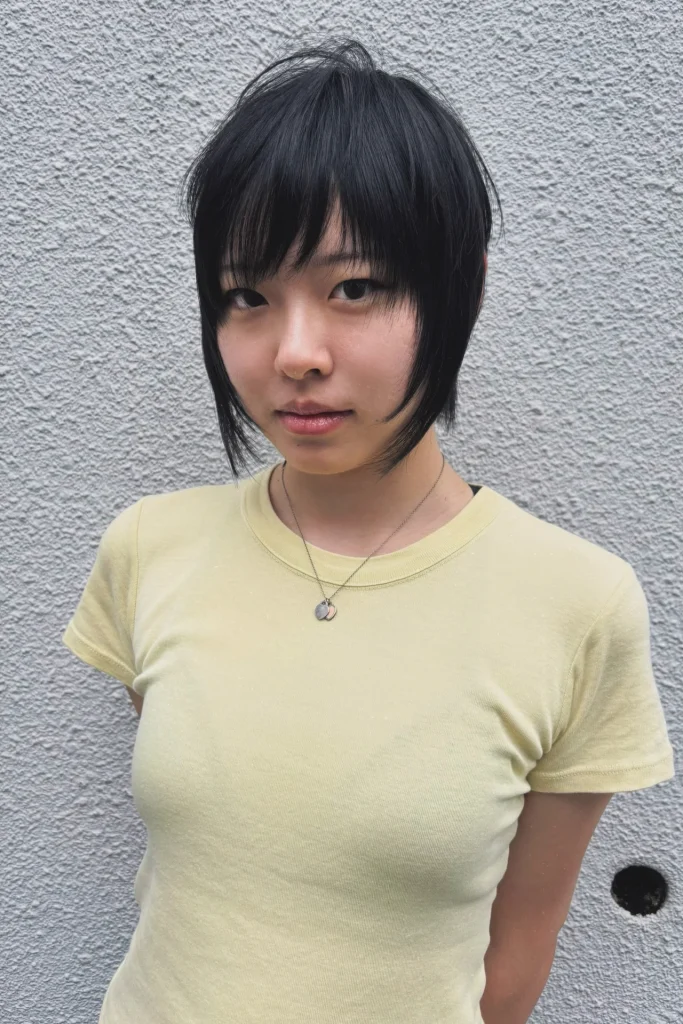
Does a shaggy bob suit fine hair?
Yes, if the layers stay long and few. Too many short layers thin fine hair out, but longer layers through the crown and mid lengths give lift while the ends stay full.
How often does a shaggy bob need a trim?
Most shaggy bobs look best with a shaping trim every six to eight weeks. The cut hides growth better than a blunt bob, so it can stretch a little longer, but the layers lose their pattern without regular shaping.
Can I air dry a shaggy bob?
Yes, and that is one of its strengths. A shaggy bob cut for your natural texture dries into shape on its own, especially on wavy hair, as long as you leave it alone while it dries instead of touching it.
Is a shaggy bob the same as a wolf cut?
No. A wolf cut is usually longer, with much shorter layers on top and a wilder, more disconnected shape. A shaggy bob keeps bob length and a rounder outline, with layers that stay closer to the overall shape.