Bangs Hairstyles: 8 Cuts That Fix Flat Bangs, Cowlicks, and Awkward Grow-Out
Bangs change a whole haircut, and they do it in one small section. Get them right and your face looks framed, your eyes stand out, and even a plain ponytail looks finished.
Get them wrong and you spend every morning fighting the same problems. Bangs that fall flat by lunch, a cowlick that lifts one side, or a fringe that grows out into an awkward curtain you never asked for.
The best bangs hairstyles are chosen for your hair, not just for a photo. Hair texture, forehead shape, glasses, and how much time you honestly have in the morning all matter more than the trend itself.
These eight cuts cover those real problems. Each one notes who it suits, what to ask for, and how to keep it from turning on you between trims.
Table of Contents
Blunt Full Bangs That Stay Put
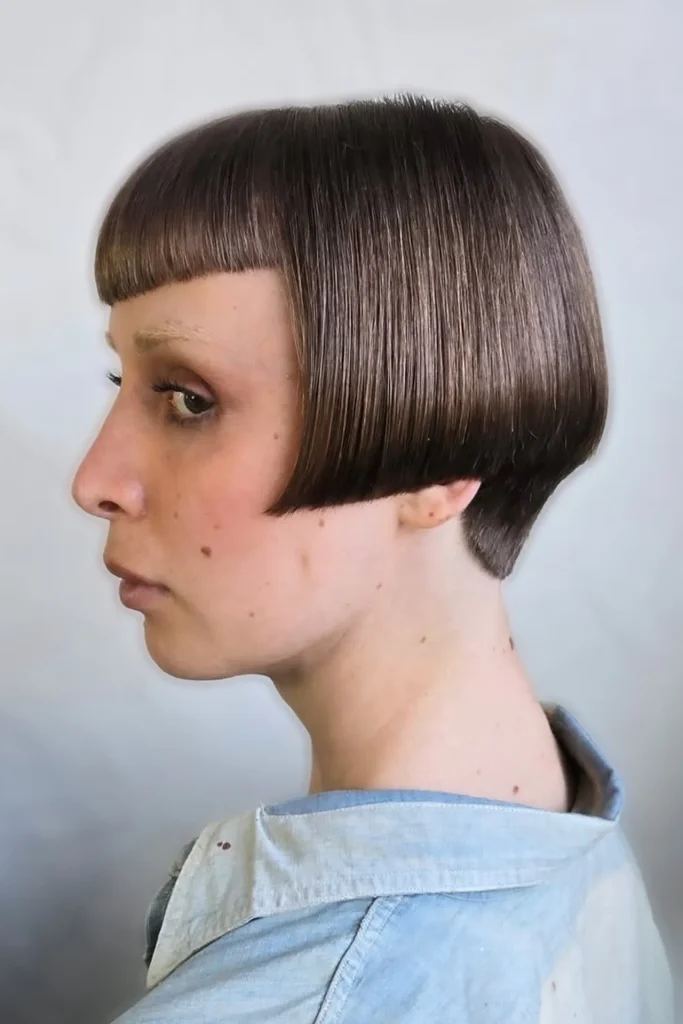
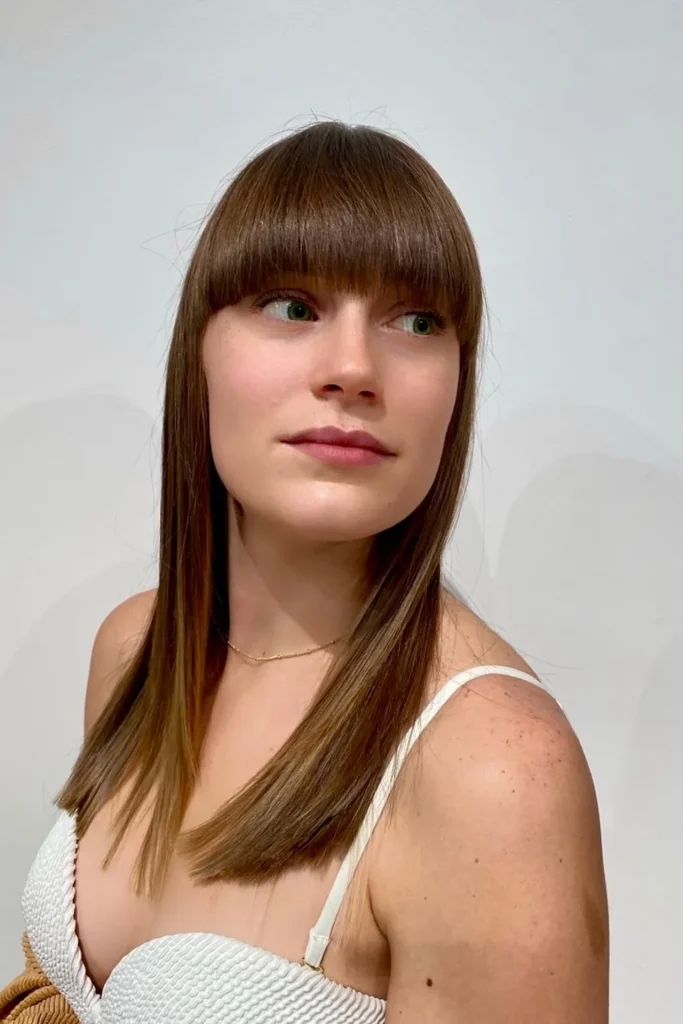
Blunt full bangs are cut straight across, with enough weight to sit in one clean line. They work best on straight or slightly wavy hair that is medium to thick, because the weight keeps the line from splitting apart.
Ask for a blunt edge that ends just above the brows, with no thinning through the middle.
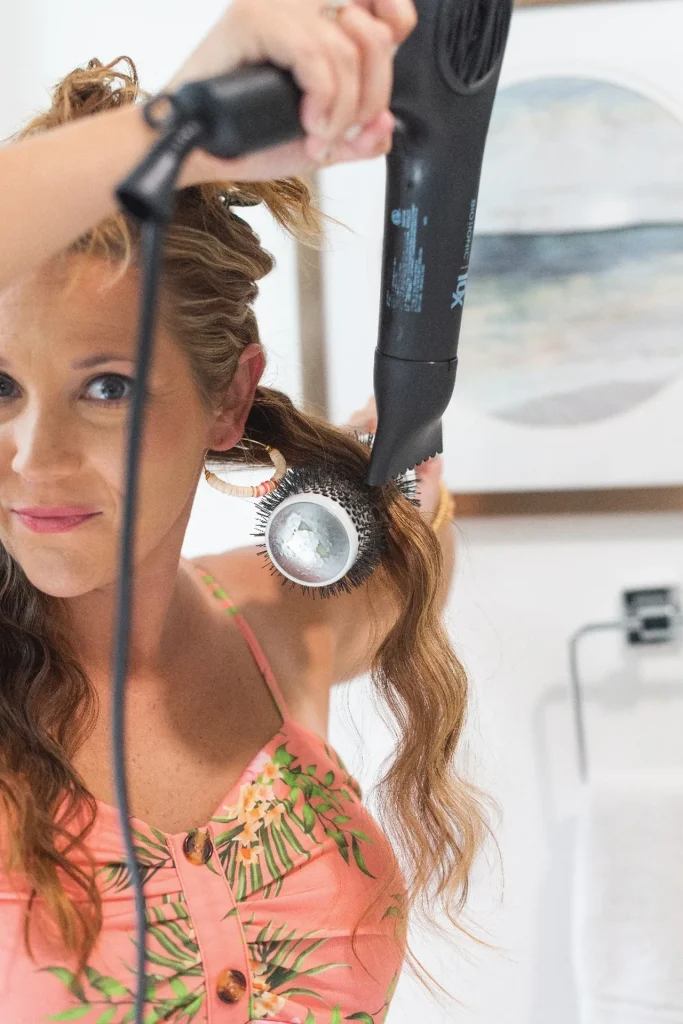
Dry them with a small round brush, rolling the ends slightly under. That one step keeps the line smooth and stops the ends from flipping out as the day goes on.
Wispy Bangs for Fine Hair
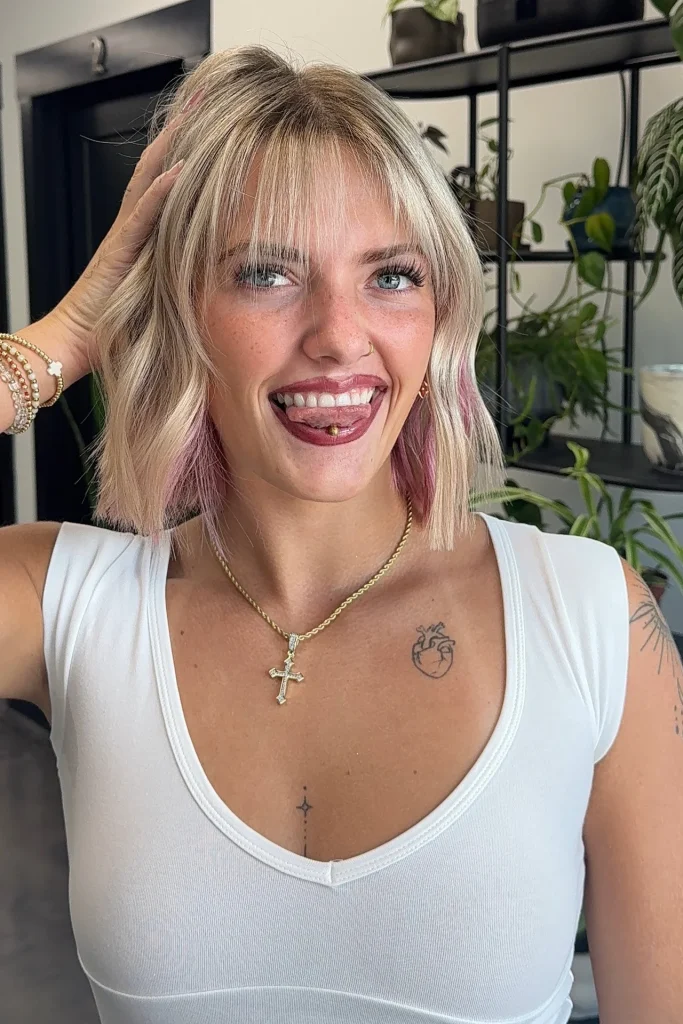
Wispy bangs are light, airy, and deliberately see through in places. They suit fine hair better than a heavy fringe, because a heavy fringe on fine hair can look thin and stringy no matter how well it is cut.
Ask your stylist to cut wispy bangs from a smaller section, so the rest of your hair keeps its fullness.
Style them with almost no product. A tiny amount of light cream on damp hair is enough, and heavy wax or oil will only make fine bangs look flat and greasy.
Side Swept Bangs for a Soft Grow-Out
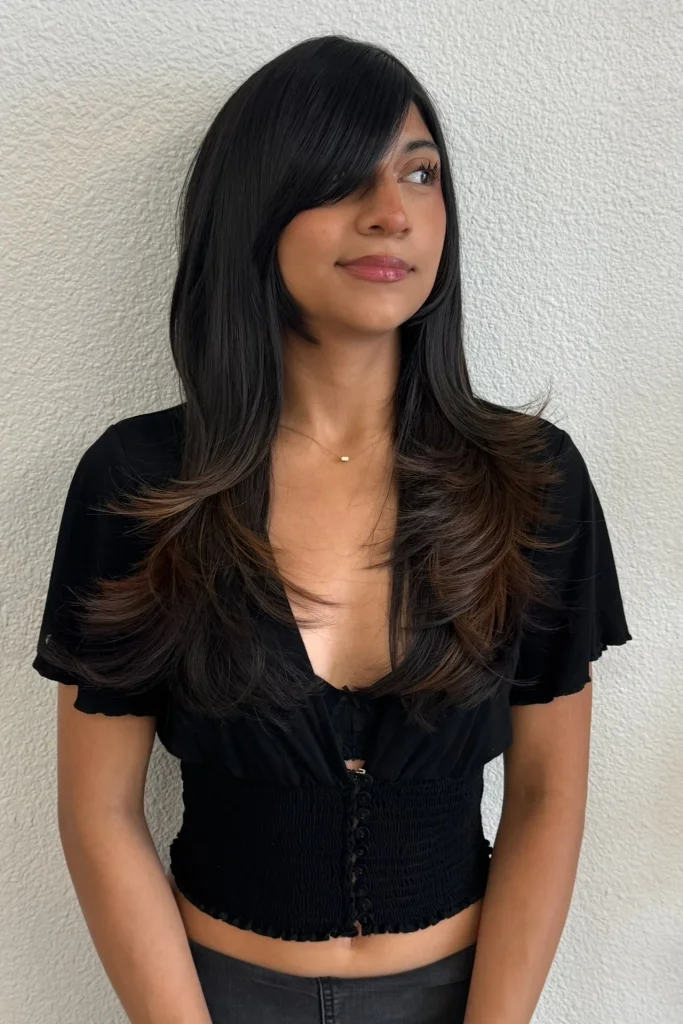
Side swept bangs are cut longer on one side and swept across the forehead, so they blend into the rest of your hair. They are the easiest bangs to grow out, because there is no hard line to fight as they get longer.
This cut suits almost every face shape, and it is a kind choice if you are not sure you want bangs for good. Ask for the shortest piece to sit around the cheekbone, with the length blending gradually into the layers beside your face.
To style them, blow dry the bangs to the side you want them to fall, using your fingers rather than a brush.
Bottleneck Bangs for a Face Opening Look
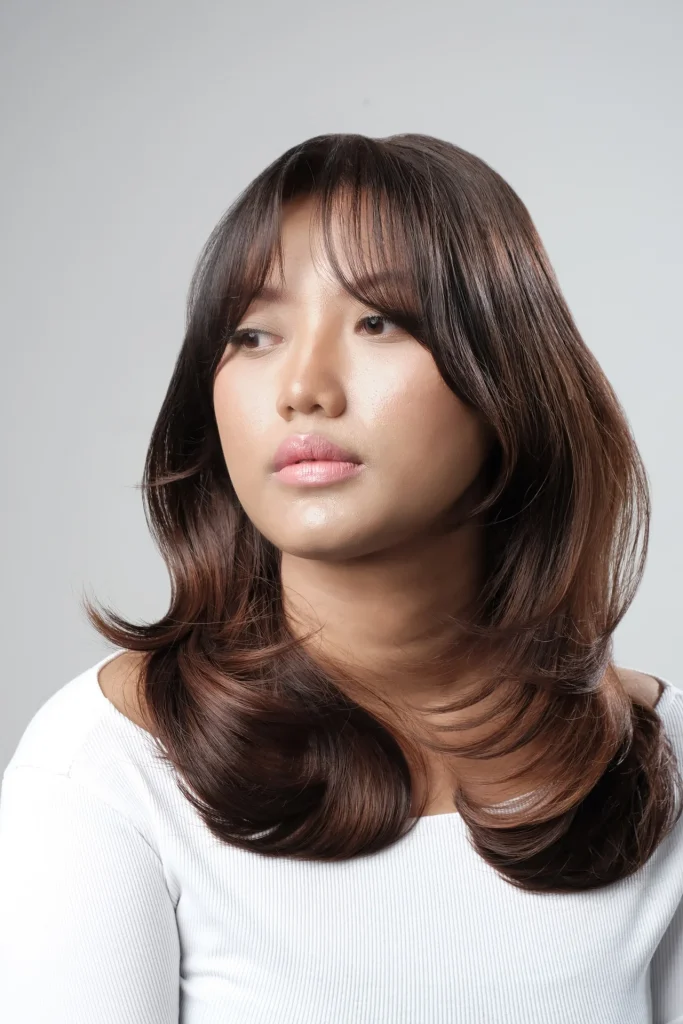
Bottleneck bangs are narrow at the top and wider through the cheekbones, like the shape of a bottle neck. They open up the face without covering it, and they suit longer hair especially well.
Ask for the middle pieces to be shorter, around the brow, and the side pieces to blend down past the cheekbones.
They pair well with a bob or a longer cut with soft layers. You can compare the shorter shape in these bob hairstyles before you decide how much length to keep around the bangs.
Curly Bangs That Keep Their Spring
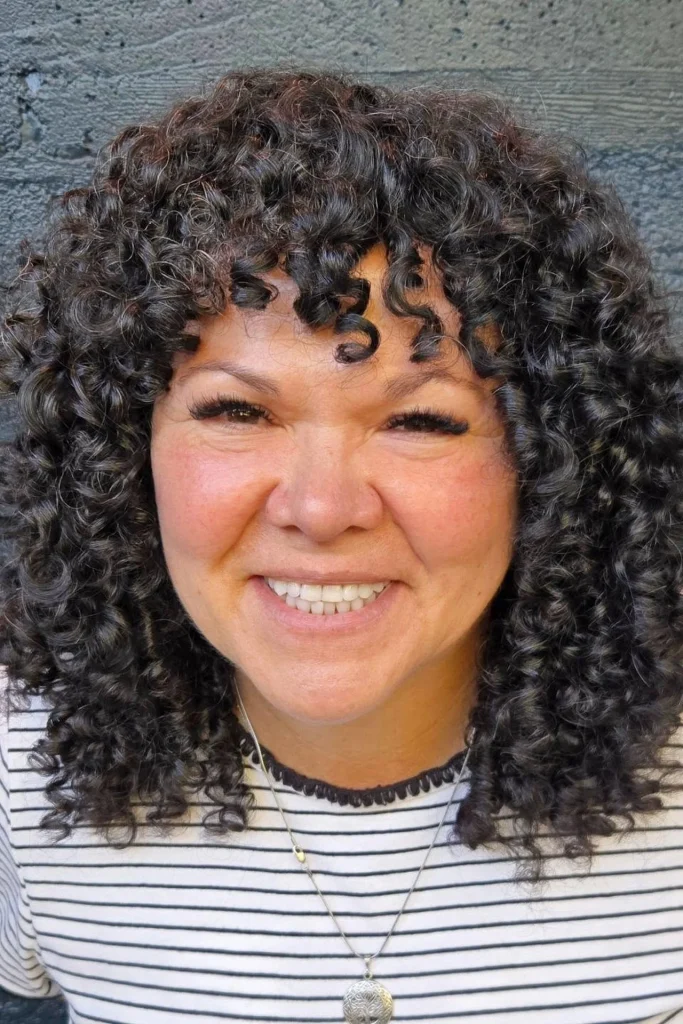
Curly bangs need a different cut from straight bangs, because curls shrink as they dry. A bang that looks perfect when wet can spring up far too short once it dries, so the cut has to allow for that bounce.
Ask your stylist to cut curly bangs dry, or at least to cut them longer than the finished length you want. They should follow each curl rather than cutting straight across, so the shape stays even when the curls move.
Scrunch in a light cream or curl cream while the bangs are damp, then let them dry untouched.
Choppy Textured Bangs for Thick Hair
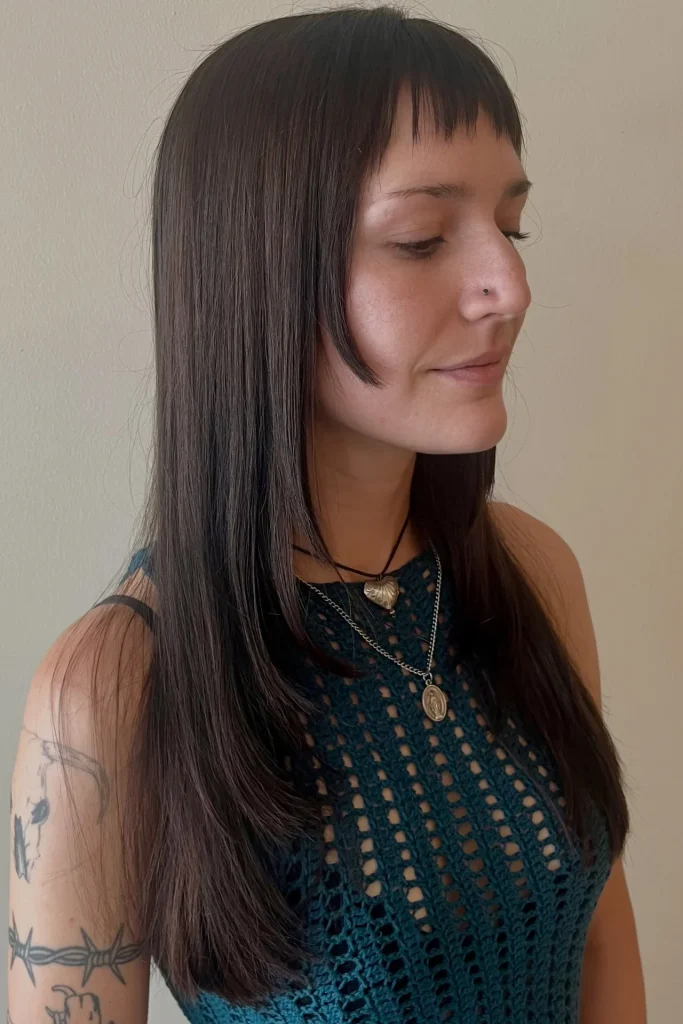
Choppy textured bangs are cut with varied lengths through the fringe, which takes weight out of thick hair and stops it from sitting like a solid helmet. They suit thick, straight, or slightly wavy hair that needs movement.
Ask for texture through the ends only, not at the roots. Texture at the roots can make thick bangs puff up, while texture at the ends keeps the shape full on top and light at the edge.
Style them by rough drying with your fingers and adding a little texture cream to the ends.
Short Micro Bangs for a Bold Frame
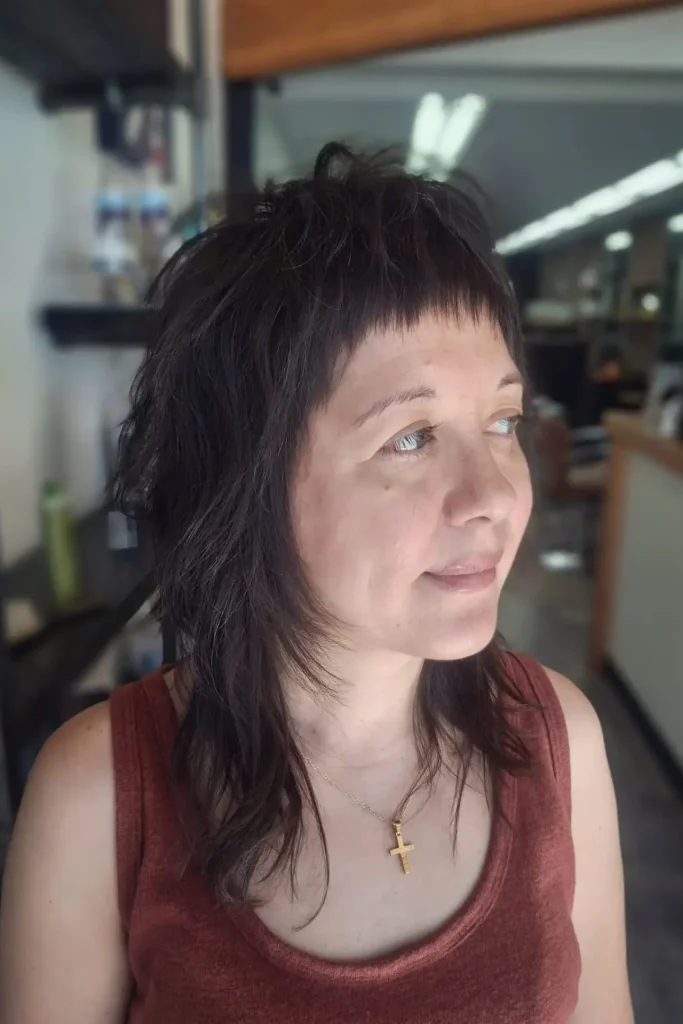
Micro bangs sit well above the brows and make a strong frame for the eyes and brows. They are a bold choice, and they suit people who like a defined look and do not mind standing out.
Ask for micro bangs only if your hair is straight or slightly wavy and you are happy with frequent trims. They grow out fast, and a micro bang that has grown half an inch no longer reads as a micro bang at all.
Keep the rest of your hair simple when you wear them, so the bangs stay the focus.
Bangs That Work With Glasses and Cowlicks

Glasses and cowlicks are the two things that most often ruin a good bang cut, and both need to be planned for in the chair, not fixed at home. A cowlick at the hairline will lift one side of any bang, and a frame that sits high can push bangs into an odd shape.
Tell your stylist where your cowlick sits and bring your glasses to the appointment. Ask them to cut the bangs with your glasses on, so the length and shape work with the frames rather than fighting them.
At home, dry the cowlick section first, pressing it flat with a small brush while it is still damp.
How to Choose Bangs for Your Face Shape and Hair Type
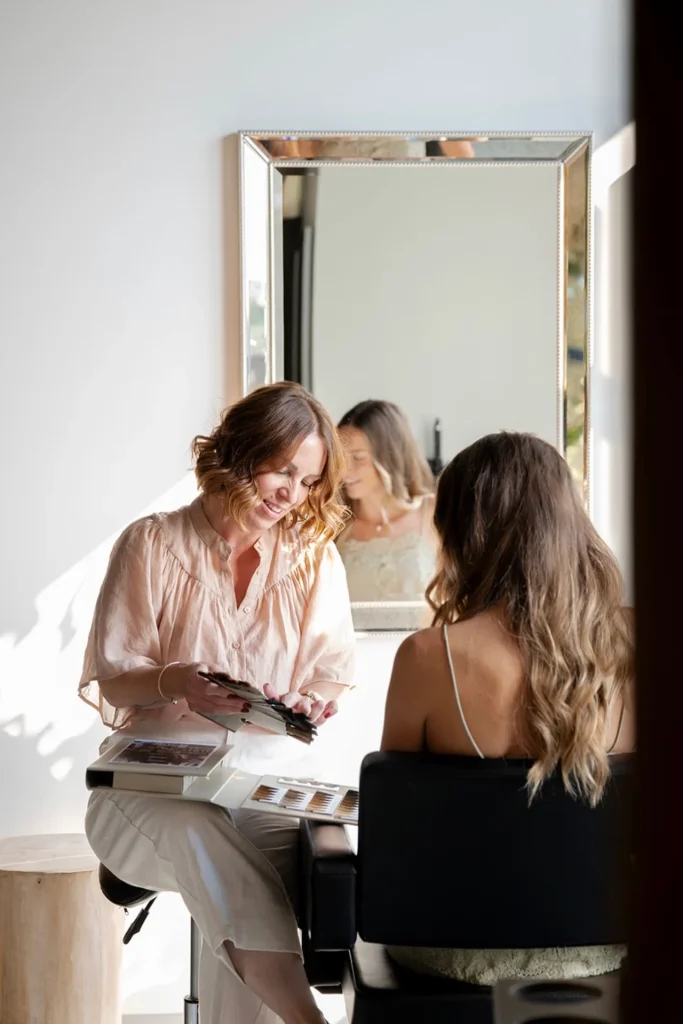
Start with your hair type, then your face shape. Fine hair suits wispy or side swept bangs, thick hair suits choppy or blunt bangs, and curly hair needs a dry cut that respects shrinkage.
Then think about your forehead and your daily routine. A high forehead can carry a fuller bang, a shorter forehead often suits a side swept or bottleneck shape, and a very low maintenance routine rules out micro bangs, which need the most trims.
If you are unsure about length or framing, read how to choose a haircut for your face shape before your appointment.
Ask about upkeep before you leave the chair. How often should you trim, what should you use at home, and how will these bangs look as they grow? Clear answers there help you avoid a bang you love for a week and regret for a month.
For daily care, keep it gentle and steady. Wash when your scalp needs it, condition the lengths, and protect hair from too much heat. You can follow a plain, step by step simple hair care routine, and dermatologists also share tips from dermatologists for healthy hair that are worth a quick read.
For rushed mornings, keep a few easy hairstyles for busy mornings in mind, so a bad bang day still ends with a style you can live with.
Quick Answers
Do bangs suit a round face?
Yes, if the shape is right. Side swept, bottleneck, and wispy bangs open up a round face better than a heavy straight across fringe, which can make the face look shorter and wider.
How often do bangs need a trim?
Most bangs look best with a trim every three to four weeks. Micro bangs may need one sooner, while side swept bangs can often stretch a little longer because they blend into the rest of the hair.
Can I have bangs with curly or wavy hair?
Yes, but they must be cut for your curl pattern, not against it. Curly bangs should be cut dry and a little longer than you think, so shrinkage does not leave them too short. For wave care, these wavy hairstyles cover how waves behave as they dry.
What should I do when my bangs are growing out?
Sweep them to the side, pin them back with a small clip, or blend them into face framing layers at your next cut. A side swept shape grows out far more gracefully than a blunt fringe, so ask for that shape if grow-out worries you.