The Long Bob, Done Right: 8 Hairstyles for Collarbone Length Hair
You sit down in the chair and say you want a change, but not a big one. You do not want to lose the ponytail, and you do not want another year of long hair that never gets shaped. That is exactly where a long bob earns its place.
A lob is not a bob that got away from you. It is a deliberate length, usually around the collarbone or just past the shoulders, with enough weight to swing and enough shape to look finished on its own.
Long bob hairstyles work because they give you options. You can wear them straight, wavy, pinned back, or tied up low, and none of those looks like a compromise. The eight versions here show how different that one length can feel.
Table of Contents
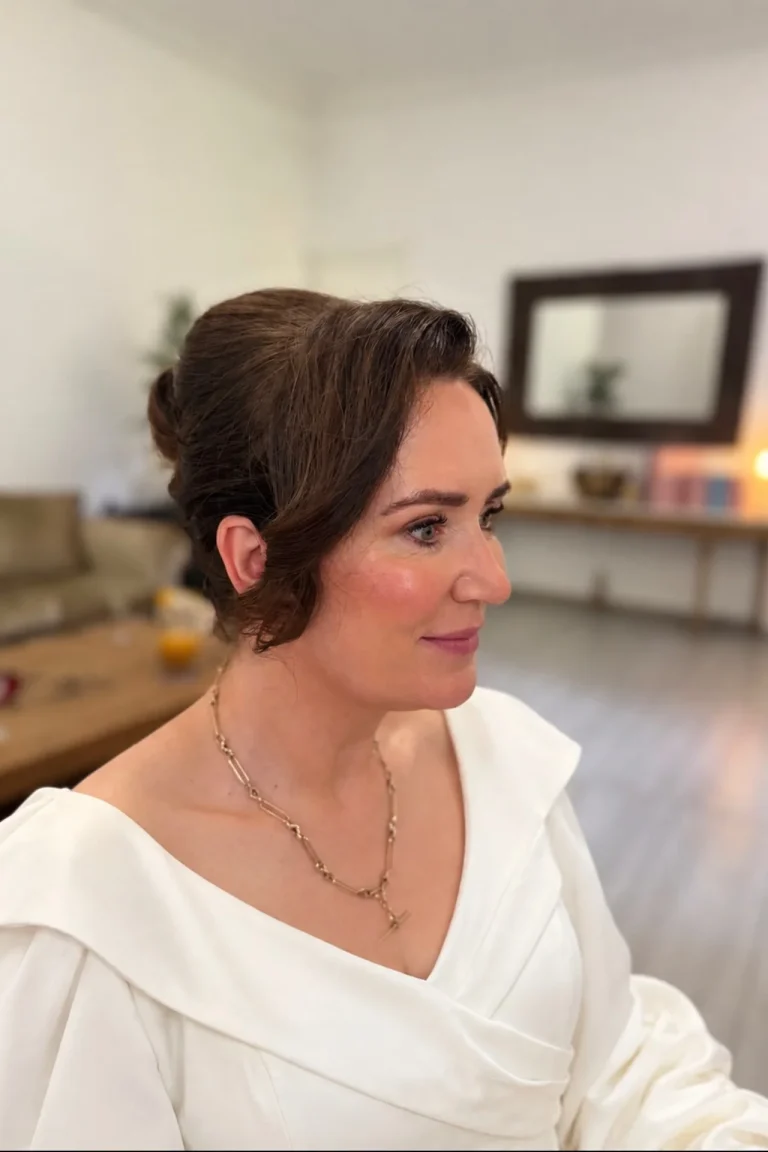
The Collarbone Lob That Sits Just Right
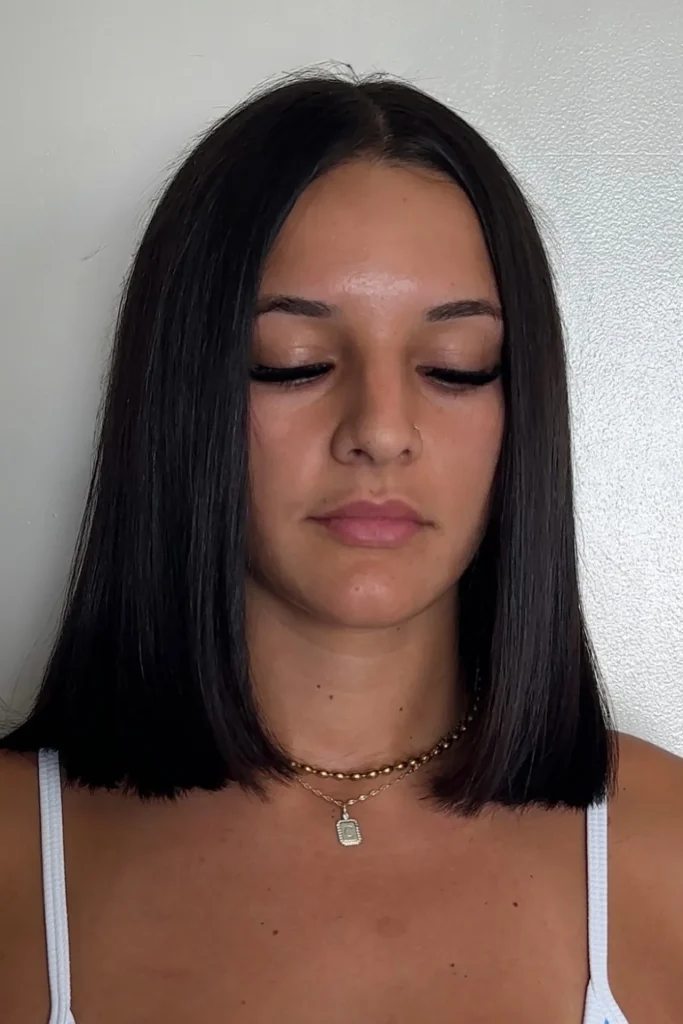
Picture the length first. Collarbone length clears your shoulders without floating up, and it frames a necklace, a collar, or a bare neckline in a clean line.
Ask for the back to sit a touch shorter than the front if you want a subtle forward angle, or keep it one length if you like a calm, even outline. Either way, the ends should be cut blunt enough to read as a shape, not as hair that simply stopped growing.
At home, dry it with a paddle brush for a smooth finish, or tuck one side behind your ear and let the other side fall forward. Both read as styled, which is half the point of a lob.
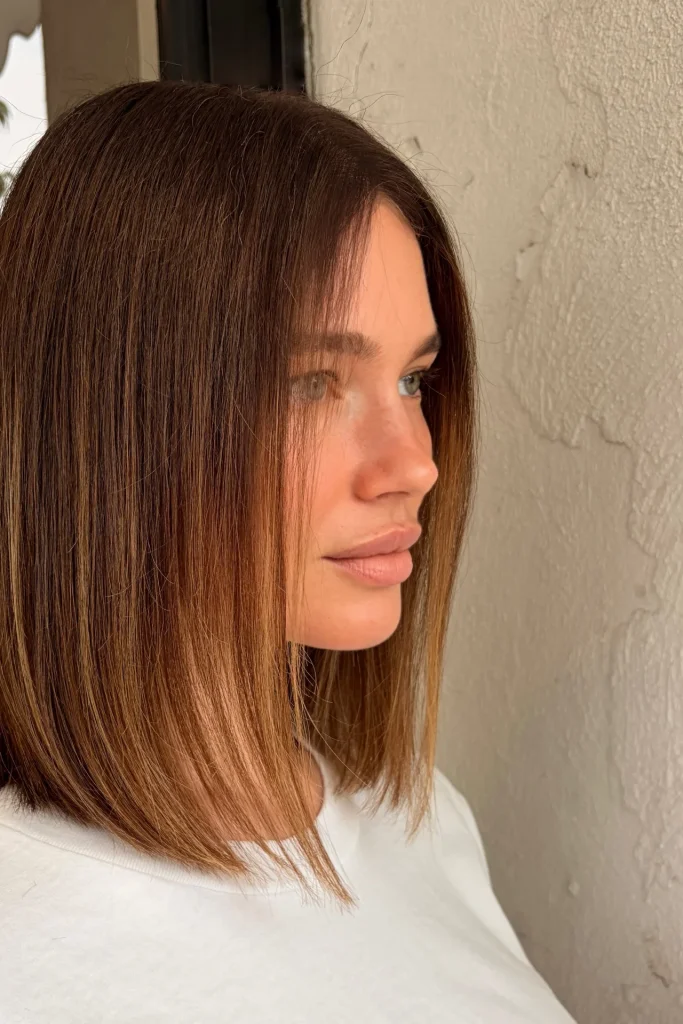
Blunt Ends, Soft Movement
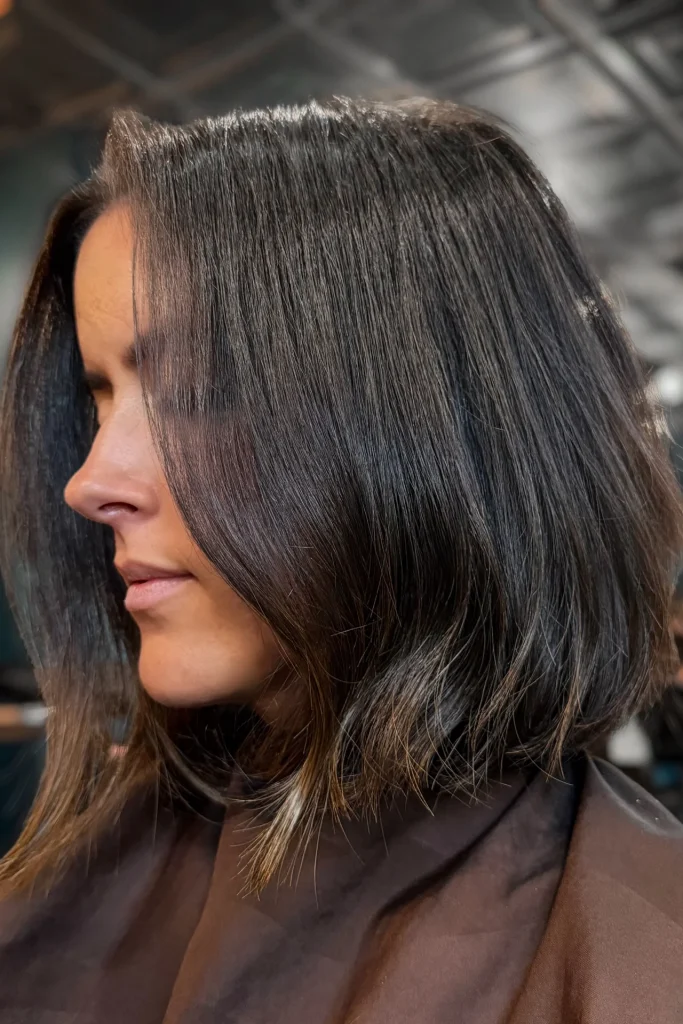
A blunt lob sounds severe, and on the wrong hair it can be. What changes it is how the ends are finished. A blunt baseline gives thickness, and a few soft, internal layers stop it from swinging like a curtain.
This version suits straight and slightly wavy hair that tends to look thin at the ends. The blunt edge makes the hair look fuller, and the soft movement keeps it from looking stiff.
Style it with a round brush and a light cream, rolling just the ends under. Skip heavy oils at the roots, since they pull a blunt lob flat by midday.
Long Bob With Face Framing Layers
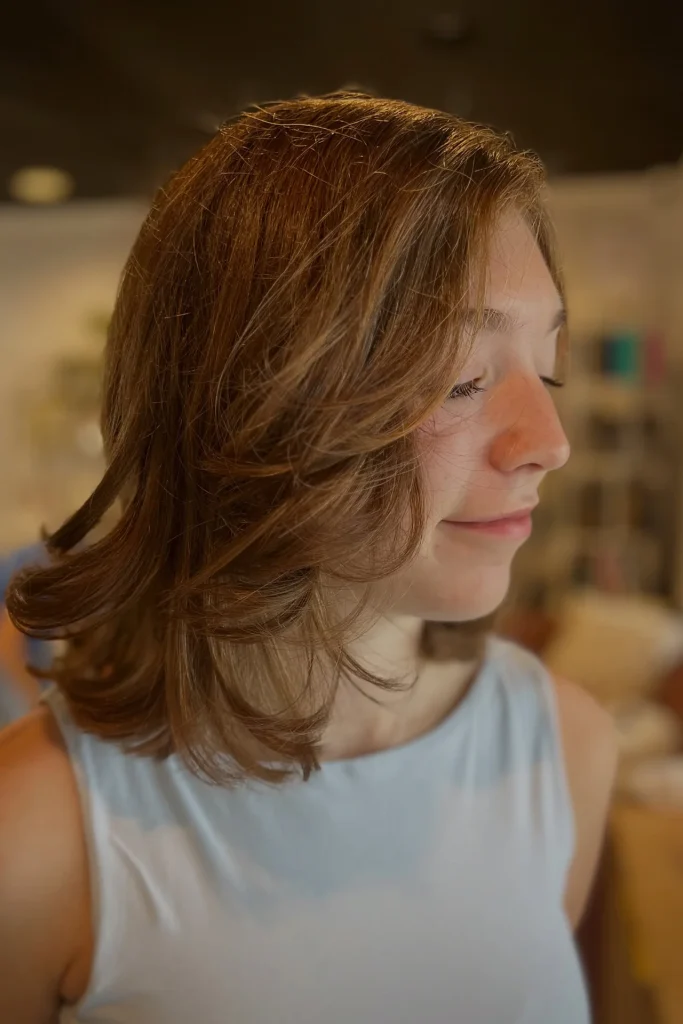
Some lobs need a little help around the face. Face framing layers start near the cheekbones and open up the front, so the cut does not hide your features behind one long panel of hair.
Bring a photo to your appointment and point to where you want the shortest layer to start. Cheekbone layers feel light and modern, while jaw length layers feel softer and more forgiving on a first lob.
They also make growing out easier, since the front keeps its shape while the back gets longer.
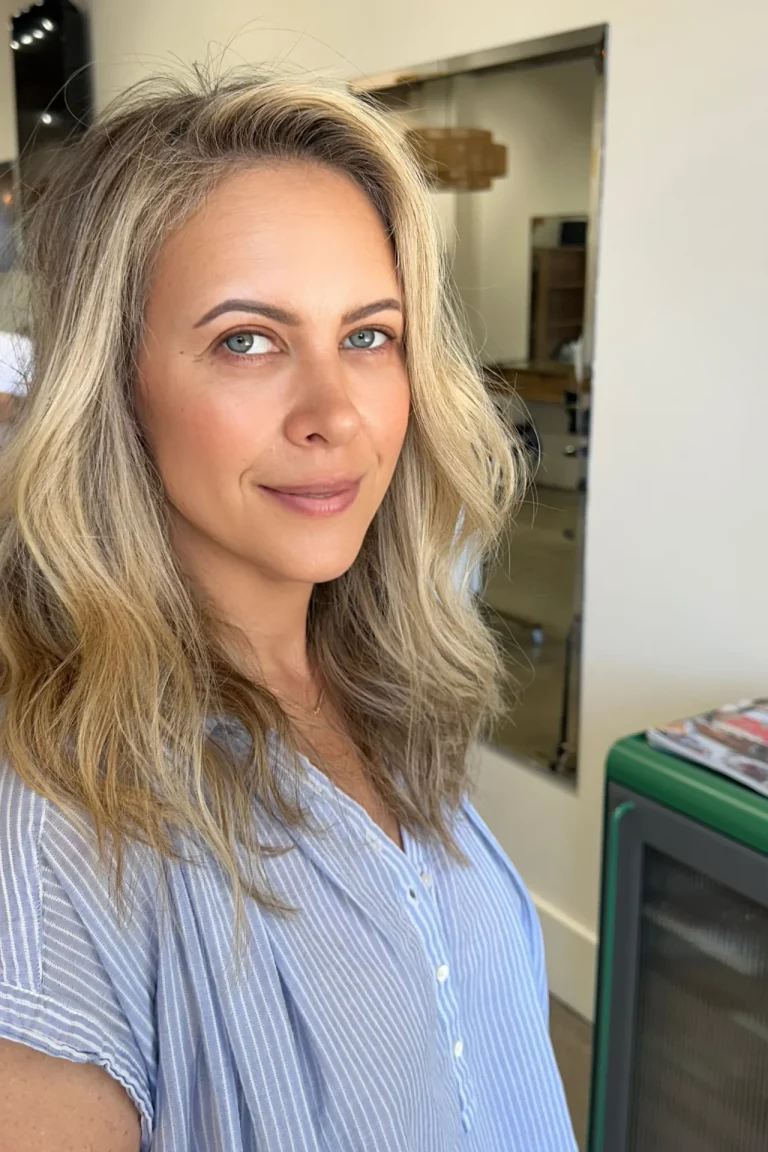
A Wavy Lob for Second Day Hair
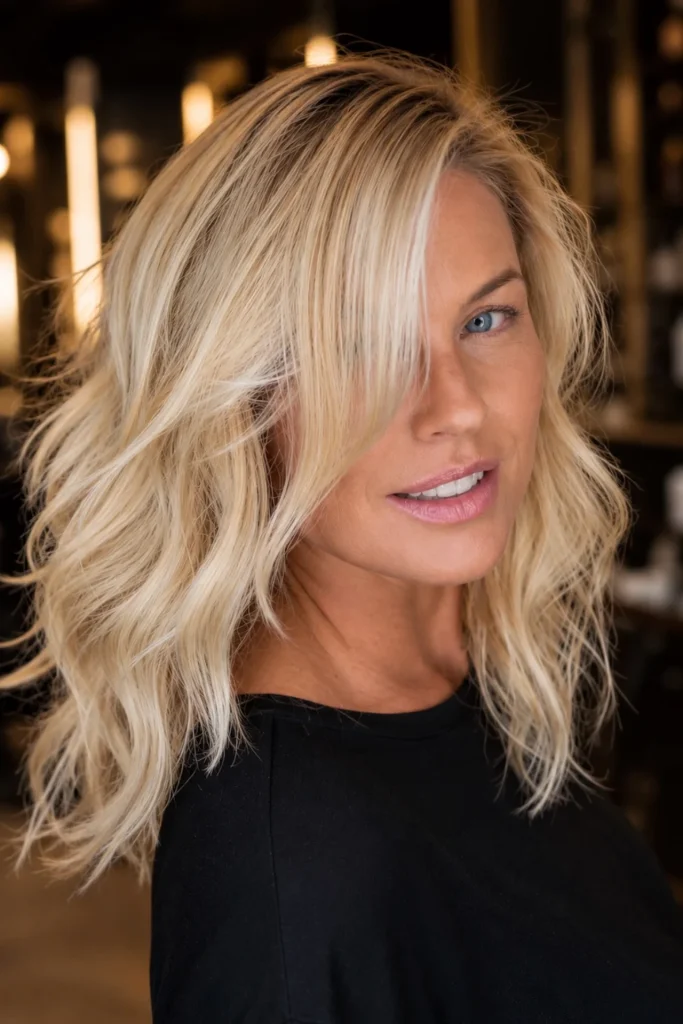
If your hair has a natural wave, a lob can be the easiest cut you own. The wave does the styling for you, and the length is short enough that it does not get weighed down.
For this version, ask for layers that follow your wave rather than fighting it. Long layers through the back keep the wave bouncy, and a slightly shorter front stops the top from going flat.
Scrunch in a light wave cream on damp hair and leave it alone while it dries. For wave care, these wavy hairstyles cover routines that match your hair type.
The Grown-Out Bob, Shaped on Purpose
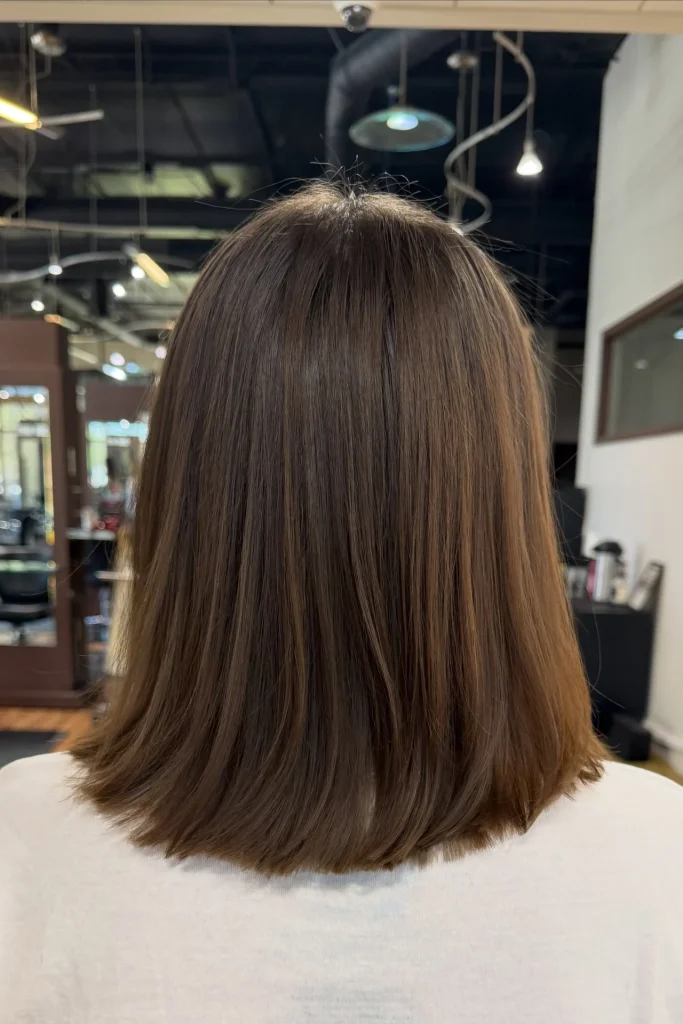
Most lobs start life as a bob that is growing out, and that stage gets a bad name for no good reason. With a reshape, the grow-out becomes a style in its own right.
Your stylist can clean up the outline, even out the back, and add a few layers where the old bob shape has gone boxy. Suddenly the in-between length looks chosen, not accidental.
This is a good moment to decide what comes next. You can hold the lob, trim it back to a shorter bob, or keep growing with regular shaping.
Curly Lob: Length You Can Still See
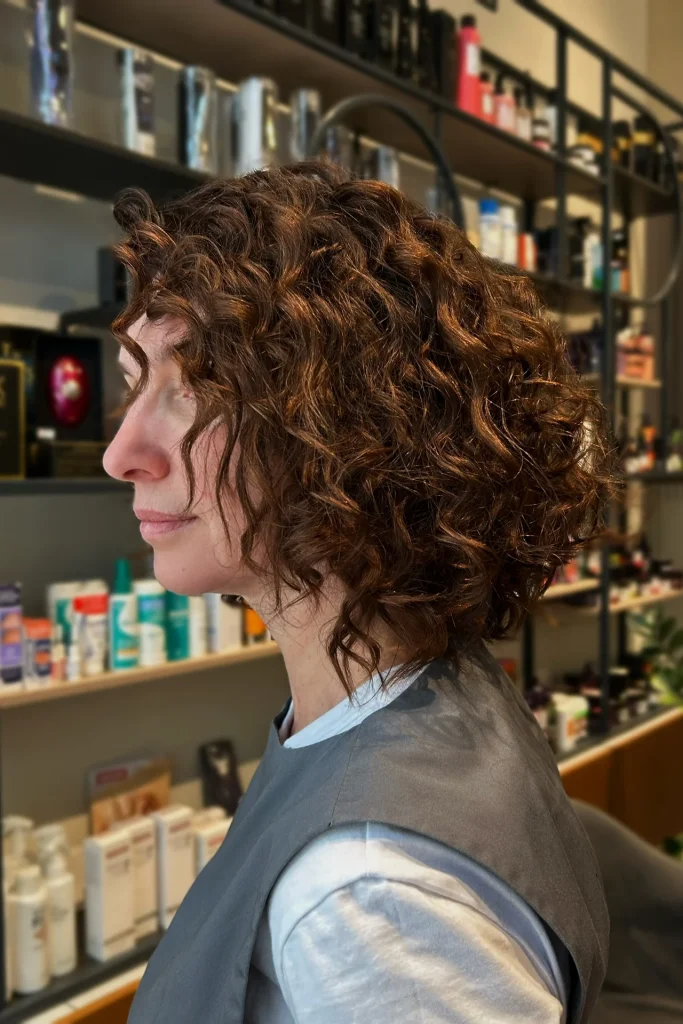
A curly lob is a different cut from a straight lob, because curls shrink as they dry. The length you see in the chair is not the length you will see at home, and a good stylist plans for that.
Ask for a dry cut, or at least for the length to be left longer than your target. The curls should be shaped one by one, so the outline stays even when the curl pattern changes from day to day.
At home, use a curl cream on soaking wet hair and let it dry without touching it. That room keeps the shape from turning into a triangle.
Sleek Lob for Work Days
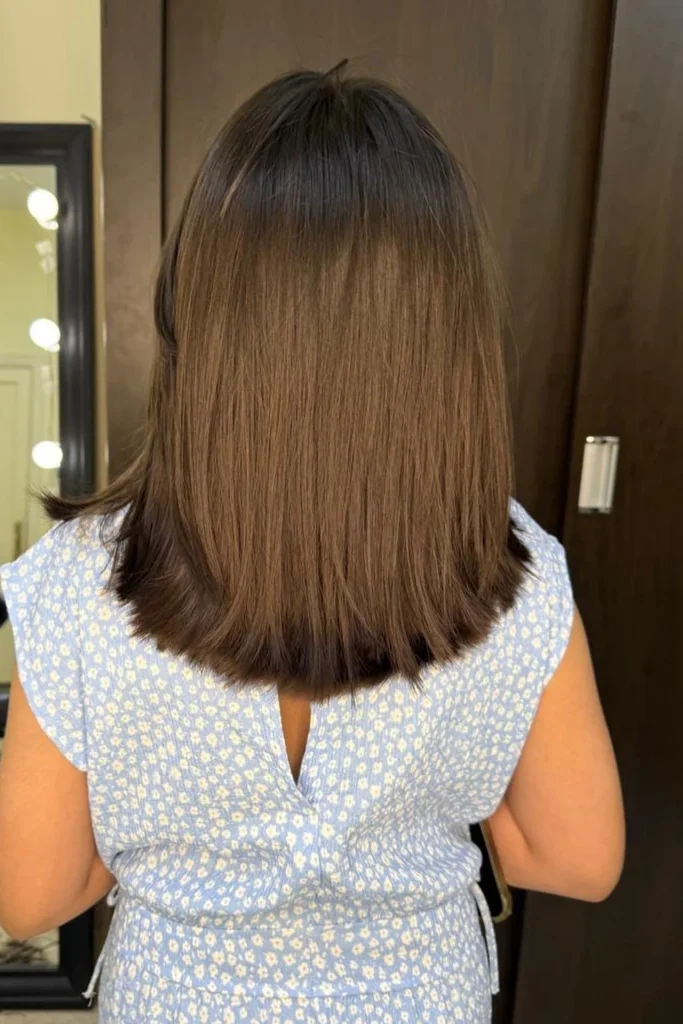
Some days you want hair that looks neat without a lot of effort. A sleek lob does that job well, because the length is long enough to smooth and short enough to control.
Start with a smoothing cream on damp hair, dry it in sections with a paddle brush, and finish with a flat iron only on the outline and the front.
Pair it with a low bun or a half-up style on busy days, and the same cut still reads as polished. Keep a few easy hairstyles for busy mornings in mind, so a rushed morning does not undo a good cut.
Textured Lob With Air-Dried Ends
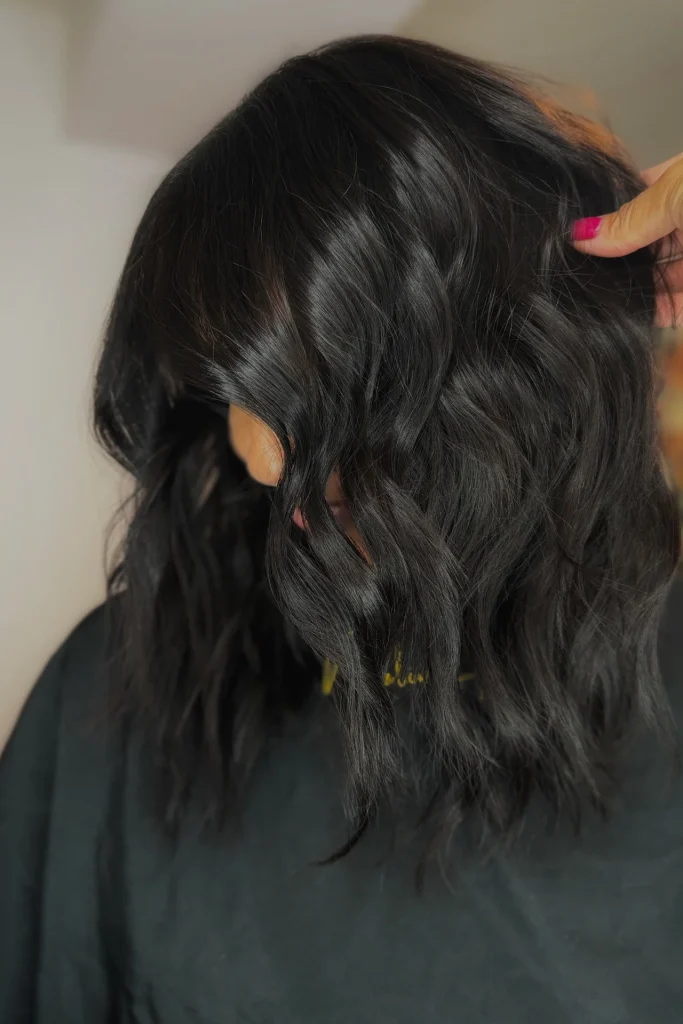
Not every lob needs a blow dry. A textured lob is cut with movement built in, so it looks good when it dries on its own.
Ask for texture through the ends and the mid lengths, not at the roots. Texture at the roots can make a lob puff up, while texture lower down gives it that lived-in, piecey finish.
Wash it, add a little texture cream or salt spray, and let it air dry. It suits thick hair well, since texture removes weight without removing length.
Picking Your Lob Length: Collarbone, Shoulder, or Just Past?
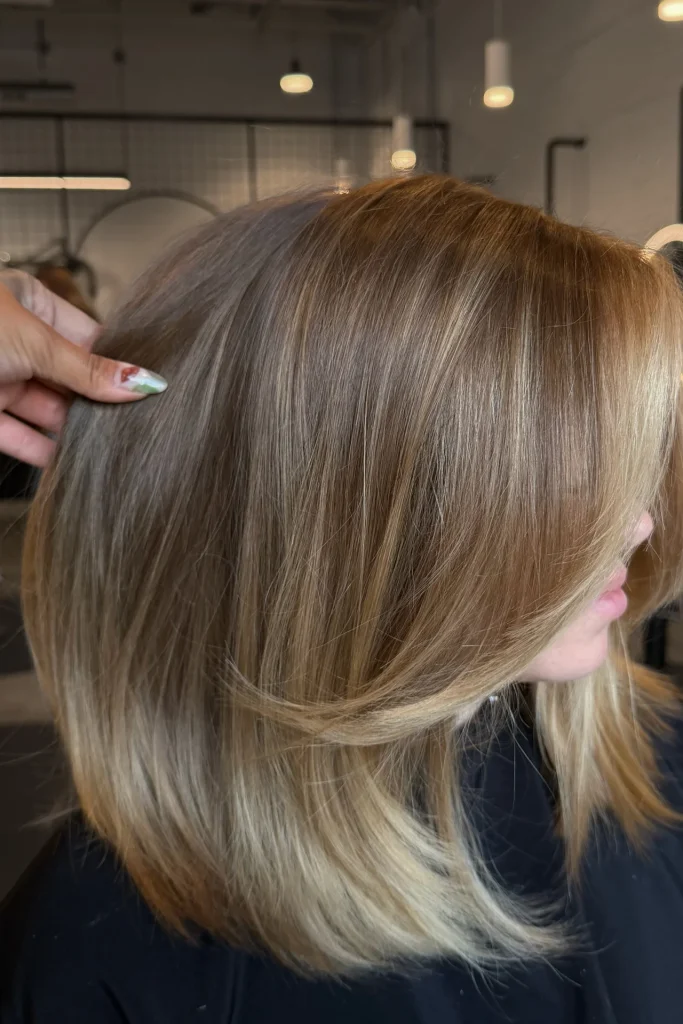
Length changes everything about a lob, so choose it before you choose the layers. That is the appeal of long bob hairstyles: one length, many ways to wear it. Collarbone length feels light and modern, shoulder length feels classic and easy to tie up, and just past the shoulders feels closest to long hair.
Think about your neck, your shoulders, and how you wear your hair most days. If you tie it up often, shoulder length or longer will be kinder to you. If you mostly wear it down, collarbone length gives the most shape.
Your face shape matters too. A shorter lob opens up the neck and jaw, while a longer lob softens a strong jawline. If you are unsure, read how to choose a haircut for your face shape before your appointment and bring your questions with you.
A lob also pairs well with a fringe, if you want one. Shorter bangs give a sharper frame, while side swept bangs keep the look soft. You can see how the two work together in these bangs hairstyles.
For upkeep, keep the routine simple. Wash when your scalp needs it, condition the lengths, and protect hair from too much heat. A plain, step by step simple hair care routine covers the basics, and dermatologists also share tips from dermatologists for healthy hair that are worth a quick read.
A shorter bob is a different commitment, and it helps to know the difference before you book. These bob hairstyles show where a classic bob ends and a lob begins, so you can point to the length you actually want.
Quick Answers
Is a long bob the same as long layers?
No, though they can look similar from behind. A lob has a defined baseline and a clear length, usually around the collarbone or shoulders, while long layers are about movement through much longer hair. A lob reads as a shape, not just as long hair with layers.
How often does a lob need a trim?
Most lobs look best with a trim every eight to ten weeks. That keeps the baseline clean without losing length too fast. If you are growing it out on purpose, a shaping visit in between still helps, since it stops the outline from going boxy.
Can I tie up a long bob?
Yes, at shoulder length and longer. A collarbone lob will usually manage a low ponytail or a loose low bun, though a few shorter front pieces may slip out. Those loose pieces are normal, and a couple of pins will hold them without ruining the look.
Will a lob suit fine hair?
Yes, if the ends stay blunt. A blunt baseline makes fine hair look thicker, while too many layers can thin it out. Ask for soft internal movement rather than heavy layering, and keep the length at the collarbone or above for the fullest finish.