Wavy Hairstyles: 8 Ideas for Waves That Frizz, Fall Flat, or Won’t Hold
Wavy hair has a mind of its own, and that is part of its charm. It bends, it lifts, it falls a little differently on each side, and no two wash days look quite the same.
The best wavy hairstyles do not try to iron that movement out. They give the wave room to form, keep the ends healthy, and use layers in the right places so the shape holds from morning to evening.
That starts with knowing your wave. Some waves are loose and barely bend, some form clear S shapes, and some sit close to curly and need more moisture.
These eight looks cover that range. Each one notes who it suits best, what to ask for, and how to style it without a long routine.
Table of Contents
Soft Shoulder Length Waves with Blunt Ends
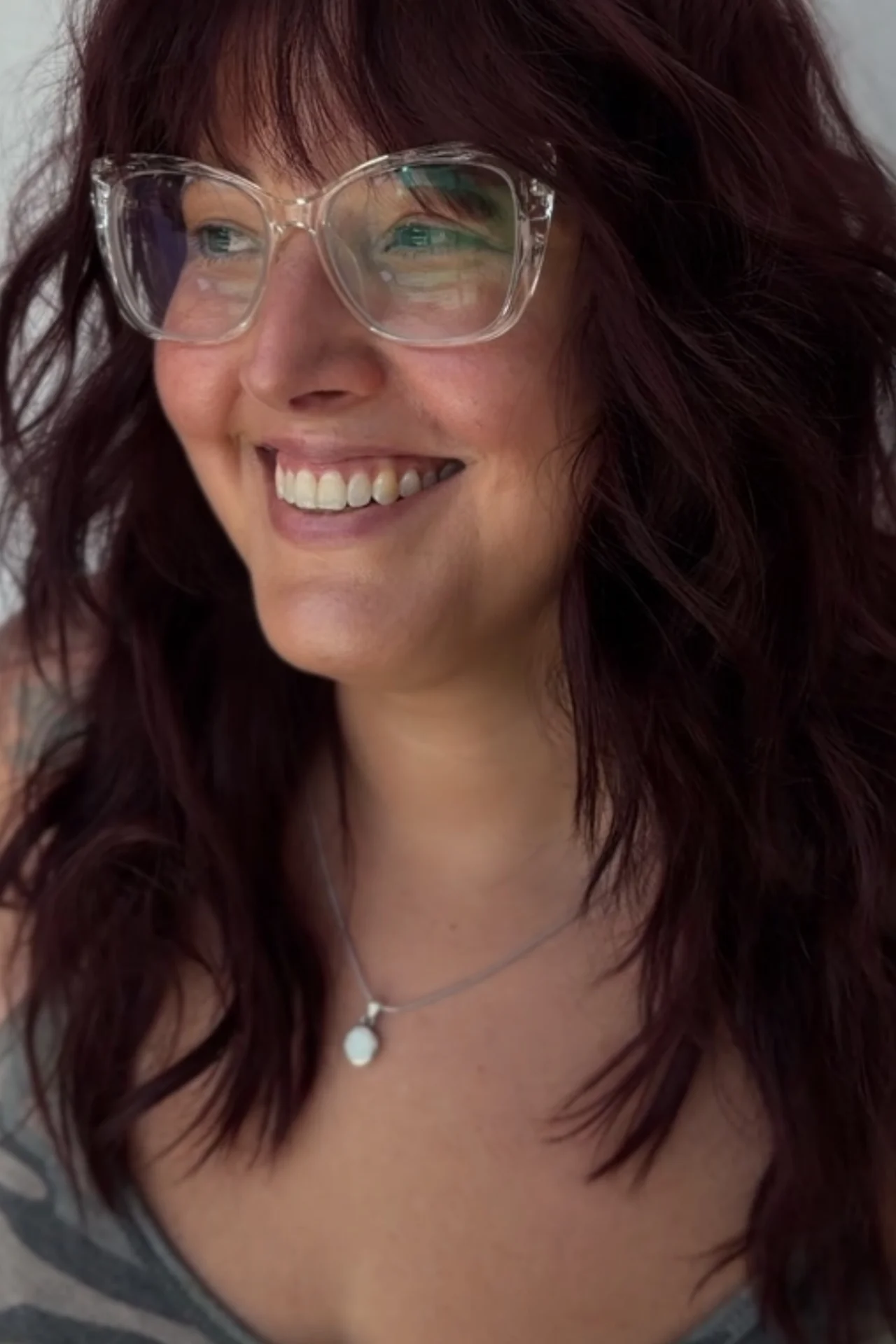
Shoulder length waves with blunt ends look full without looking heavy. The blunt edge gives the wave a clear finish, while the length keeps enough weight to stop the sides from puffing out.
This suits loose to medium waves best, especially if your hair is fine or medium in thickness. Ask for a straight, blunt baseline with only very light shaping around the face, so the wave stays even on both sides.
Style it by scrunching in a light cream while hair is damp, then letting it dry most of the way before you touch it.
Long Layers That Keep Waves Even
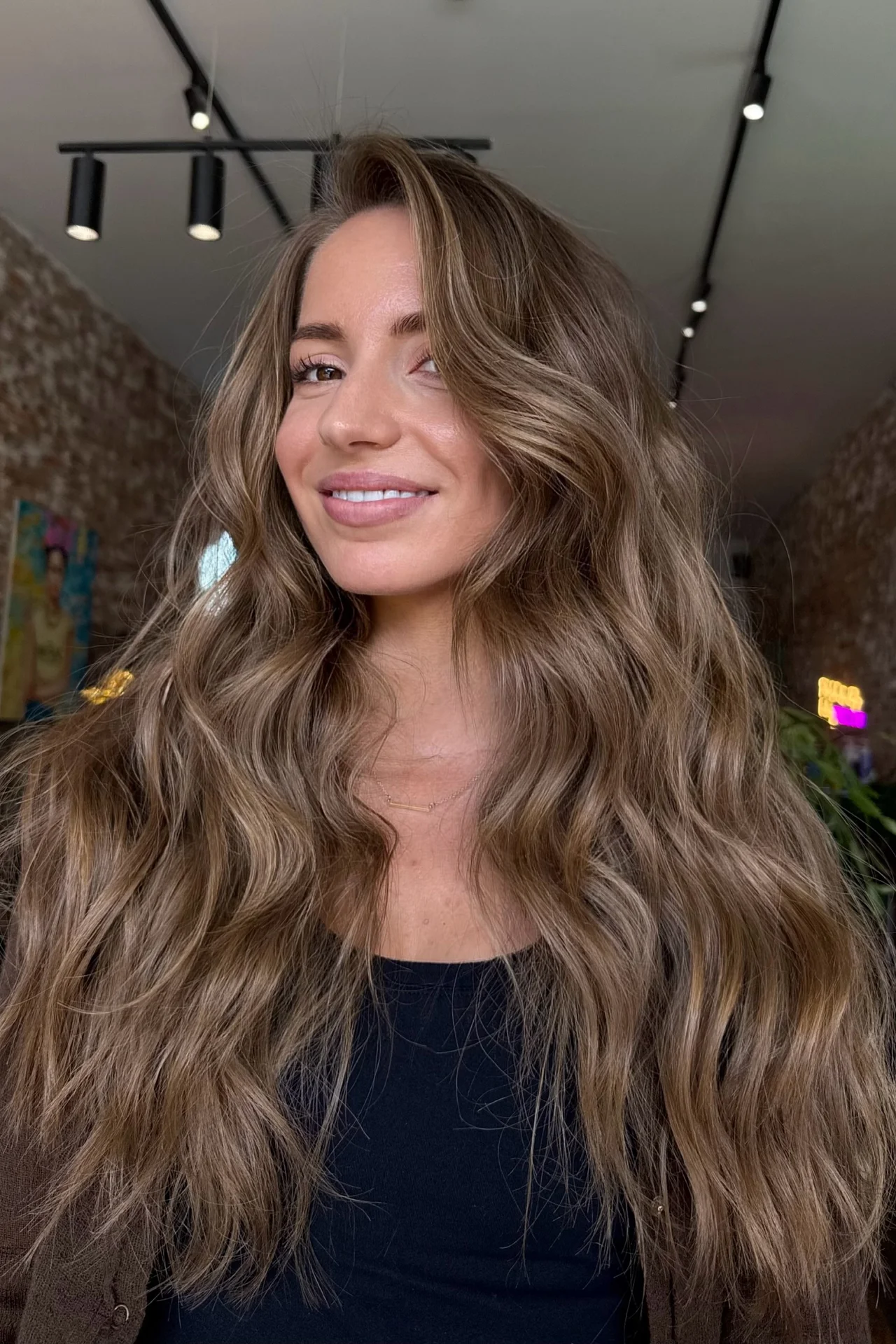
Long layers help waves when they are placed with care. Layers that are too short can make the top puff up while the ends go thin, but long, blended layers keep the wave pattern even from roots to ends.
Ask for layers that start below the chin and blend down gradually. That keeps length and weight where you need them, and it lets each wave form without being chopped into separate pieces.
Dry it with a diffuser on low heat, or let it air dry and smooth only the very top layer once it is dry.
Wavy Lob with a Deep Side Part
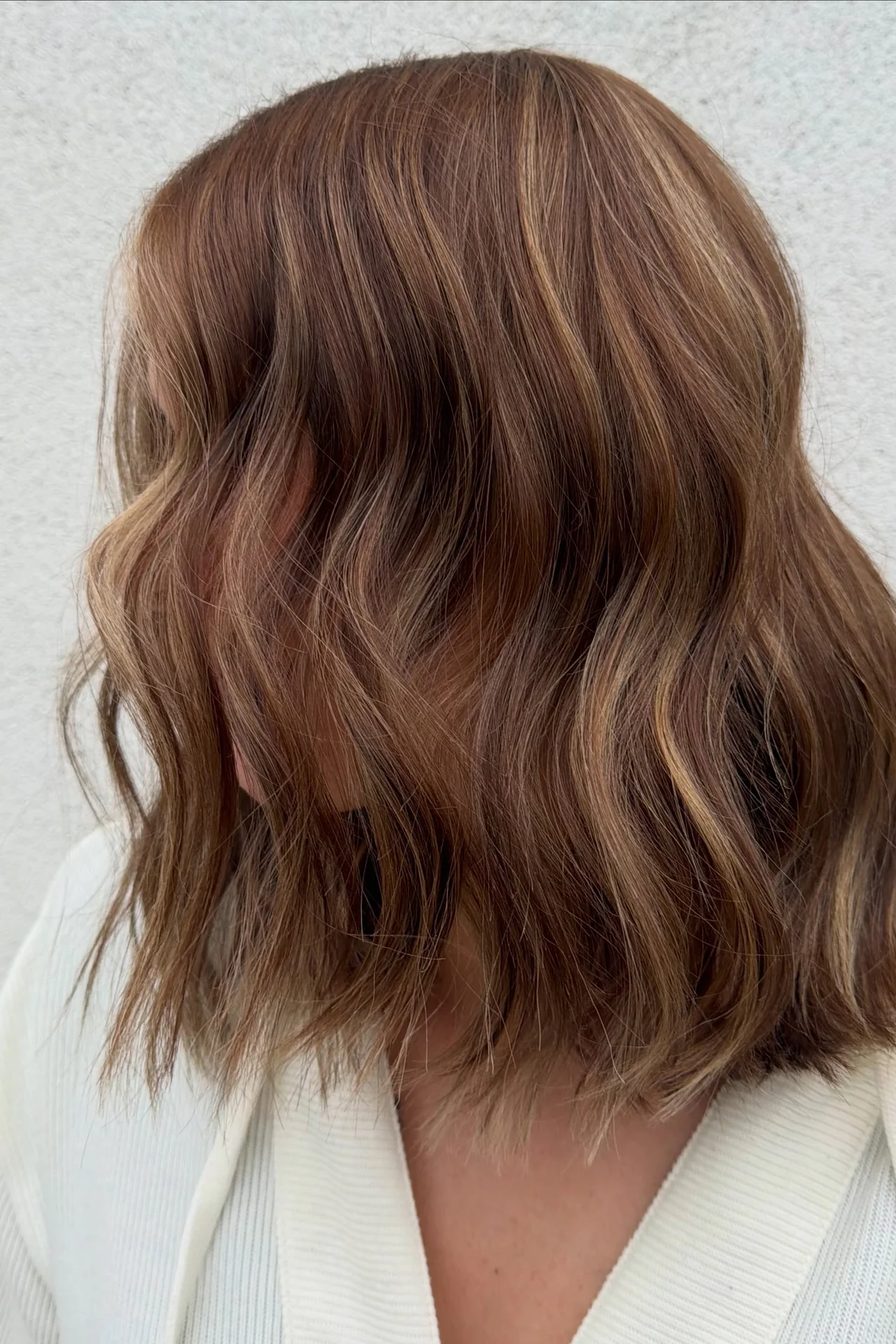
A wavy lob sits around the collarbone, and a deep side part gives it instant lift at the roots. The part changes how the wave falls, so hair looks fuller on one side and softer on the other.
If you love the neatness of a shorter cut but still want to tie hair back, this is a useful middle ground. You can compare the shorter shape in these bob hairstyles before you decide how much length to keep.
Ask your stylist to cut the lob with the part in mind, so the longer side has enough weight to wave nicely.
Defined Waves with a Soft Gel Cast
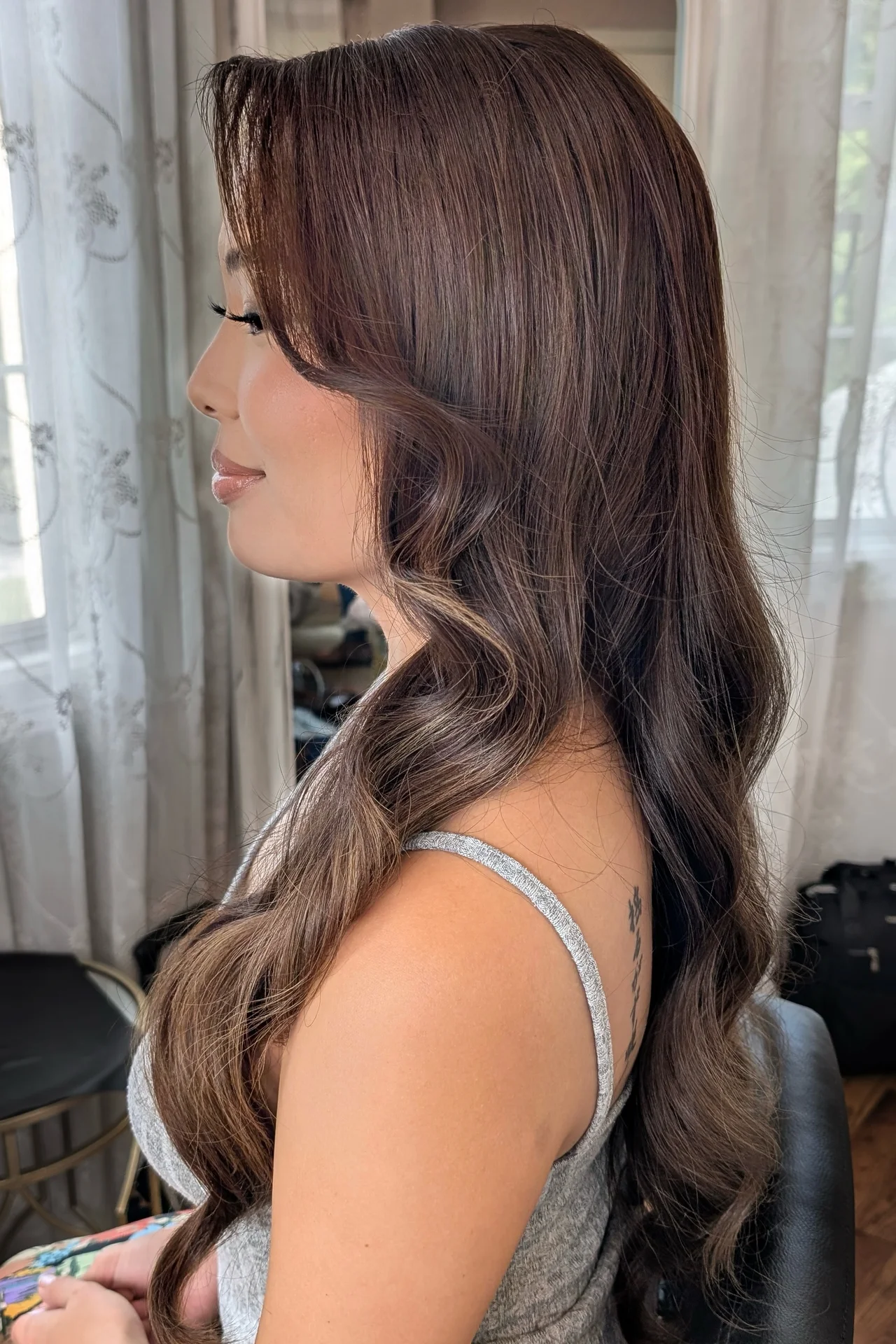
A gel cast sounds stiff, but a soft one is just a light hold that helps waves dry in shape. You scrunch gel through damp hair, let it dry until it feels slightly crisp, then scrunch out that crisp feeling with dry hands or a little oil.
The result is waves that hold their shape longer, with less frizz as the day goes on. This suits medium to strong waves best, and it works well on humid days when looser styling falls flat.
Use less product than you think you need at first. Too much gel can weigh waves down, while a small amount, spread evenly through damp hair, gives definition without stiffness.
Loose Waves with Face Framing Layers
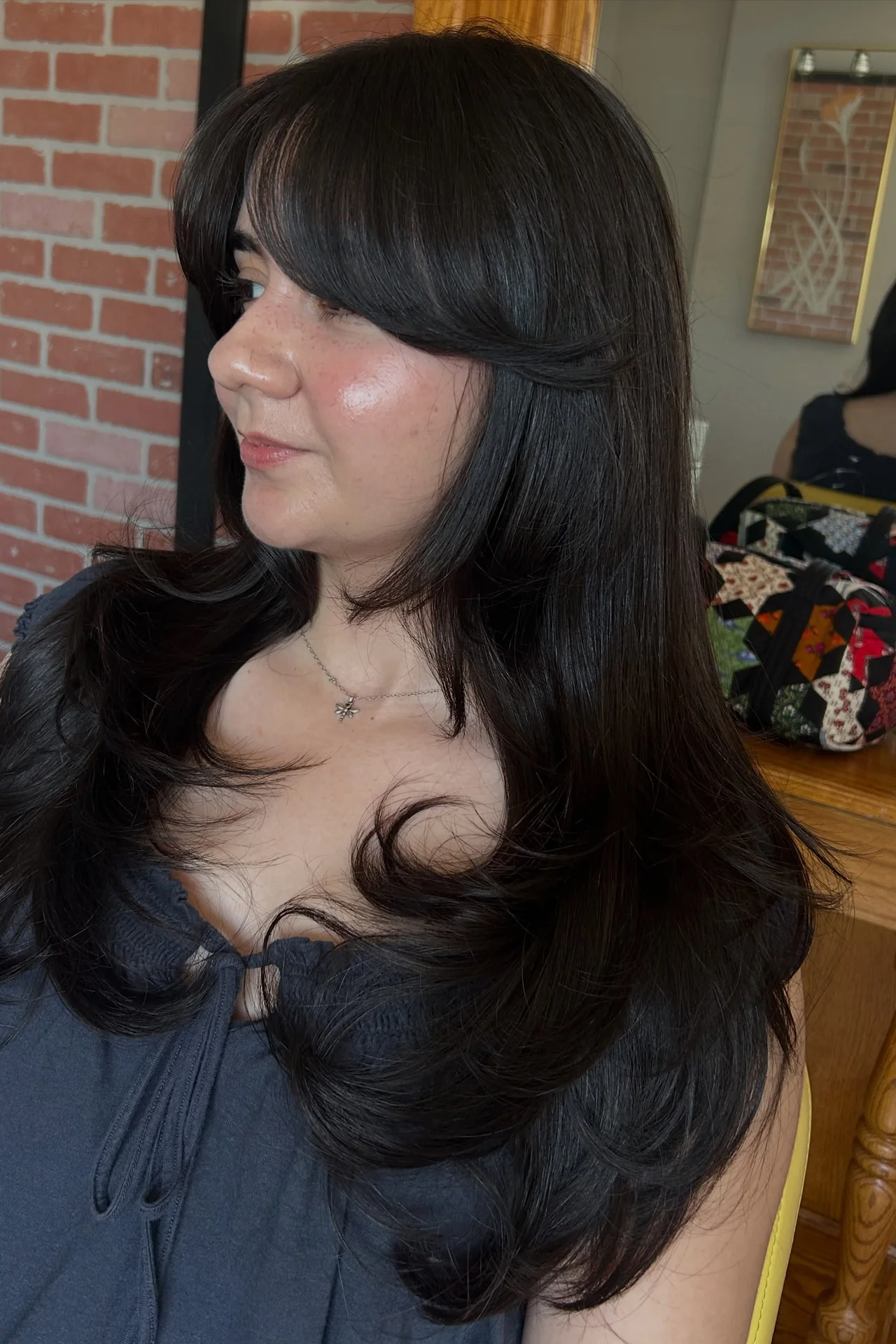
Face framing layers are short pieces around the face that blend into longer lengths. On wavy hair, they open up the face and stop the wave from hiding your features, without taking length away from the rest of the cut.
Ask for framing that starts around the cheekbone and blends down, with the shortest piece still long enough to wave. If the framing is cut too short, it can spring up and sit apart from the rest of the hair.
Style the framing pieces first while they are damp, twisting each one away from your face.
Wavy Shag with Light Layers
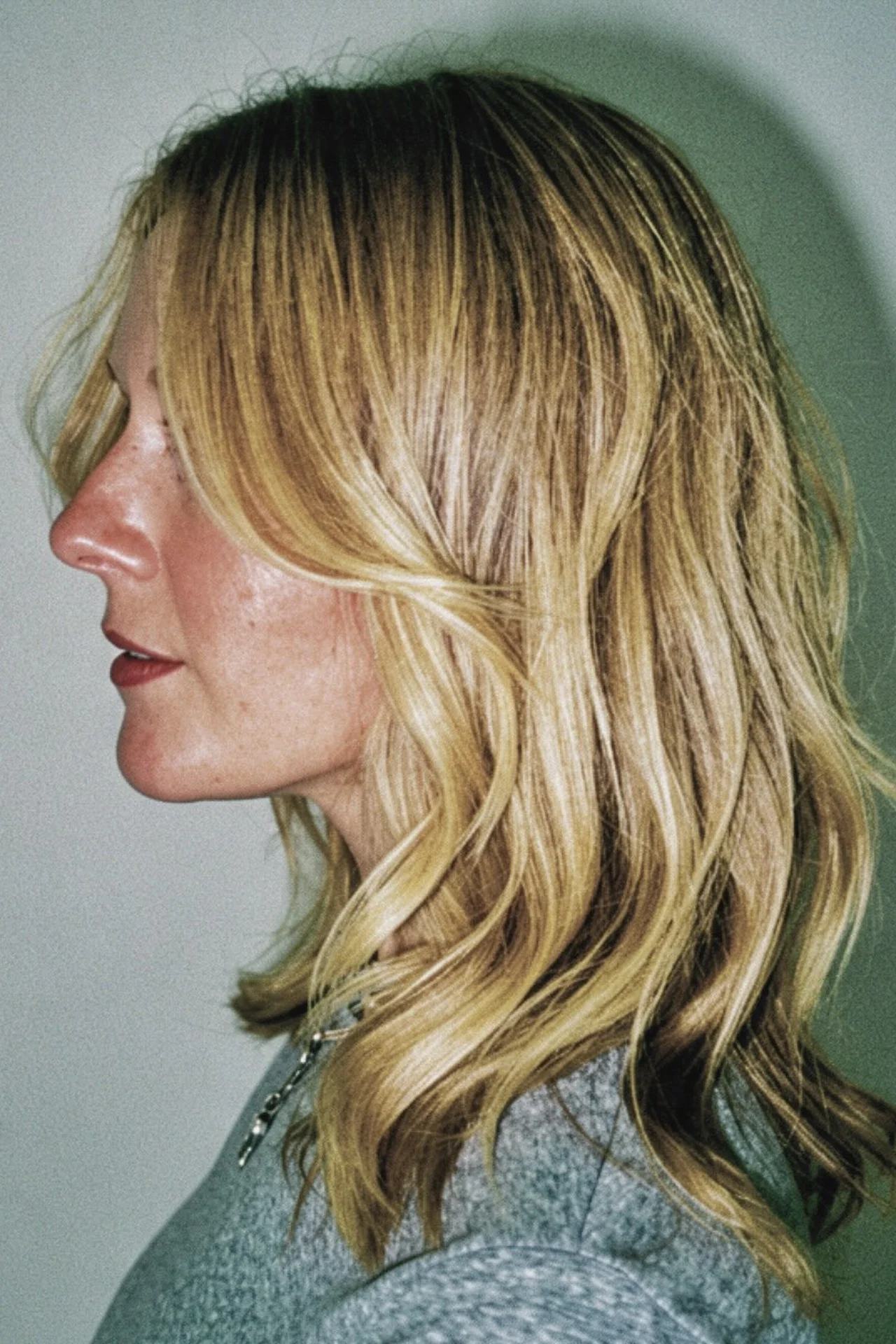
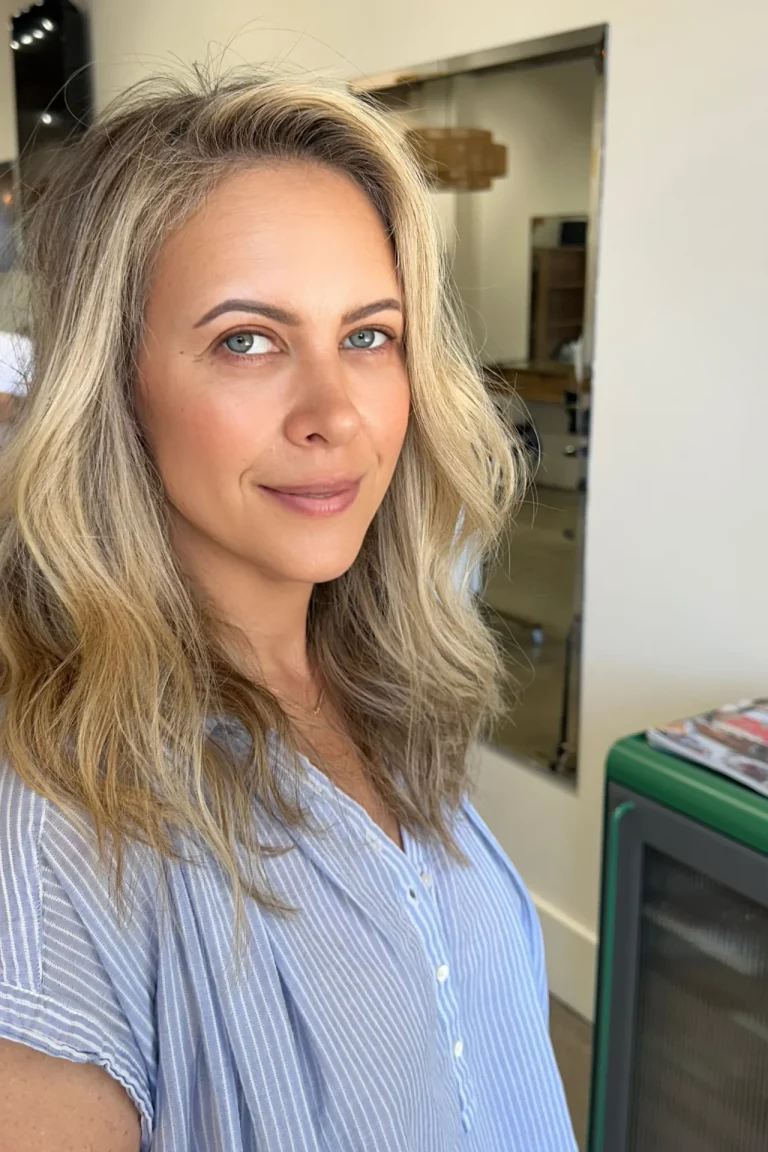
A wavy shag uses light layers through the lengths to bring out movement and texture. It is a relaxed cut, with more shape on top and softer, piecey ends, and it suits waves that already have natural body.
Ask for layers that are blended, not choppy, and keep the ends fairly full. A shag that is cut too thin at the ends can look wispy on wavy hair, while a fuller finish keeps the wave looking healthy.
Scrunch in a light mousse or cream, then diffuse or air dry. This is a good choice if you like a lived in finish and do not want a precise, polished style every day.
Half Up Waves for Second Day Texture
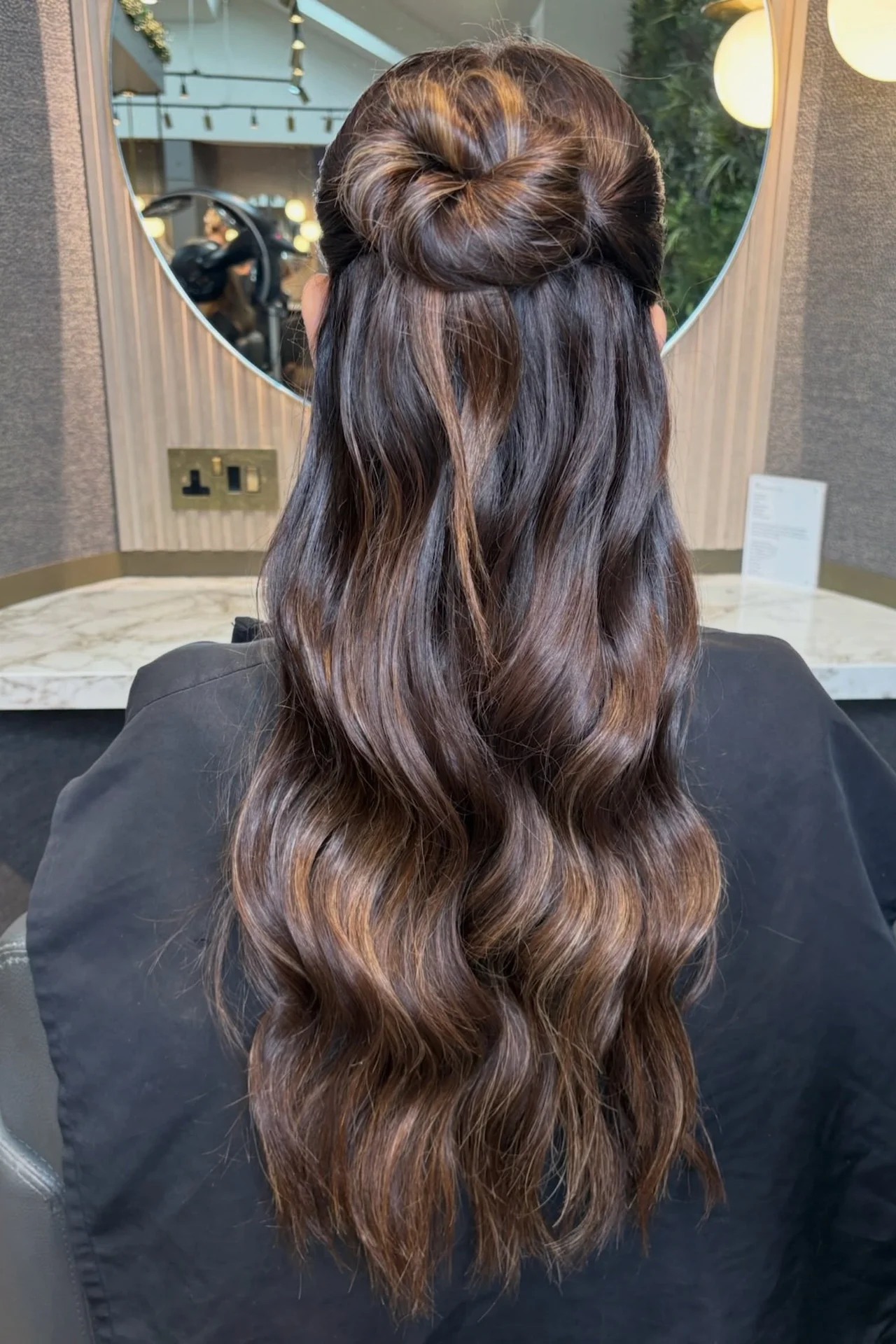
Half up waves are a kind way to handle second day hair. You pull back the top section, which is often where oil and flatness show first, and you leave the lower waves free to do their thing.
Gather the top section from above each ear, twist it loosely, and pin it at the back of your head.
Refresh the lower waves with a little water and a dab of cream, scrunching gently. For more rushed morning ideas, keep a few easy hairstyles for busy mornings in mind, so a second day still ends with a style you like.
Overnight Waves Without Heat
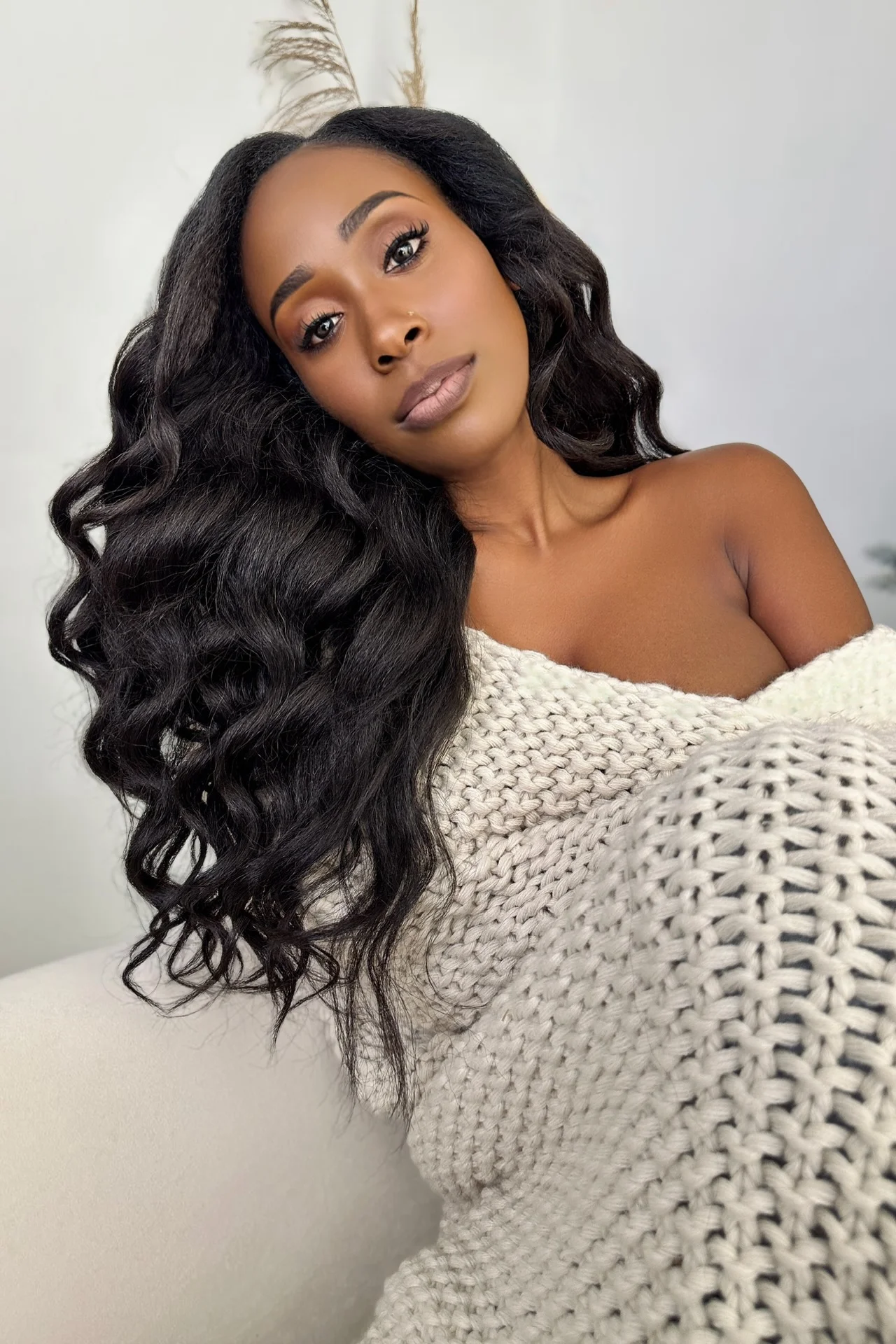
Overnight waves suit days when you want shape without heat styling in the morning. Start with hair that is slightly damp, not wet, and use a method that does not pull or crease the wave.
Try two loose braids, or twist hair into two soft buns on top of your head, and sleep on a smooth pillowcase. In the morning, undo the braids or buns, shake the waves out gently, and scrunch in a little cream.
If the waves come out too tight, brush through them lightly with your fingers, not a brush, until they soften. If they come out too loose, twist a few front pieces and let them set for ten minutes while you get ready.
How to Choose a Wavy Cut for Your Wave Type
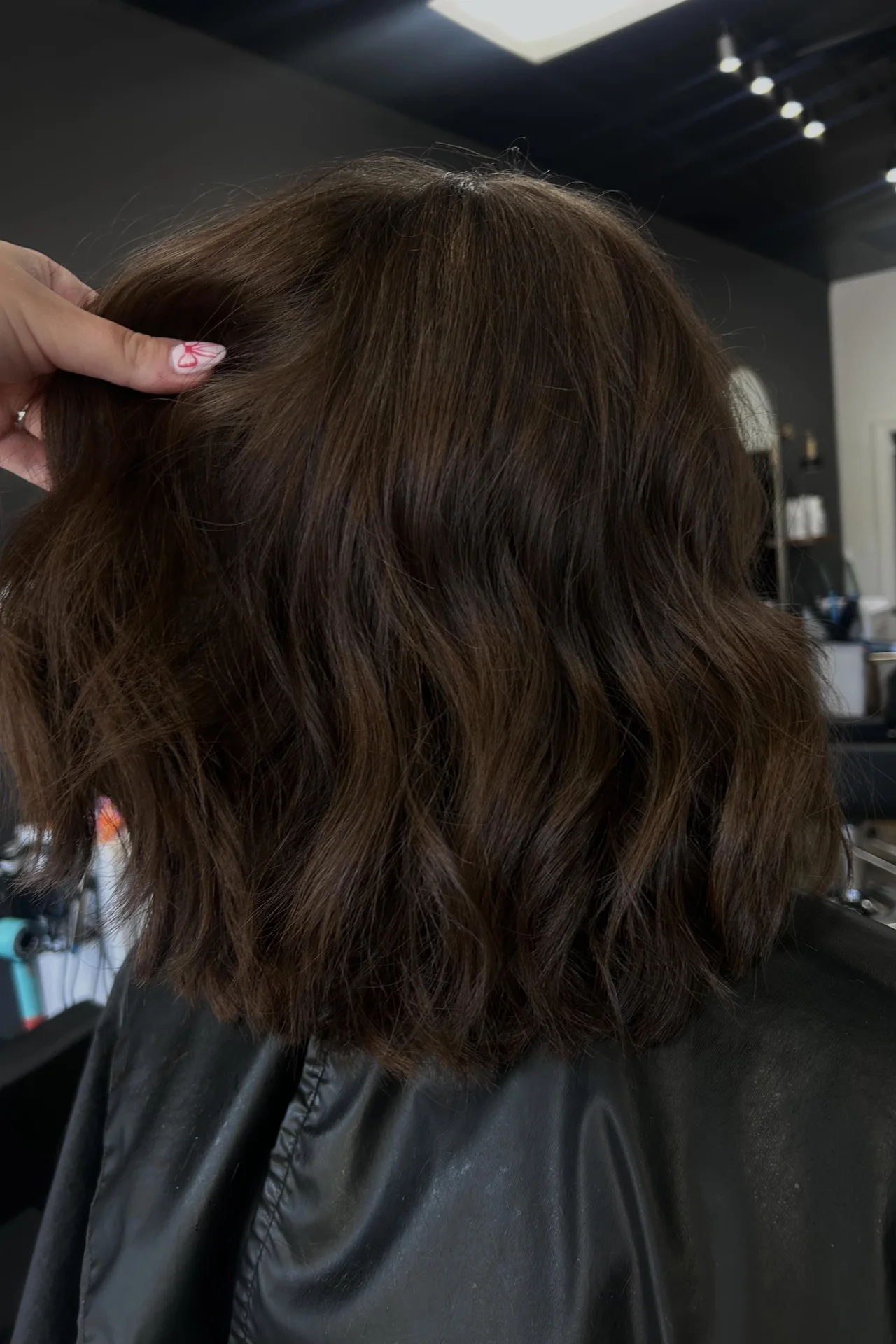
Start with your wave pattern. Loose waves that barely bend need weight and blunt ends to look full. Medium waves with clear S shapes suit long layers and face framing. Strong waves close to curly need moisture, longer layers, and less thinning, so the shape stays even.
Then think about thickness. Fine wavy hair looks fuller with blunt ends and fewer layers. Thick wavy hair needs longer layers to take out bulk without making the ends thin. Ask your stylist how they will handle bulk, since thinning shears can create frizz on waves if they are used too much.
Face shape matters too, but it should not override your wave. If you are unsure about length or framing, read how to choose a haircut for your face shape before your appointment, and bring photos of waves you like at your own thickness and length.
Care matters as much as the cut. Wash when your scalp needs it, condition the lengths well, and protect hair from too much heat. You can follow a plain, step by step simple hair care routine, and dermatologists also share tips from dermatologists for healthy hair that are worth a quick read. If you want lighter pieces through your waves, compare the options in this clear look at balayage and highlights before you book colour.
Quick Answers
How do I know my wave type?
Let hair air dry with no product and no brushing, then look at the shape. Loose waves bend gently, medium waves form clear S shapes, and strong waves sit close to curly with more volume. Your wave type helps you choose layers, products, and how much moisture your hair needs.
Why does my wavy hair go frizzy?
Frizz often comes from brushing dry waves, using too much heat, or skipping conditioner on the lengths. Try finger combing only, scrunching product through damp hair, and letting waves dry mostly untouched. A trim also helps, since split ends catch and frizz more easily.
Should I brush wavy hair?
Brush it only when it is wet and coated with conditioner, using a wide tooth comb or your fingers. Brushing dry waves breaks the wave pattern apart and turns defined waves into fluff. If you need to refresh dry hair, use damp hands and a little cream instead.
How often should I wash wavy hair?
Most wavy hair does well washed every two to three days, with a refresh in between using water and a little product. Wash sooner if your scalp feels oily or itchy, and wash less often if your waves feel dry. Your scalp, not a fixed schedule, should guide you.