You have probably saved a dozen pixie photos by now. Some look effortless, some look bold, and a few make you wonder if short hair could ever suit you. That saved folder is usually the start of the decision, not the end of it.
A pixie is not one cut. It is a whole family of short cuts, and the difference between a pixie you love and a pixie you regret is usually the detail: how much length stays on top, how neat the back is, and how much work you want to do in the morning.
Pixie haircuts can still show your face, your texture, and your own taste. They just do it with less hair to hide behind. The eight versions here are for different hair types and different comfort levels with short hair.
Table of Contents
Soft Pixie With Longer Pieces on Top
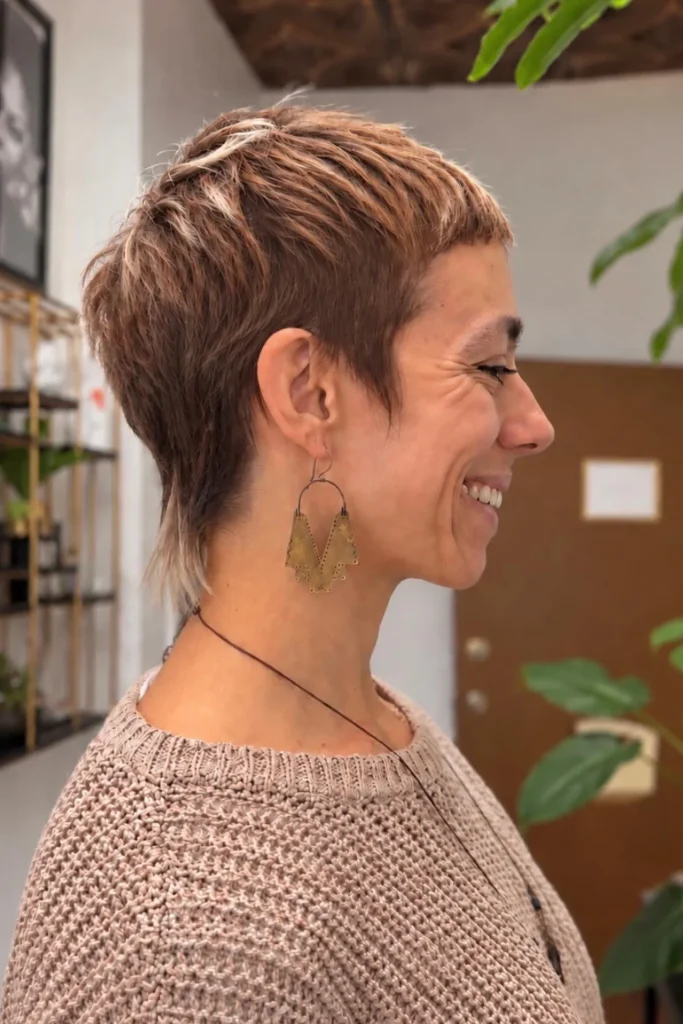
This is the gentlest way into a pixie. The back and sides are short, but the top stays long enough to sweep, part, or tuck behind an ear. It still feels like a pixie, yet it leaves you somewhere to go on a bad hair day.
It suits fine to medium hair well, because the longer top gives the illusion of fullness. Ask your stylist to keep the crown soft rather than choppy, so the top falls naturally instead of sticking up.
Style it with a small amount of cream on damp hair and a quick finger dry.
Textured Crop for Hair That Won’t Sit Still
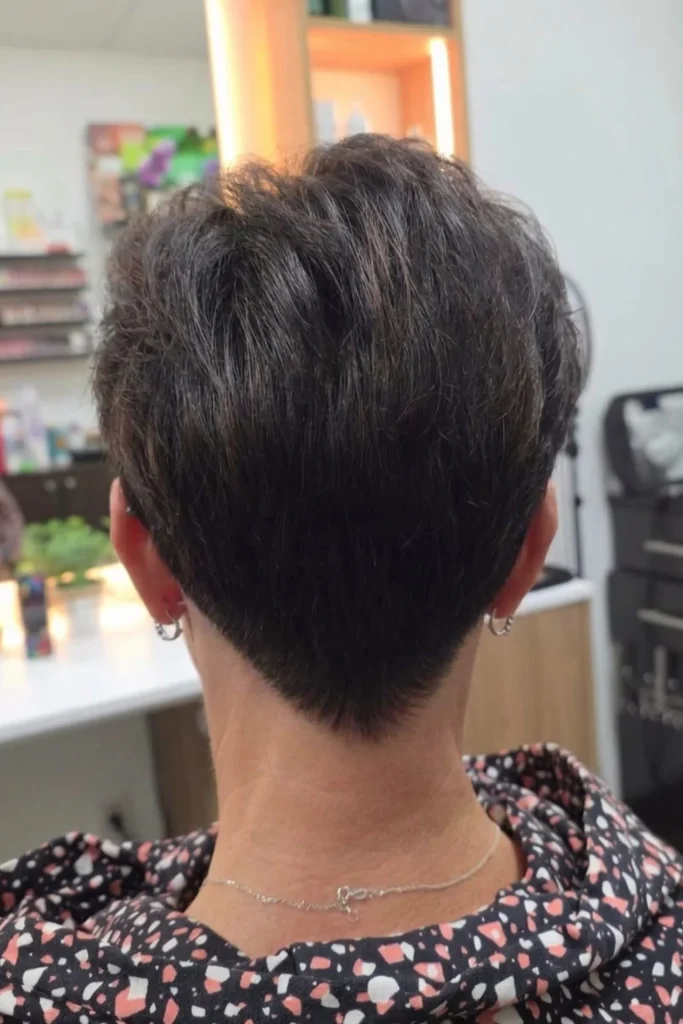
Some hair refuses to lie flat, and a textured crop works with that instead of against it. Short, uneven pieces through the top give movement, while the sides stay close enough to keep the shape tidy.
This version is a good match for thick or wavy hair that gets bulky as it grows. Texture takes weight out without making the cut look thin, and it means you do not have to fight every piece into place.
Use a light texture paste on dry hair and pinch the ends into place. Less product is better here, since too much can make short textured hair look heavy.
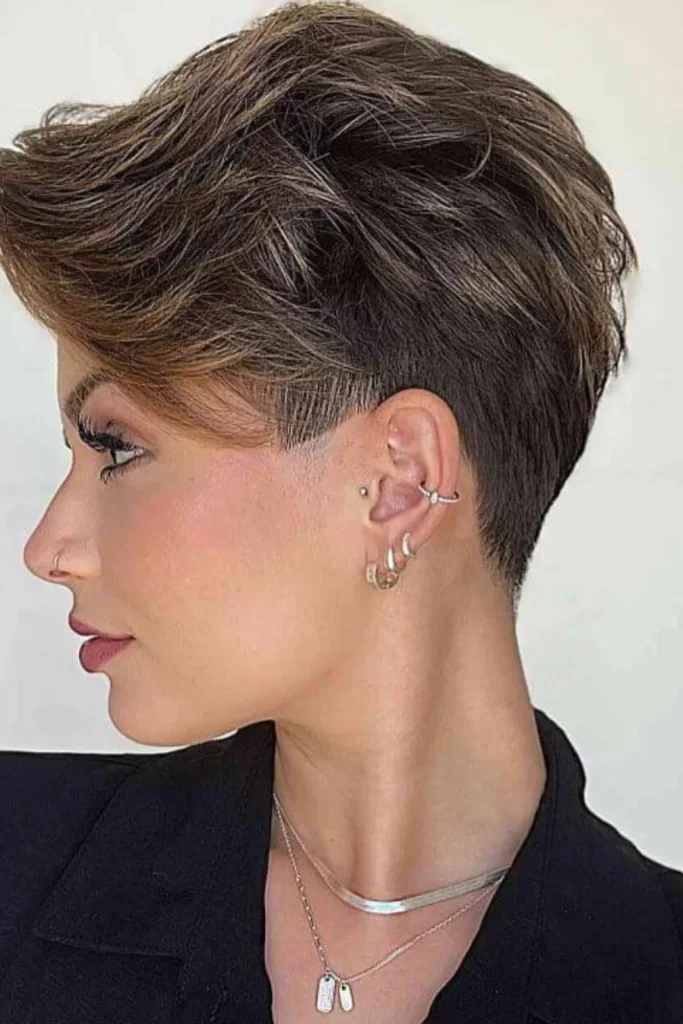
Tapered Pixie, Neat at the Nape
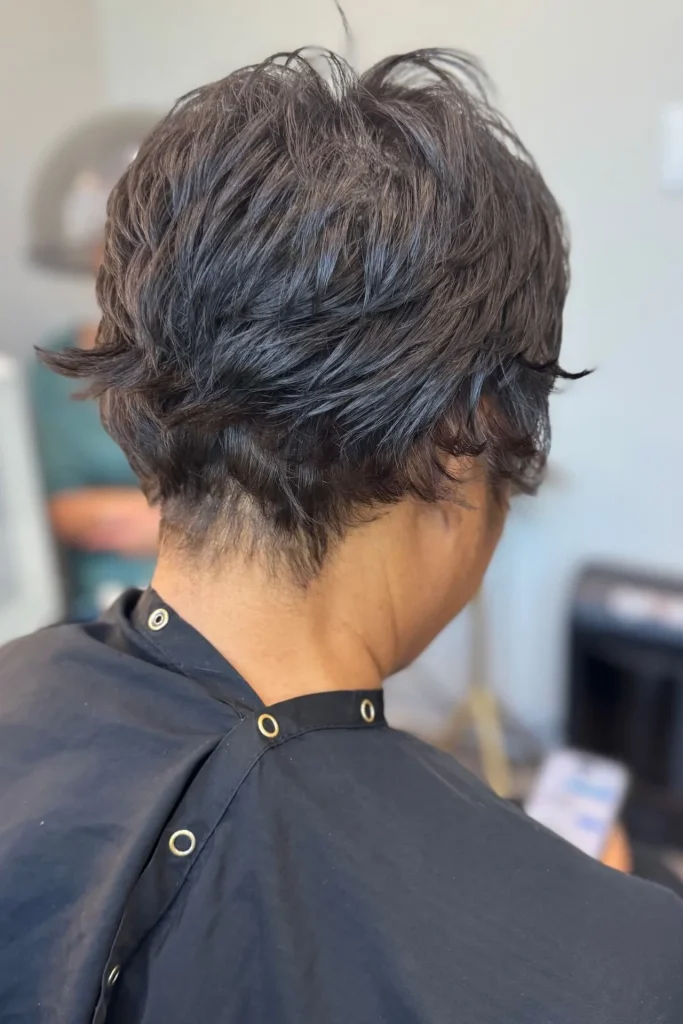
A tapered pixie is shaped gradually from longer on top to shorter at the nape and around the ears. There is no harsh line where the length changes, so the cut looks clean from every angle.
It suits people who like a polished finish and do not mind regular trims. The taper is what keeps it looking deliberate rather than grown out, so book the next trim before you leave the salon.
At home, a quick smooth with a small brush is usually enough.
Pixie With an Undercut Edge
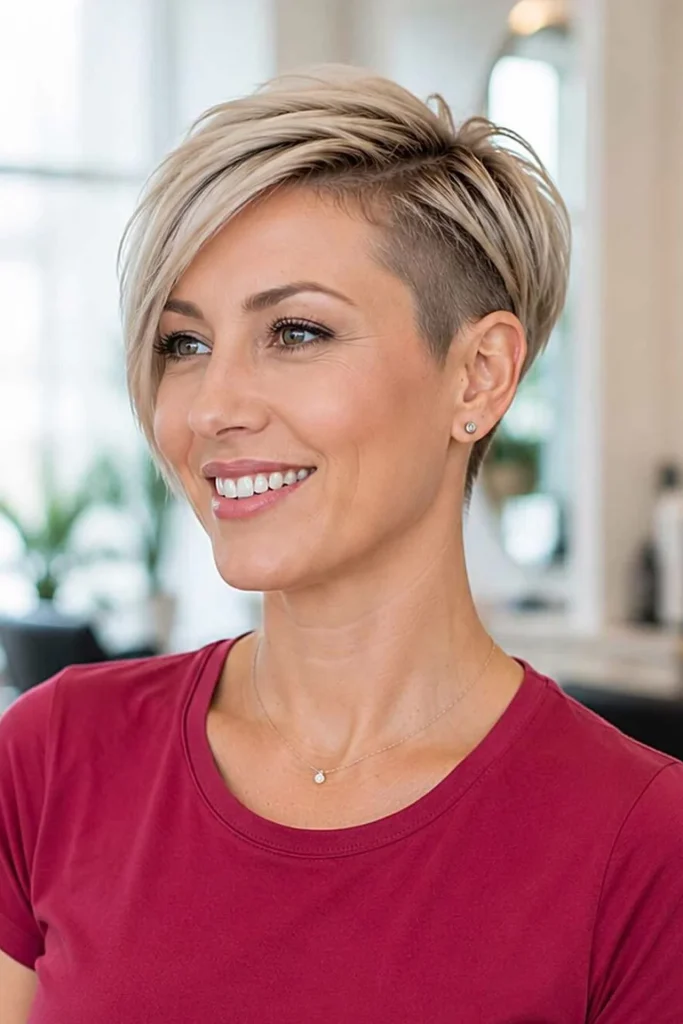
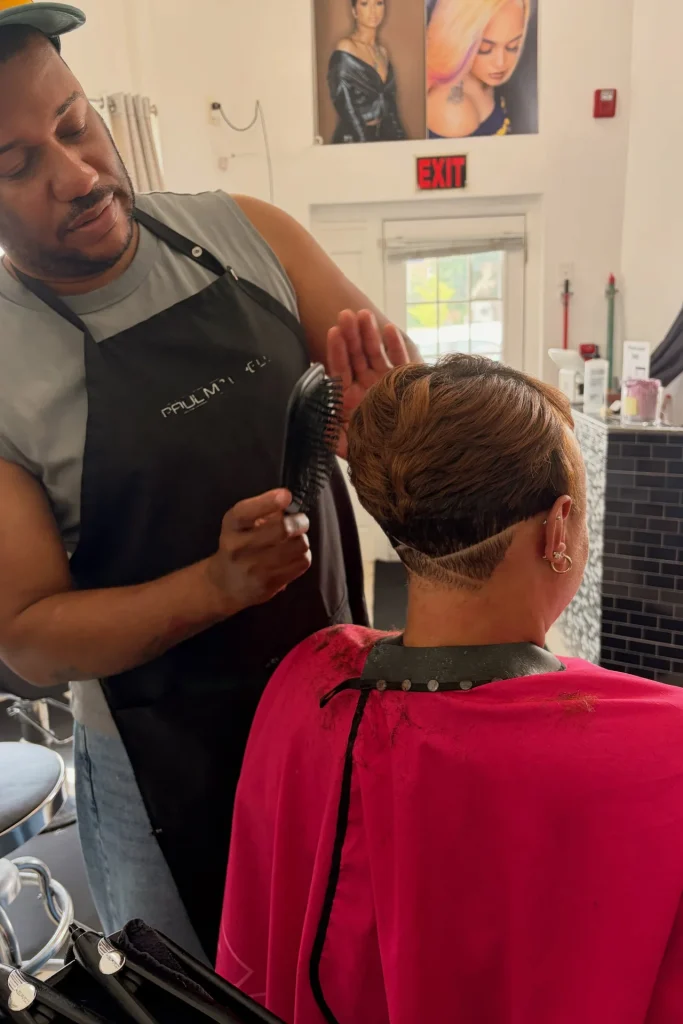
An undercut pixie keeps length on top and cuts one side, or the back, much shorter underneath. You can show it off or cover it, depending on how you part and style the top.
This is the boldest version in this set, and it suits straight or slightly wavy hair that holds a part well. It also suits anyone who wants short hair to feel like a choice, not just a practical cut.
Tell your stylist exactly how much undercut you want, and where. A small undercut at the nape is subtle, while a side undercut changes the whole look, so a photo helps more than a description.
Curly Pixie, Cut for the Curl
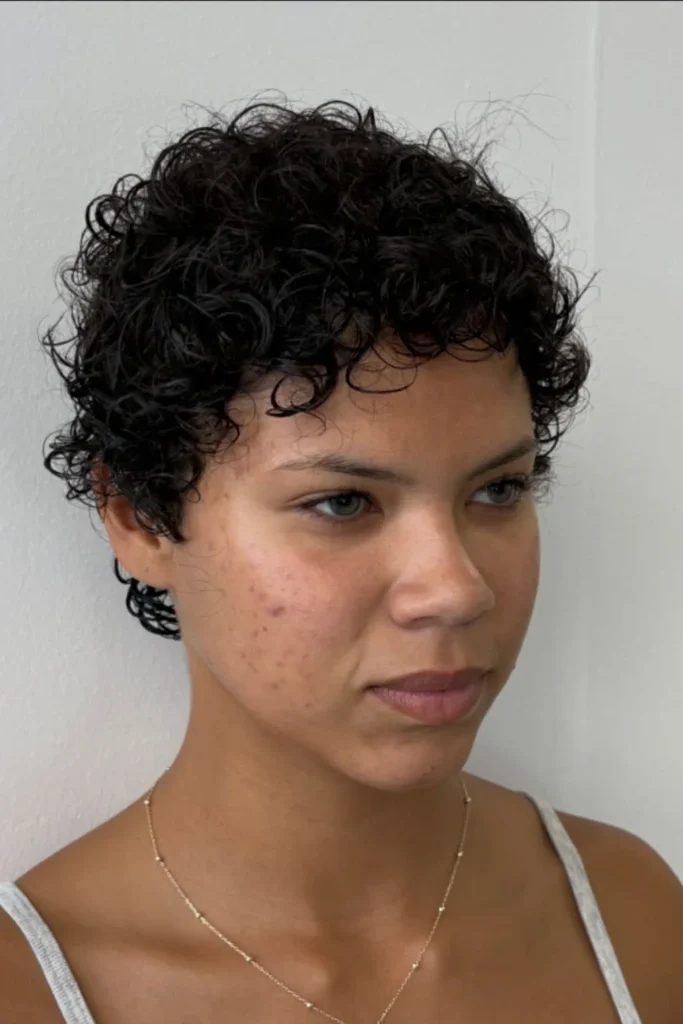
A curly pixie has to be cut with the curl in mind, because curls shrink and spring up as they dry. A length that looks right when wet can end up far shorter than you expected.
Ask for a dry cut, or at least for extra length to be left in. The curls should be shaped one by one, so the outline stays even even when some curls bounce higher than others.
Scrunch in curl cream on soaking wet hair and let it dry without touching it. That hands-off drying keeps the shape round and soft, instead of frizzy and uneven.
Sleek Pixie for a Sharp Finish
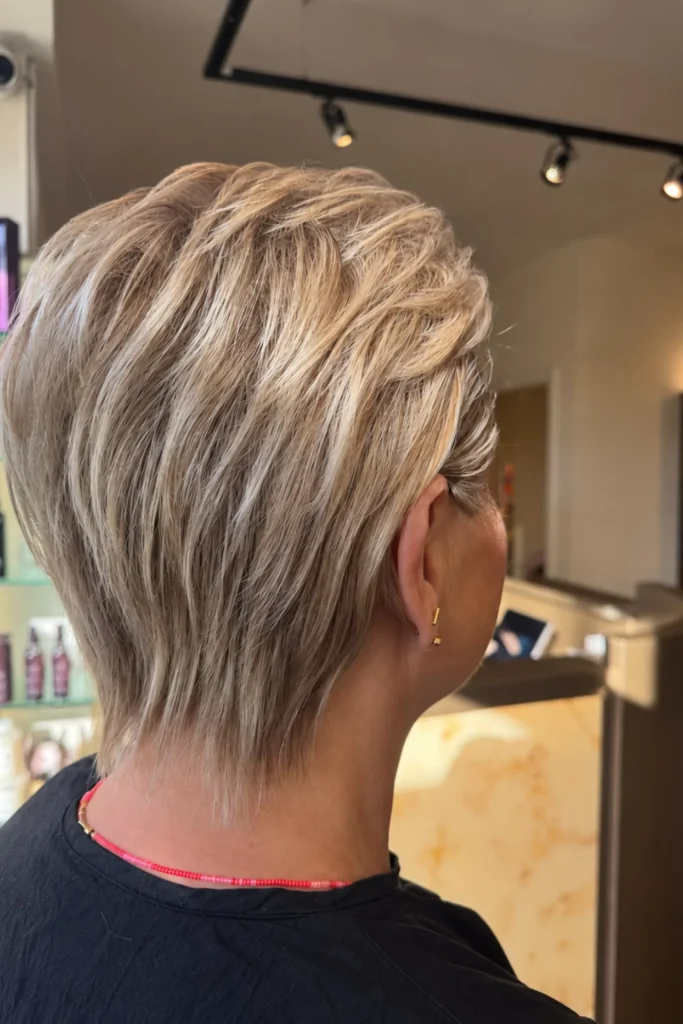
A sleek pixie is smooth, close to the head, and very intentional. It shows off cheekbones and eyes, and it pairs well with a strong brow or a bold lip.
It suits straight hair best, and it suits anyone who likes a neat, put-together look. The cut itself does most of the work, so styling can stay simple.
Smooth a little serum through damp hair, dry it flat with a small brush, and finish with a light hold spray.
Pixie With a Side Swept Fringe
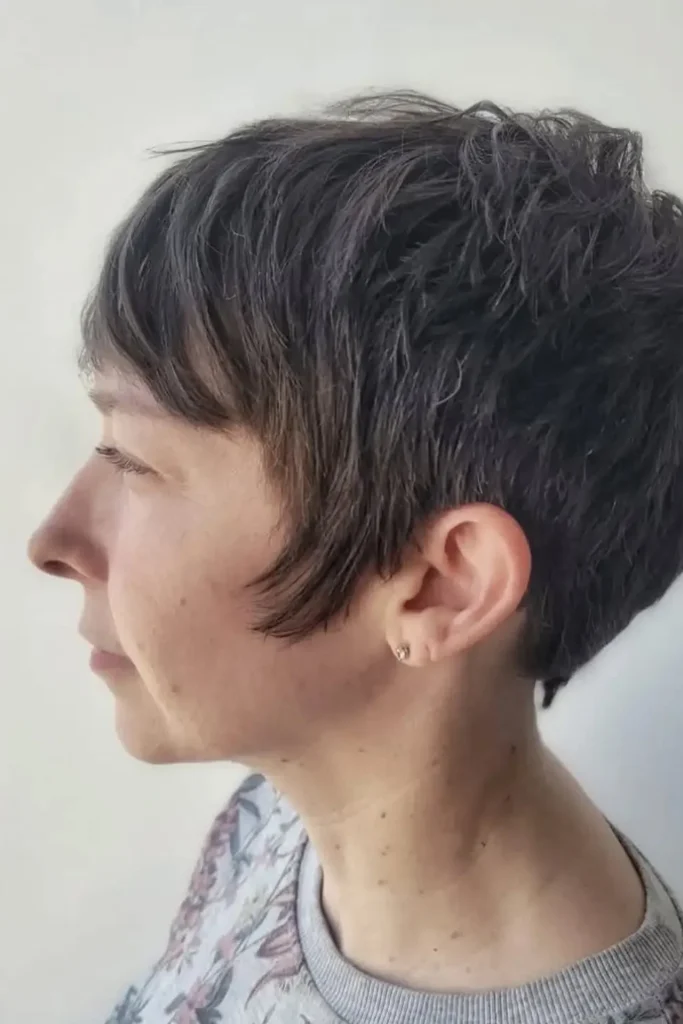
A side swept fringe softens a pixie in one move. The fringe falls across the forehead and blends into the longer top, so the cut feels less severe and more flexible.
This version is a kind choice for a first pixie, or for anyone who is not ready for a very short fringe. It also gives you styling options, since you can sweep the fringe to either side.
Dry the fringe first, in the direction you want it to fall, while it is still damp. That first minute of drying decides whether it sits flat or lifts away from your face. You can see how fringe lengths change a short cut in these bangs hairstyles.
The Grow-Out Pixie, Shaped as It Lengthens
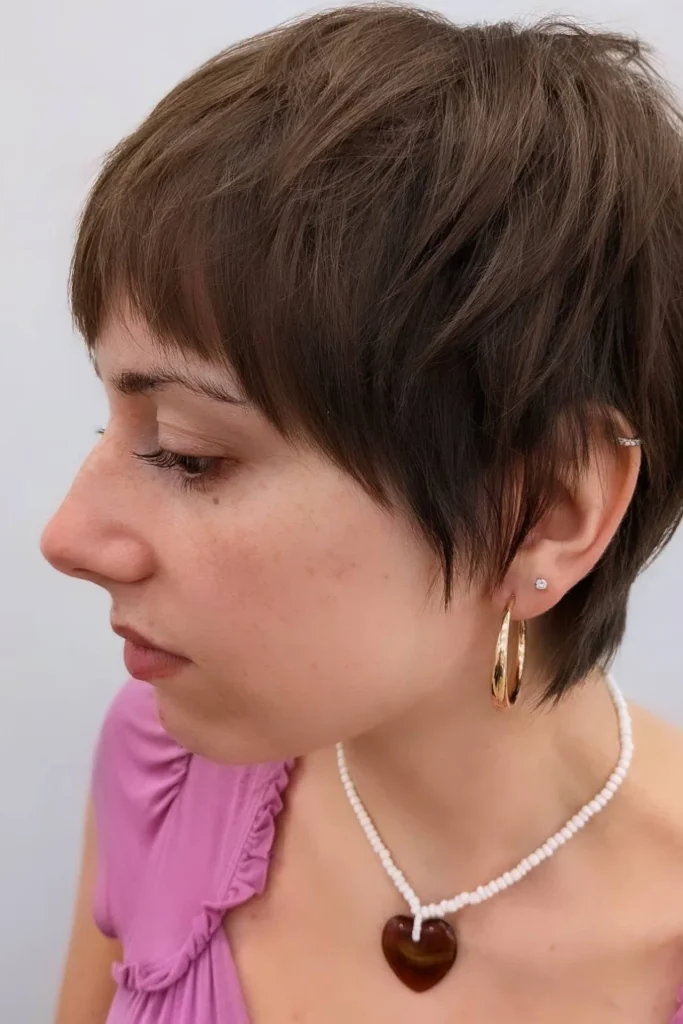
Every pixie grows out, and the grow-out stage does not have to be awkward. With regular shaping, a pixie can lengthen into a soft crop, then into a short bob, without a phase you want to hide under a hat.
Shaping, not waiting, is what matters here. Your stylist can tidy the back and sides while letting the top grow, so the outline stays clean even as the length changes.
You can hold the pixie with frequent trims, grow it into a longer cut, or reshape it into something new. A long bob hairstyle is one natural next step if you want length again, while a classic bob hairstyle is a shorter landing point.
Choosing Your Pixie: Face, Hair, and Upkeep
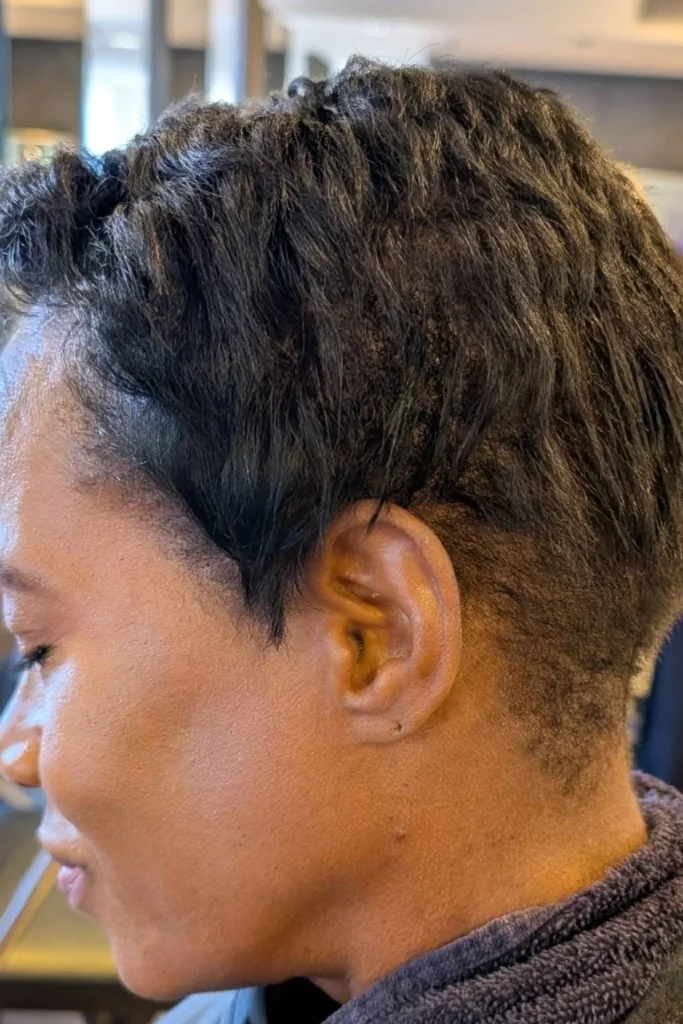
Start with upkeep, not just the photo. A tapered or sleek pixie needs a trim every four to six weeks to hold its shape, while a soft or textured pixie can often stretch a little longer. If you rarely visit the salon, pick a version with more length on top.
Then think about your hair type. Fine hair suits a soft pixie with a blunt-feeling top, thick hair suits texture that removes bulk, and curly hair needs a dry cut that respects shrinkage. Your face shape matters too, and it helps to read how to choose a haircut for your face shape before your appointment, so you can point to the length and fringe you actually want.
Bring photos, but bring honest ones too. A photo of your own hair on a normal day tells your stylist more than a perfect salon shot. Talk about how you dry your hair, how much product you will really use, and whether you want a cut you can tie back or pin up, because a pixie gives you fewer hiding places.
For daily care, keep it simple. Wash when your scalp needs it, condition lightly so short hair does not go flat, and protect it from too much heat. A plain, step by step simple hair care routine covers the basics, and dermatologists also share tips from dermatologists for healthy hair that are worth a quick read.
On rushed mornings, a pixie is usually faster than longer hair, but it still needs a plan. Keep a few easy hairstyles for busy mornings in mind for the days when a quick sweep and a little product are all you have time for.
Quick Answers
Is a pixie hard to grow out?
Not if it is shaped along the way. Regular trims to the back and sides while the top grows keep the outline tidy, and a pixie can grow into a crop and then a short bob without an awkward in-between stage.
Will a pixie suit fine hair?
Yes, if the top stays soft and not too layered. A soft pixie with longer pieces on top makes fine hair look fuller, while heavy layering through the crown can thin it out.
Can I have a pixie with curly hair?
Yes, but it must be cut dry and a little longer than your target length. Curls shrink as they dry, so a curly pixie shaped curl by curl holds its outline far better than one cut straight across when wet.
How often does a pixie need a trim?
Most pixies look best with a trim every four to six weeks. Sleek and tapered versions need the most frequent trims, while soft and textured versions can usually go a little longer between visits.