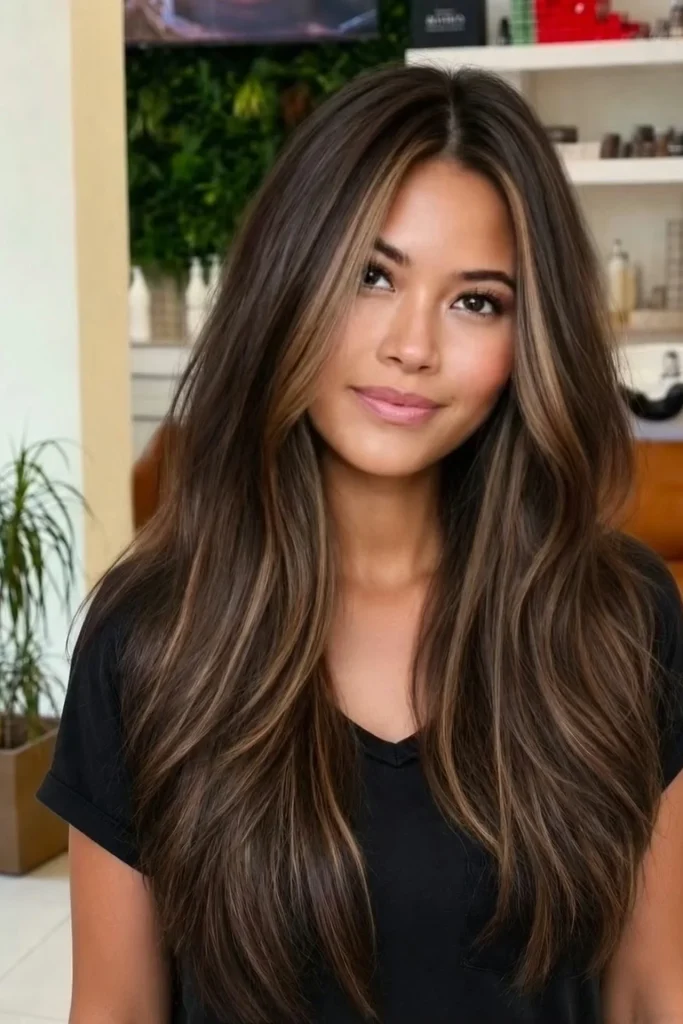
Caramel sits in that sweet middle ground most dark-haired clients actually want. It is warmer than brown, softer than blonde, and it does not demand a full head of foils every six weeks.
The catch is placement. Caramel highlights fail when they are painted on without a plan. They work when the tone matches your base, the placement matches your routine, and the grow-out was planned from the first appointment.
These eight placements cover the real decisions: where the light goes, how warm it should read, and how much upkeep you are signing up for. Pick the placement that fits your hair and your life.
Table of Contents
Face-Framing Caramel Around the Hairline
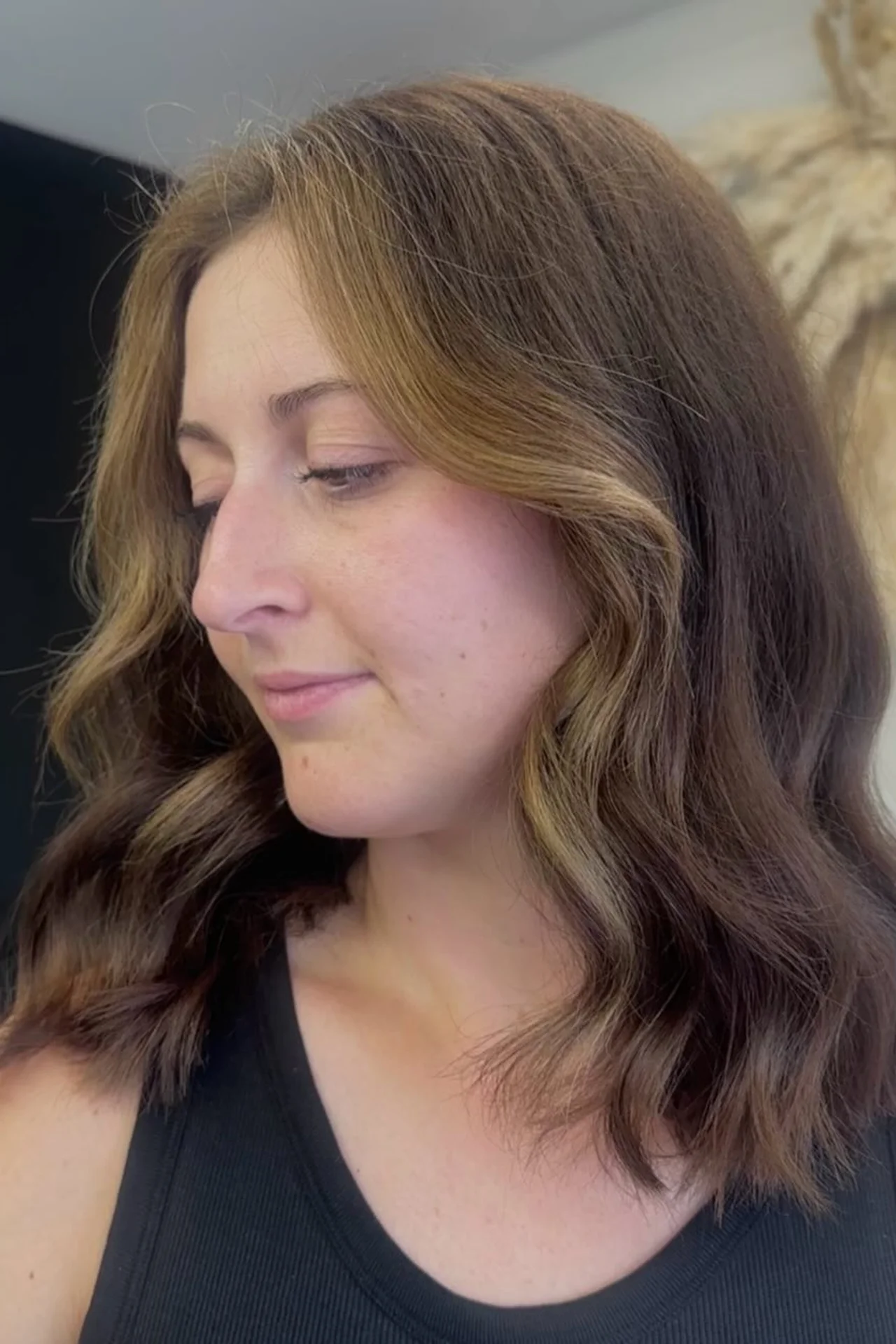
This is the smallest change with the biggest payoff. A few fine caramel pieces around the face lift your whole look without touching the back of your head. It brightens your eyes and softens a strong jawline.
Keep the pieces fine and close to the hairline, not wide stripes. Wide pieces can read harsh, especially on very dark hair. Fine pieces blend, and they grow out with far less of a line. Ask your stylist to keep the lightest pieces a shade or two above your base, not five.
This placement suits anyone who wants to test caramel before committing. If you love it, add more through the lengths next time. If you do not, it grows out quietly.
Soft Balayage Caramel That Grows Out Quietly
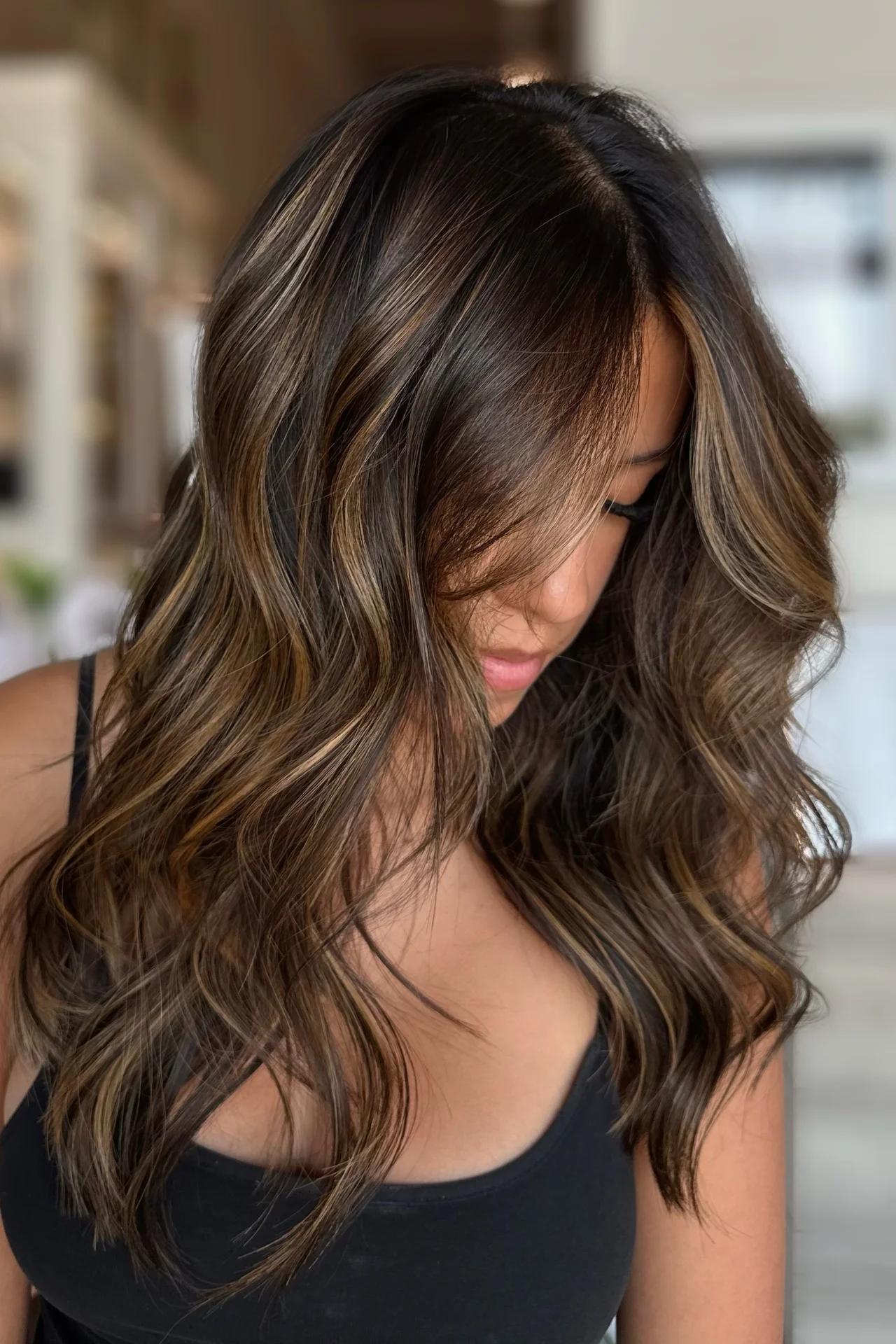
Balayage is the placement for people who hate salon appointments. Colour is painted freehand, heavier through the ends and softer near the roots, so there is no hard line as it grows. You can stretch visits to three or four months.
The key is a soft root melt. Without it, balayage can still show a shelf where the colour starts. With it, the caramel fades into your natural base. Bring photos that show the root area, not just the ends, so your stylist can see how soft you want that transition.
Balayage caramel works best on hair past the shoulders, where there is enough length for the gradient to show. On very short hair, the same effect can look patchy, because there is not enough room for the colour to build gradually.
Ribbon Caramel Through the Mid-Lengths and Ends
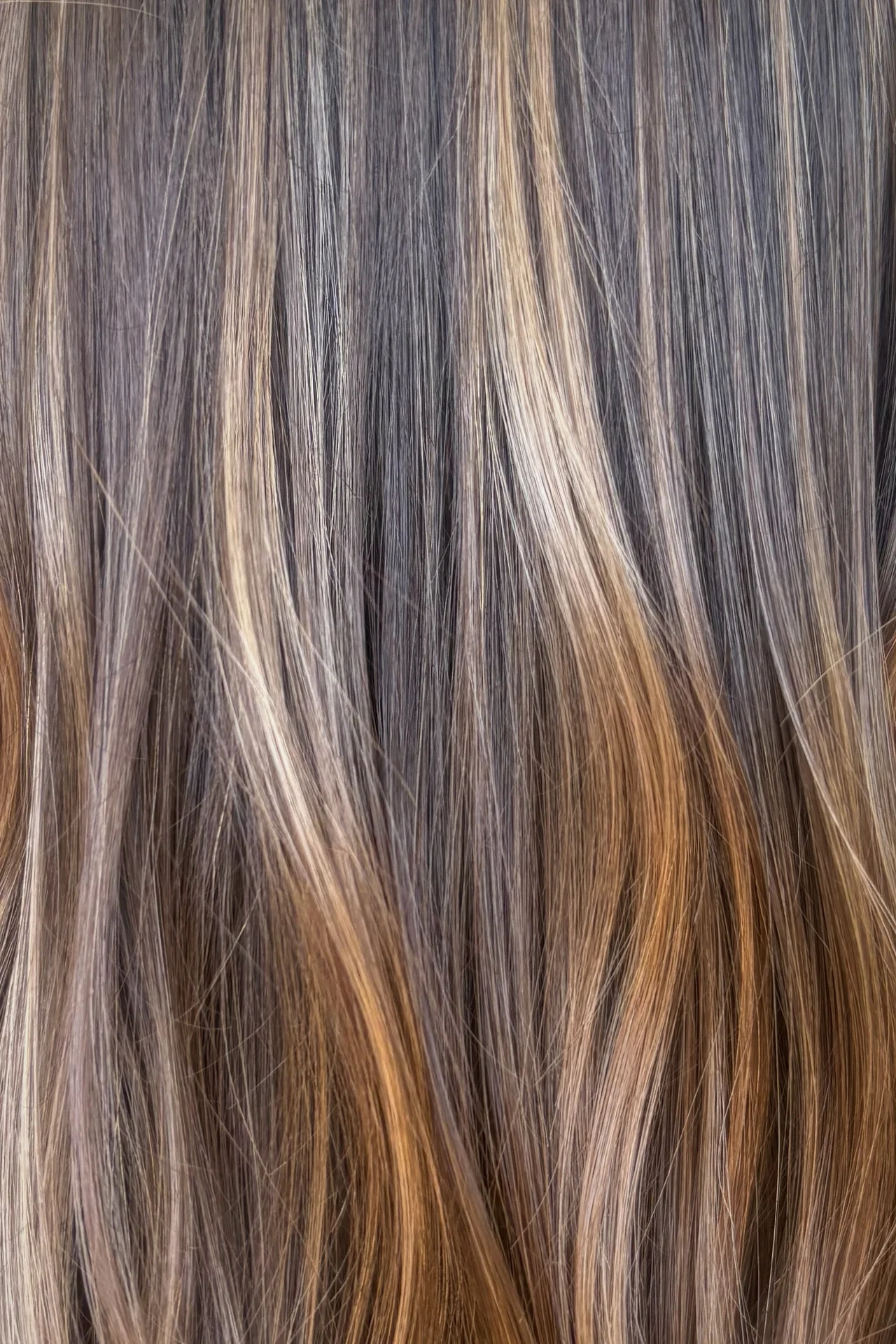
Ribbons are thin, winding strands of caramel woven through the lengths, rather than broad sections. They create movement on straight or gently wavy hair that can look flat in one solid colour, and the eye reads that variation as thickness.
This placement needs restraint. Too many ribbons and the hair turns blonde. Too few and the effect disappears indoors. Keep ribbons to the top and outer layers, with the underlayers left darker for depth. That contrast makes the caramel pop without taking over.
Ribbons also suit medium length hairstyles well. If your hair is fine, ask for ribbons slightly wider apart, so the darker base still shows between them.
Warm Caramel on Dark Brown Bases
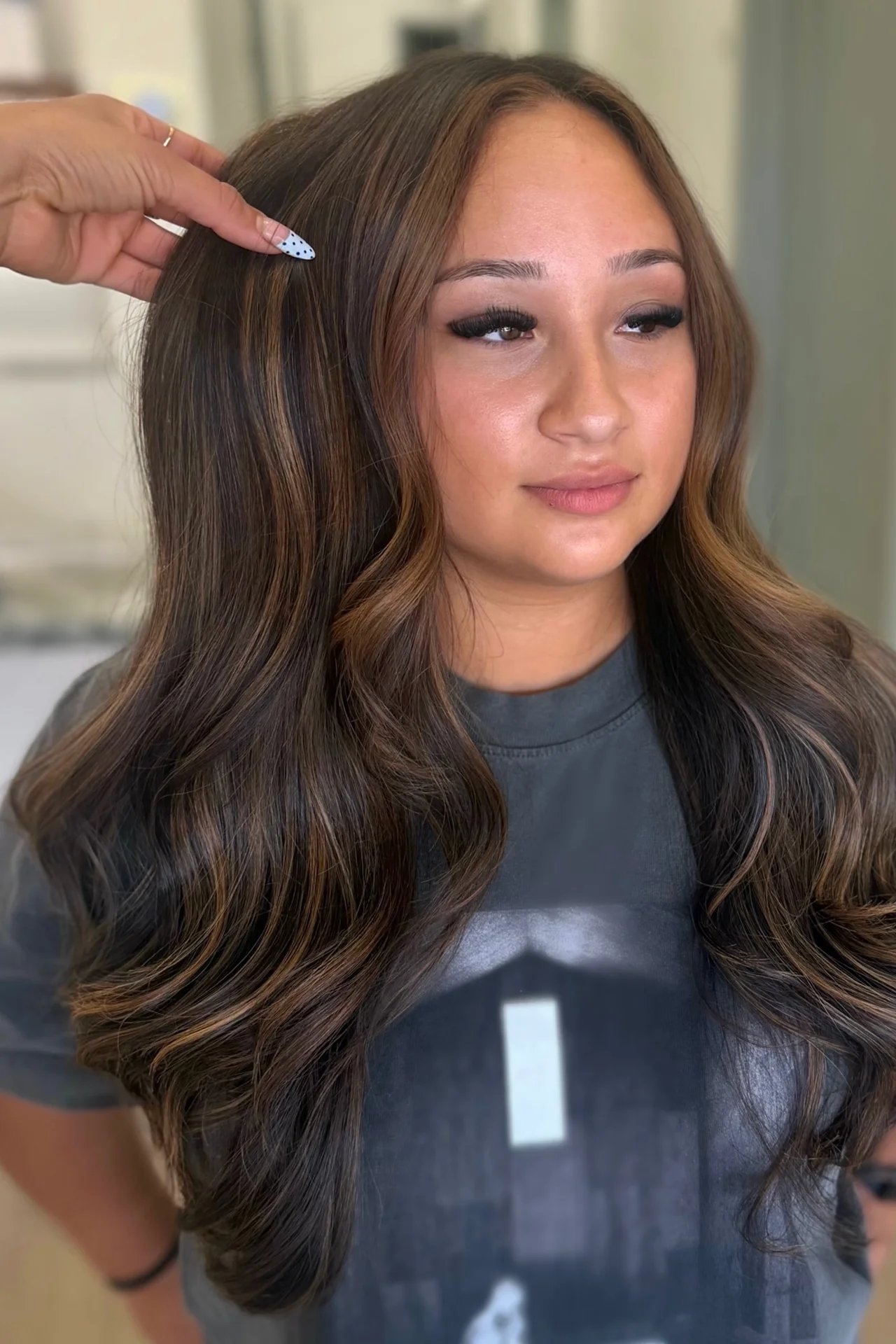
Warm caramel is the classic pairing for dark brown hair, and it works because the tones belong together. Golden, honeyed caramel melts into dark brown without looking forced, and it suits warm and neutral skin tones especially well.
The risk here is going too golden too fast. On very dark bases, lifting to a warm caramel in one session can pull orange if the hair is not lifted evenly. A patient stylist will lift in stages or choose a deeper caramel first, then brighten it next time.
Warm caramel also fades warmer, so upkeep is about gloss, not correction. A caramel gloss every six to eight weeks keeps the tone rich and stops it drifting brassy.
Cooler, Ash-Toned Caramel for Brassy Hair
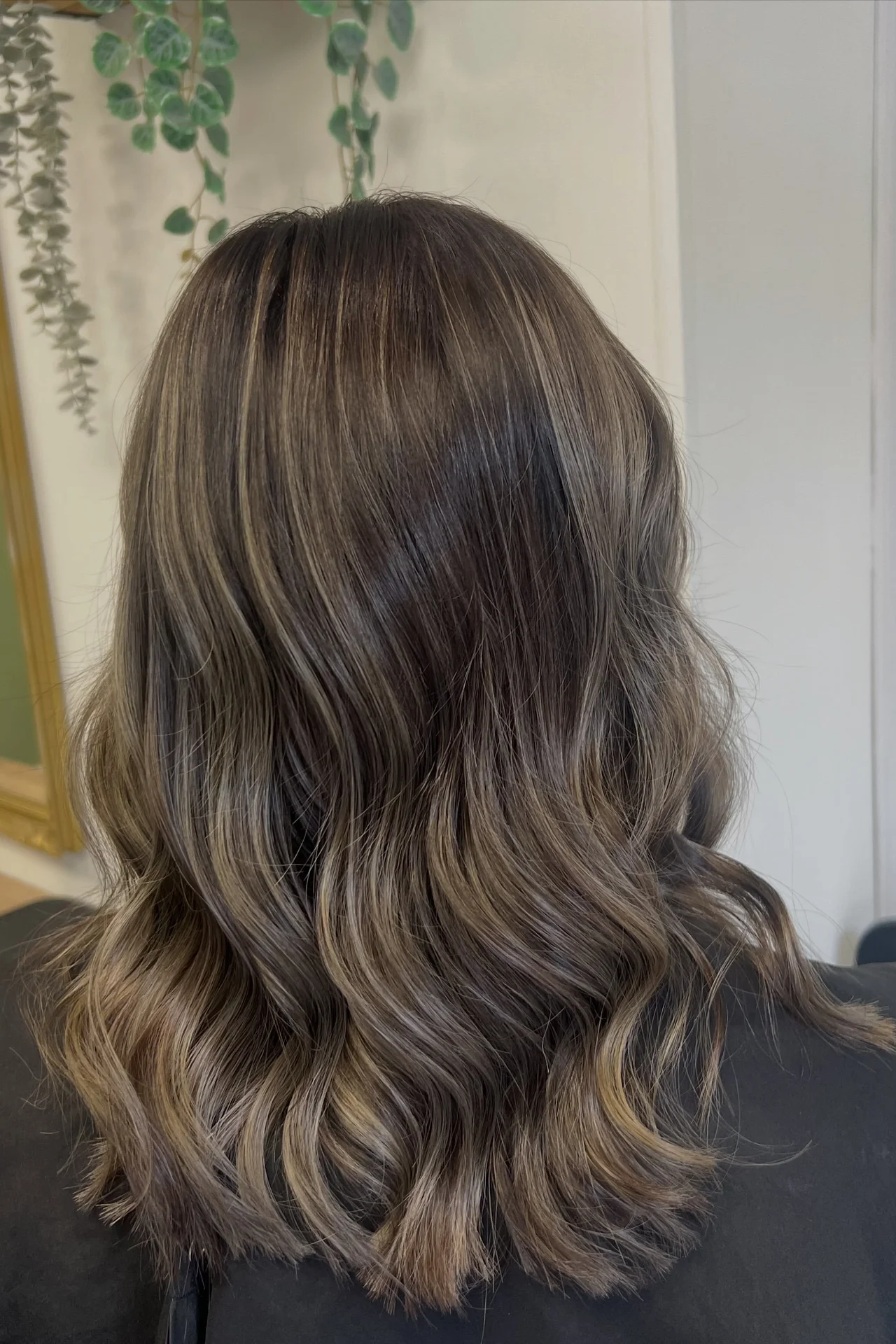
Not every caramel should be golden. If your hair turns brassy fast, or your skin tone is cool, an ash-toned caramel keeps the warmth in check, with a muted, smoky finish instead of a honey glow.
This tone needs honest upkeep talk. Ash tones fade faster than warm tones, because the cool pigment washes out first. Expect a toning gloss every four to six weeks to hold the cool finish. Without it, the colour will drift back toward warm on its own.
Cooler caramel pairs well with brown hair colors that already lean neutral or cool. If your base is warm, your stylist may need to neutralise first, or the cool caramel will fight your natural warmth and fade unevenly.
Caramel for Fine Hair That Needs to Look Fuller
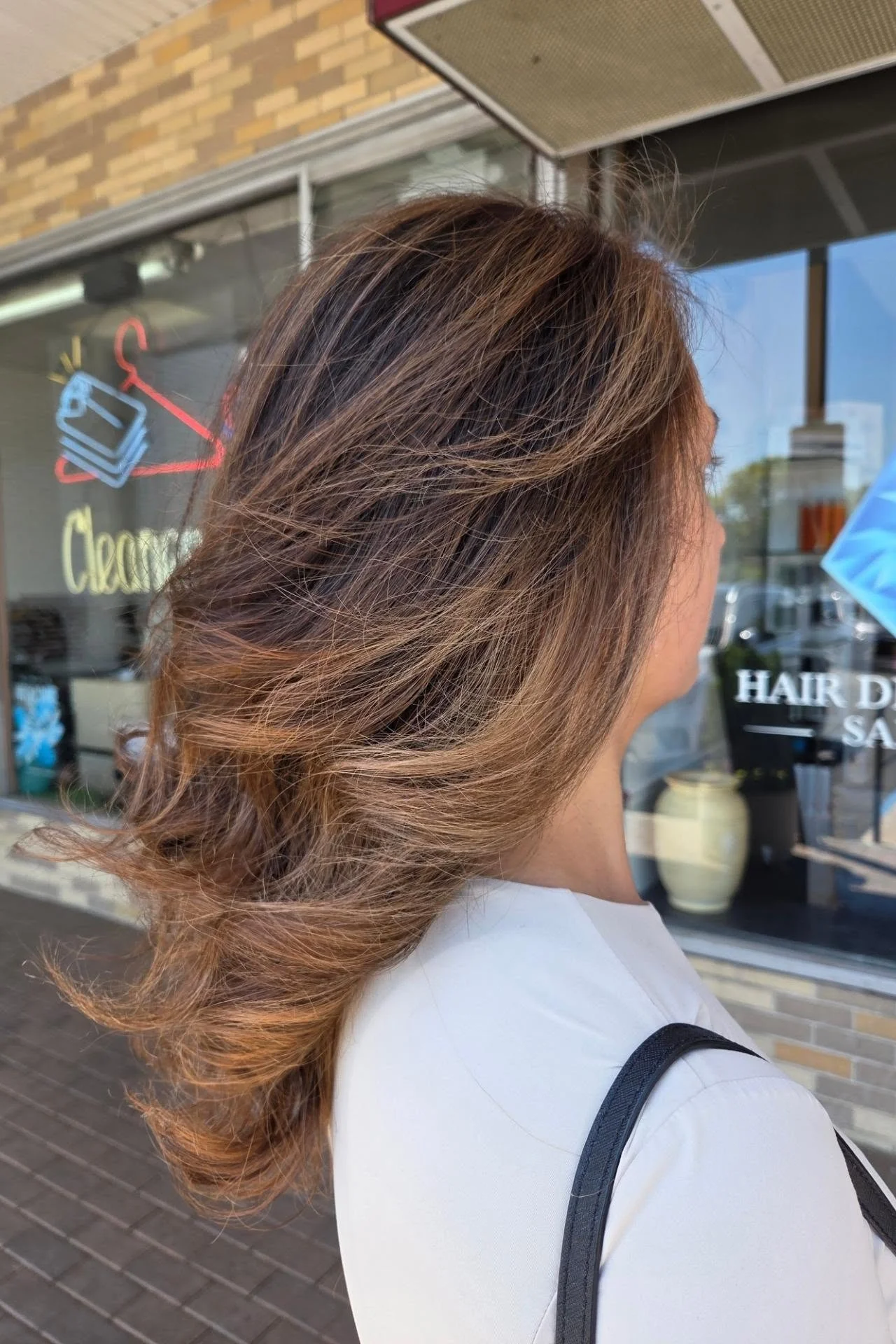
Fine hair and caramel are a good match, when the placement respects the density. Caramel through the top layers creates light and shadow, and that contrast makes fine hair look fuller. Solid dark fine hair can look flat, while solid blonde fine hair can look thin at the ends.
Keep the highlights fine and scattered, not chunky. Chunky pieces on fine hair show the scalp between them and can make hair look thinner. Fine, well-blended pieces do the opposite, because the eye reads the variation as volume.
Length matters here too. Caramel that ends in a blunt outline looks fuller than caramel dragged to wispy ends. If your fine hair is long, trim the ends solid before adding colour, so the caramel has something substantial to work with.
Caramel on Curly and Wavy Hair
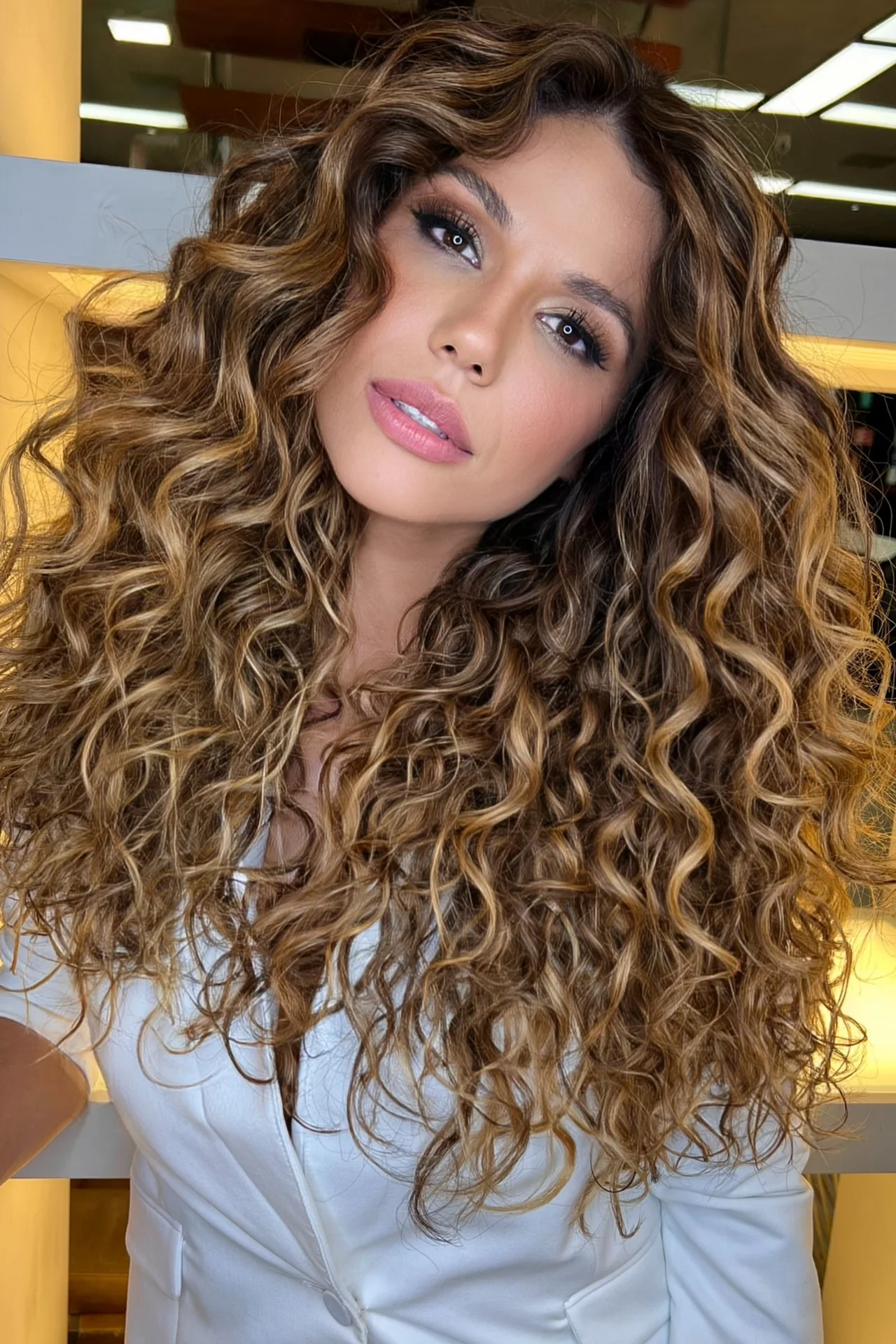
Curls change how caramel reads, because the colour moves as the curl moves. A piece that looks bold when the hair is straight can almost disappear inside a curl, then flash when the curl springs up. Placement has to follow the curl pattern, not fight it.
For wavy and curly hair, balayage-style painting usually beats foils. Painted colour follows the natural fall of the curl, so the caramel sits where light would naturally hit. Foils can create stripes that only show when the hair is straightened.
Talk through your drying routine before the appointment. If you diffuse, air dry, or straighten on different days, your stylist needs to know, because caramel placed for one routine can look uneven in another. For texture-led ideas, see wavy hairstyles.
Low-Maintenance, Lived-In Caramel
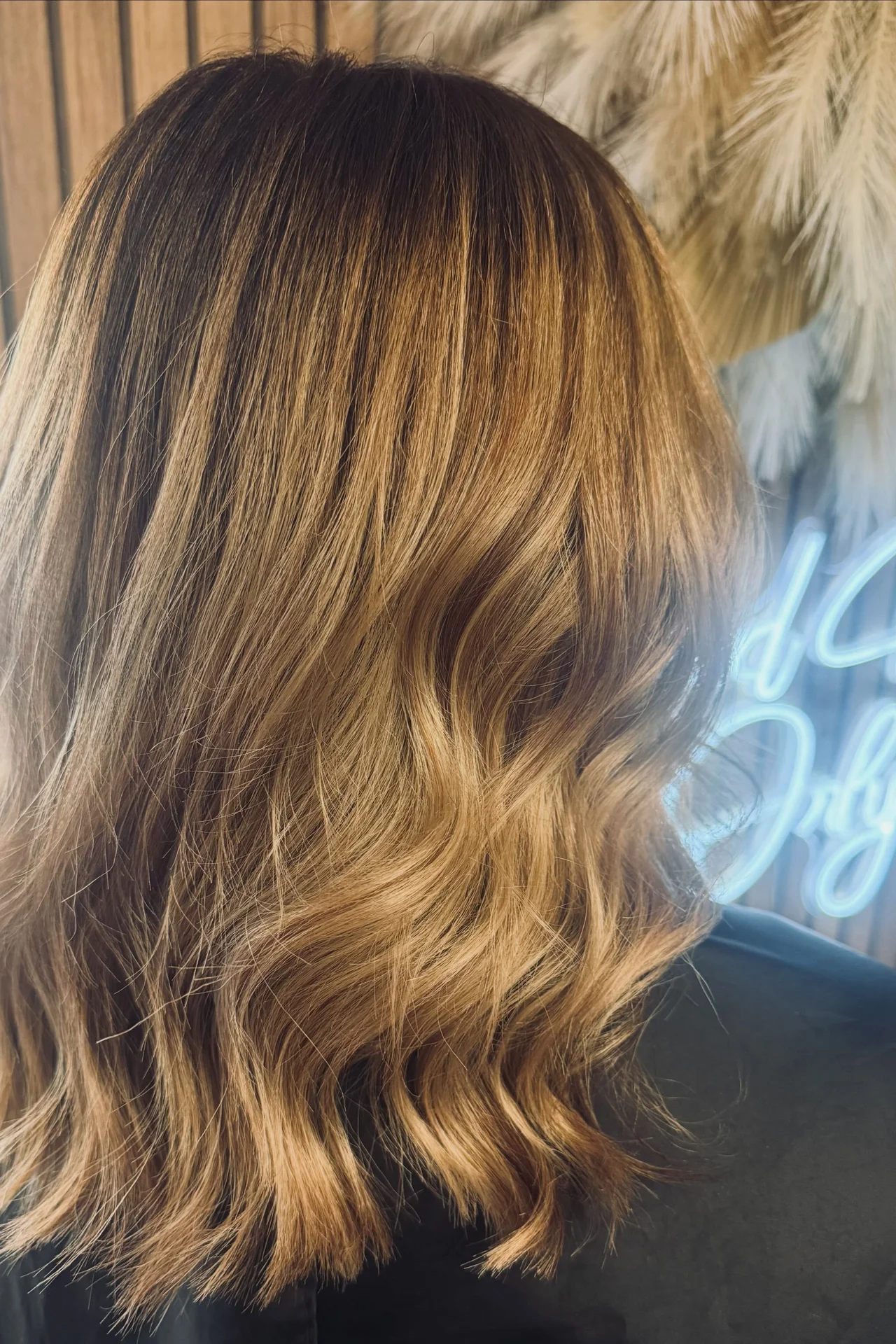
Lived-in caramel is a philosophy more than a technique. The colour starts softer at the roots, builds gently through the lengths, and is designed to look good at eight weeks, not just on day one. It suits anyone who colours twice or three times a year and wants no panic between visits.
The trade-off is subtlety. Lived-in caramel will never be as bright as a fresh full foil, and that is the point. You are choosing a colour that ages gracefully over one that peaks early. If you love high contrast and bright ends, this placement will feel too quiet.
Upkeep is mostly at home: colour-safe shampoo, a gloss when the tone dulls, and trims that keep the ends from thinning out. Dermatologists share tips for healthy hair that help colour last, and a simple hair care routine matters more than any salon product, because the colour has to survive months of real life.
Choosing Your Caramel: Tone, Placement, and Upkeep
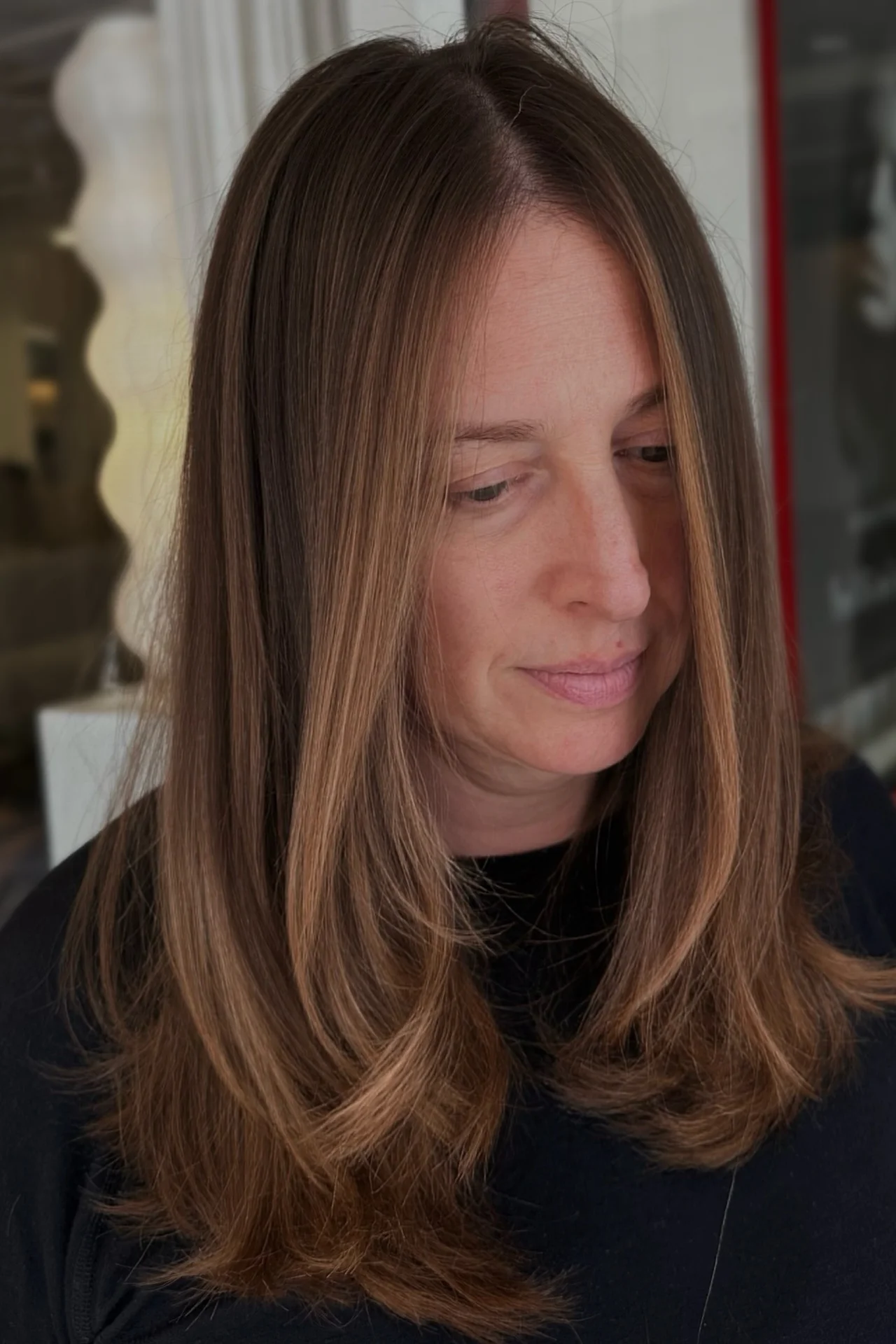
Start with your base, not a photo. Very dark hair needs a deeper caramel first, medium brown can go golden sooner, and hair that already lifts warm needs a cooler plan. The first appointment should respect what your hair actually does.
Then match placement to your routine. Face-framing suits low commitment, balayage suits long gaps between visits, ribbons suit straight hair that needs movement, and lived-in suits anyone who wants colour to age well. Read how to choose a haircut for your face shape before your appointment too, because placement around the face changes with your features.
Finally, be honest about upkeep. Warm caramel needs gloss, cool caramel needs toning, and every caramel needs a trim plan. The best caramel highlights are the ones you can actually maintain.
Quick Answers
Do caramel highlights work on very dark hair?
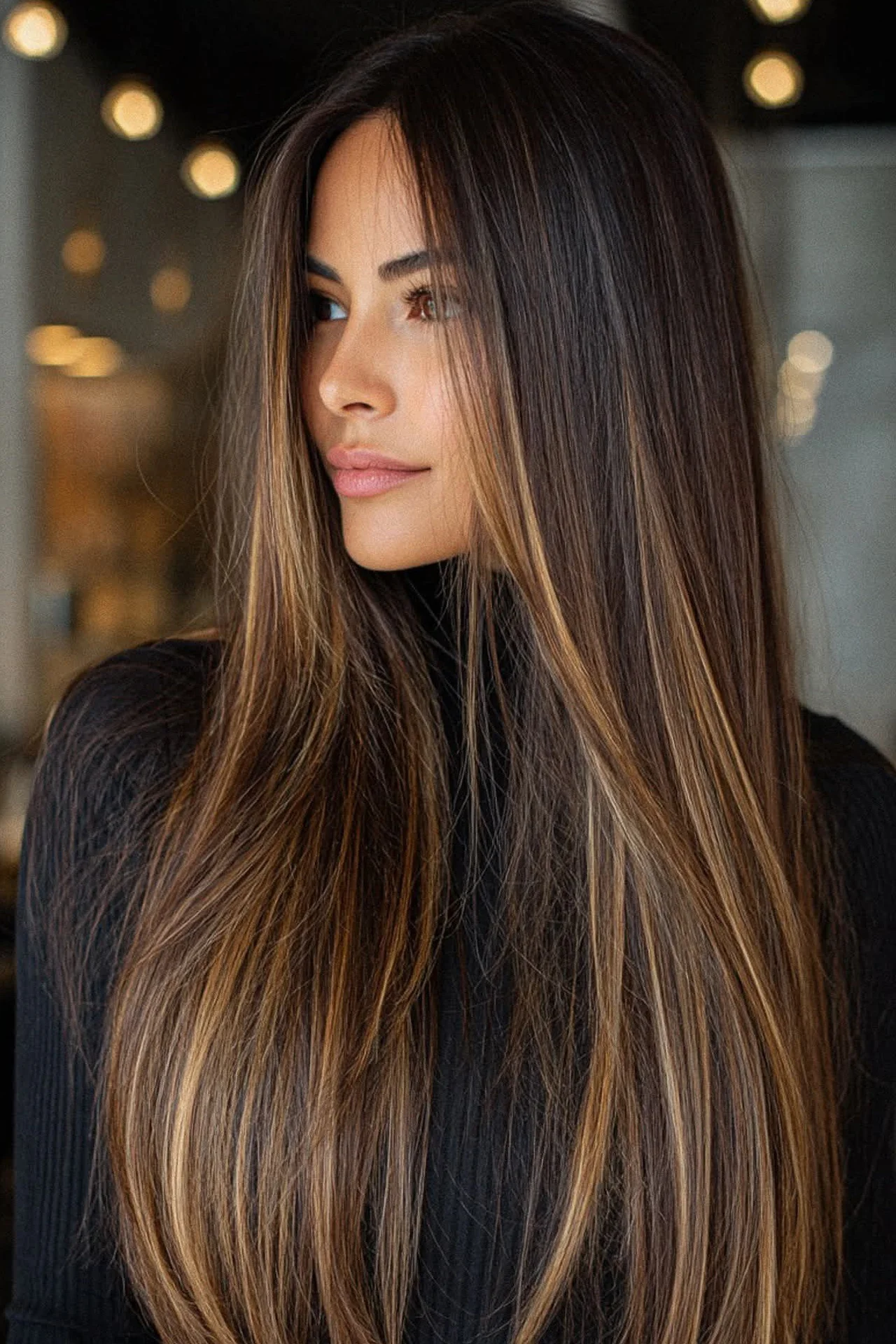
Yes, with a deeper caramel first. Very dark hair lifts warm, so a golden caramel that is only a few shades lighter blends better than a pale one, and it can be brightened in stages at later visits.
How often do caramel highlights need a touch-up?
It depends on placement. Face-framing pieces need attention every eight to ten weeks, balayage and lived-in placements can stretch to three or four months, and any cool-toned caramel needs a toning gloss every four to six weeks.
Will caramel highlights turn brassy?
Warm caramel fades warmer, which is normal, and a gloss keeps it rich rather than orange. Cool caramel fades toward warm as the cool pigment washes out, so toning is what holds the cooler finish.
Can I get caramel highlights without going blonde?
Yes, that is exactly what caramel is for. It adds warmth and dimension to dark and medium brown hair without lifting to blonde, and the placement keeps the overall look brown with light, not blonde with dark roots.