Winter hairstyles for curly hair that prevent frizz are less about fighting your curl pattern and more about working with it. Cold air pulls moisture out of the hair shaft, and dry indoor heat finishes the job. The styles and habits here keep moisture sealed in and curls contained, which is what actually keeps frizz down.
You do not need a shelf full of products to get through winter with good curls. A few protective styles, a gentler wash day, and a refresh routine you can do in minutes will carry most curl patterns through the cold months.
Table of Contents
Why Winter Air Makes Curls Frizz
Frizz is mostly a moisture problem. Curly hair loses moisture faster because the bends in each strand give water more places to escape. Winter makes that worse twice over. Outside, cold dry air draws moisture out, and inside, heated rooms do the same thing from the other direction.
That is why curls can feel soft after washing and rough a few hours later. As hair dries out, the cuticle lifts, which reads as frizz. Sealing the cuticle with cream or gel while the hair is still damp helps.
Humidity swings make curls swell and shrink, which breaks up clumps. Winter hairstyles for curly hair that prevent frizz hold curls together instead of leaving every strand loose.
Protective Styles That Keep Curls Contained
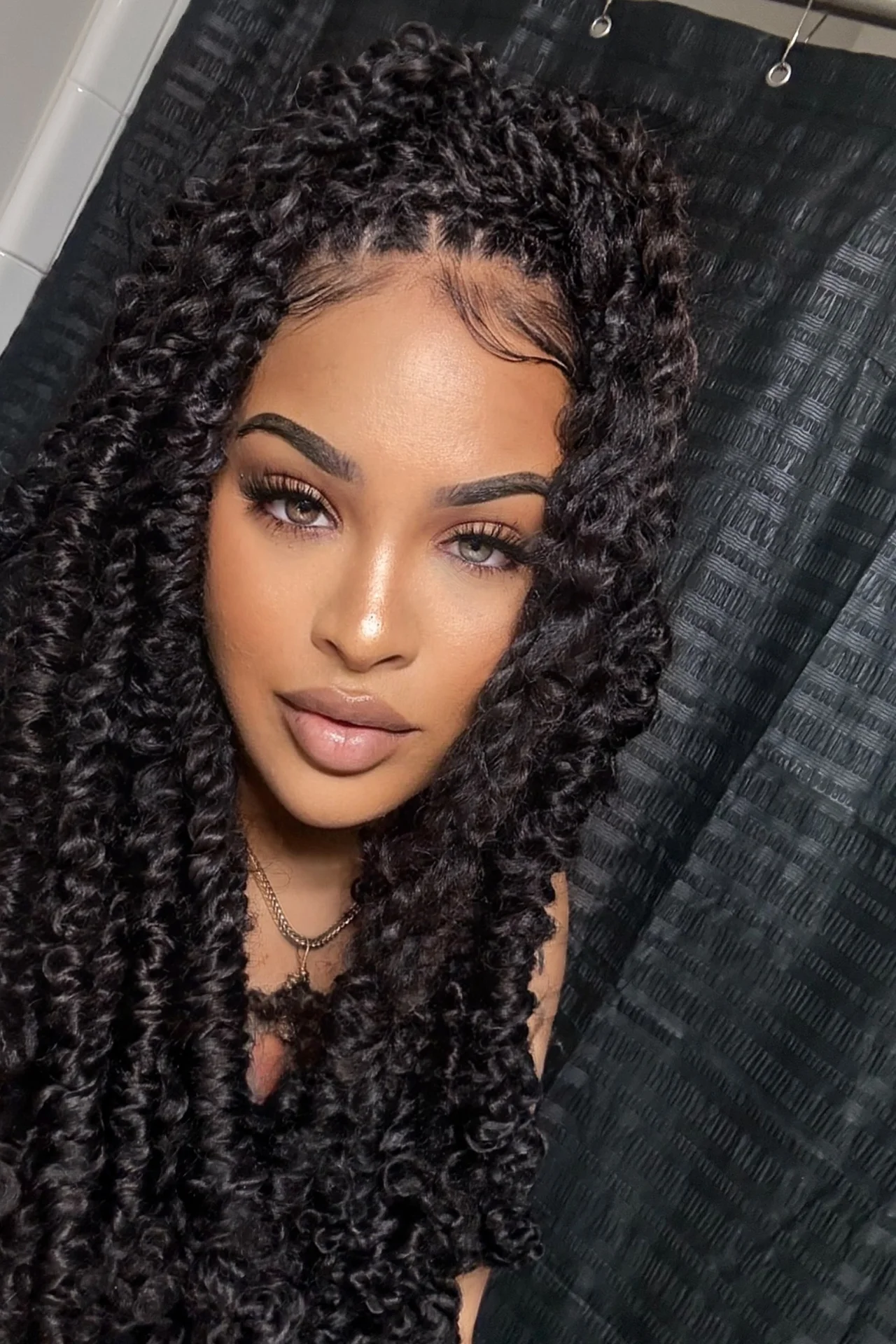
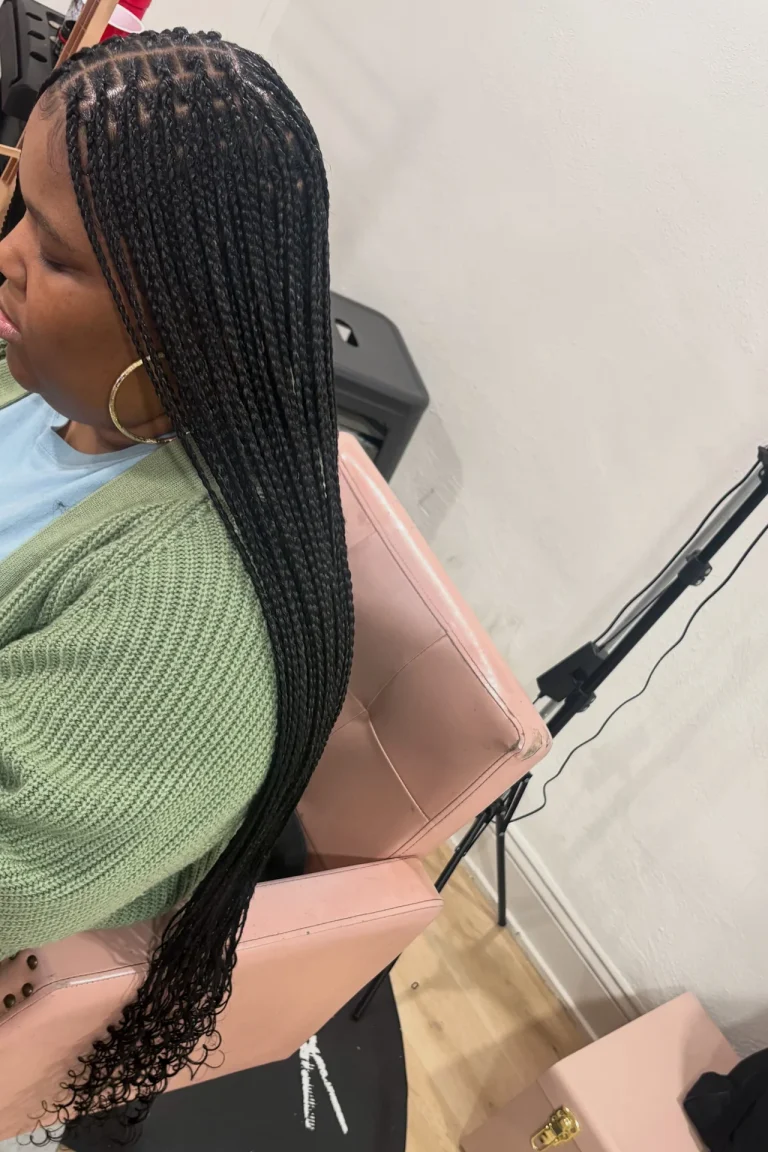
Two strand twists are one of the most reliable winter options for curly hair. They keep the ends tucked away, they hold up under a hat, and they unravel into soft defined waves when you take them out. Flat twists give the same protection with a neater finish.
Loose braids work well too, as long as they are not pulled tight. A single loose braid down the back keeps curls from tangling in a scarf. Tight braids can stress the hairline, so keep the tension gentle.
Buns count as protective styles when they are loose. A low loose bun keeps ends off your coat collar, and a pineapple bun protects curls overnight. Avoid slicked back buns every day.
Wash Day, Adjusted for Winter
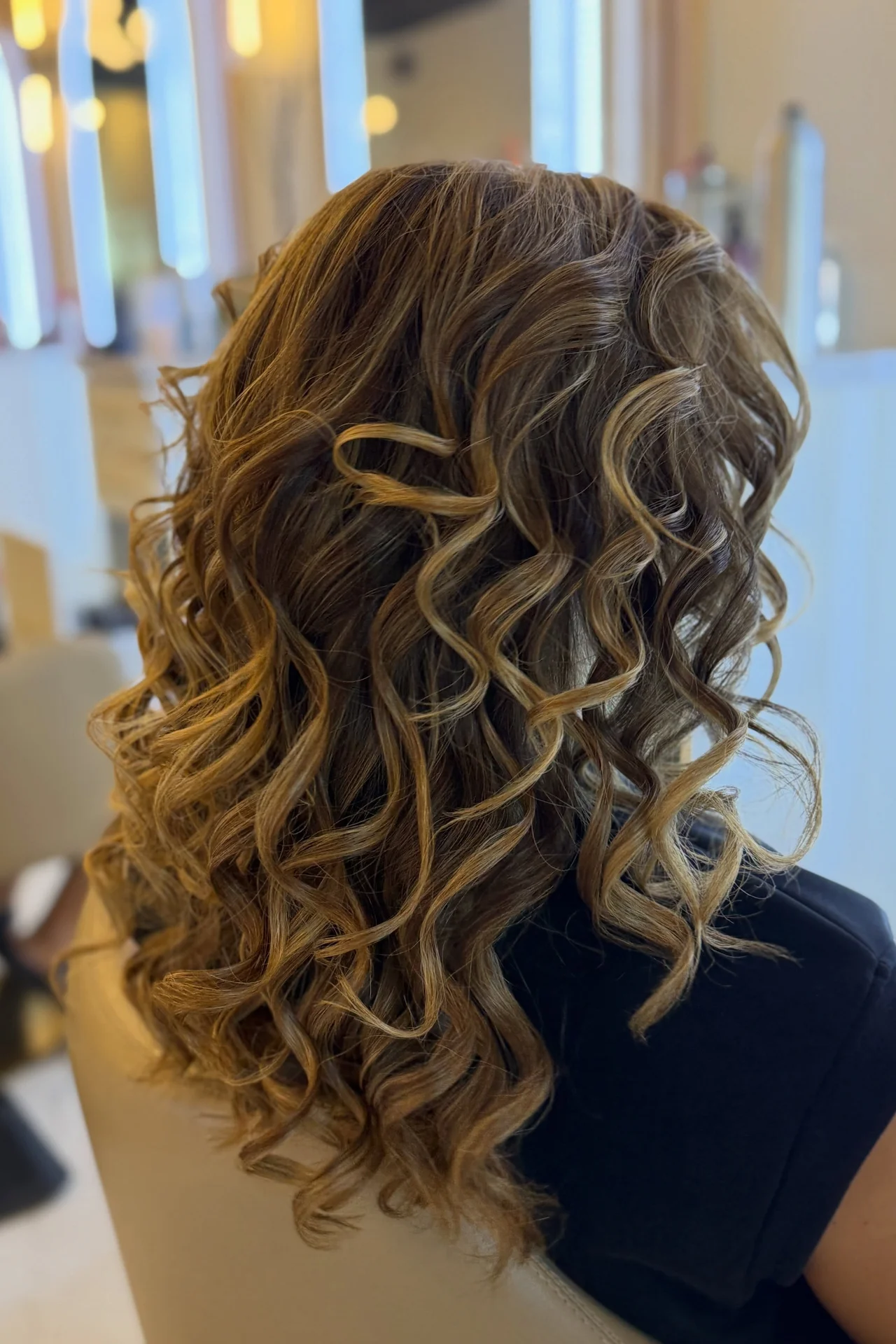
Winter wash day should be gentler than summer wash day. Washing less often helps, since every wash strips some natural oil, and curly hair needs that oil to stay supple. Washing every few days, with a refresh in between, keeps winter frizz lower than daily washing.
Very hot water lifts the cuticle and leaves curls rough, so lukewarm water and a cool rinse at the end gives a smoother finish. A weekly deep conditioner helps, especially on the ends.
Detangle with care while the conditioner is still in. Fingers or a wide tooth comb, working from the ends upward, breaks far fewer curls than brushing dry hair. Readers dealing with dry winter hair may also like the winter hair care routine for dry frizzy hair.
Layering Products That Seal Moisture
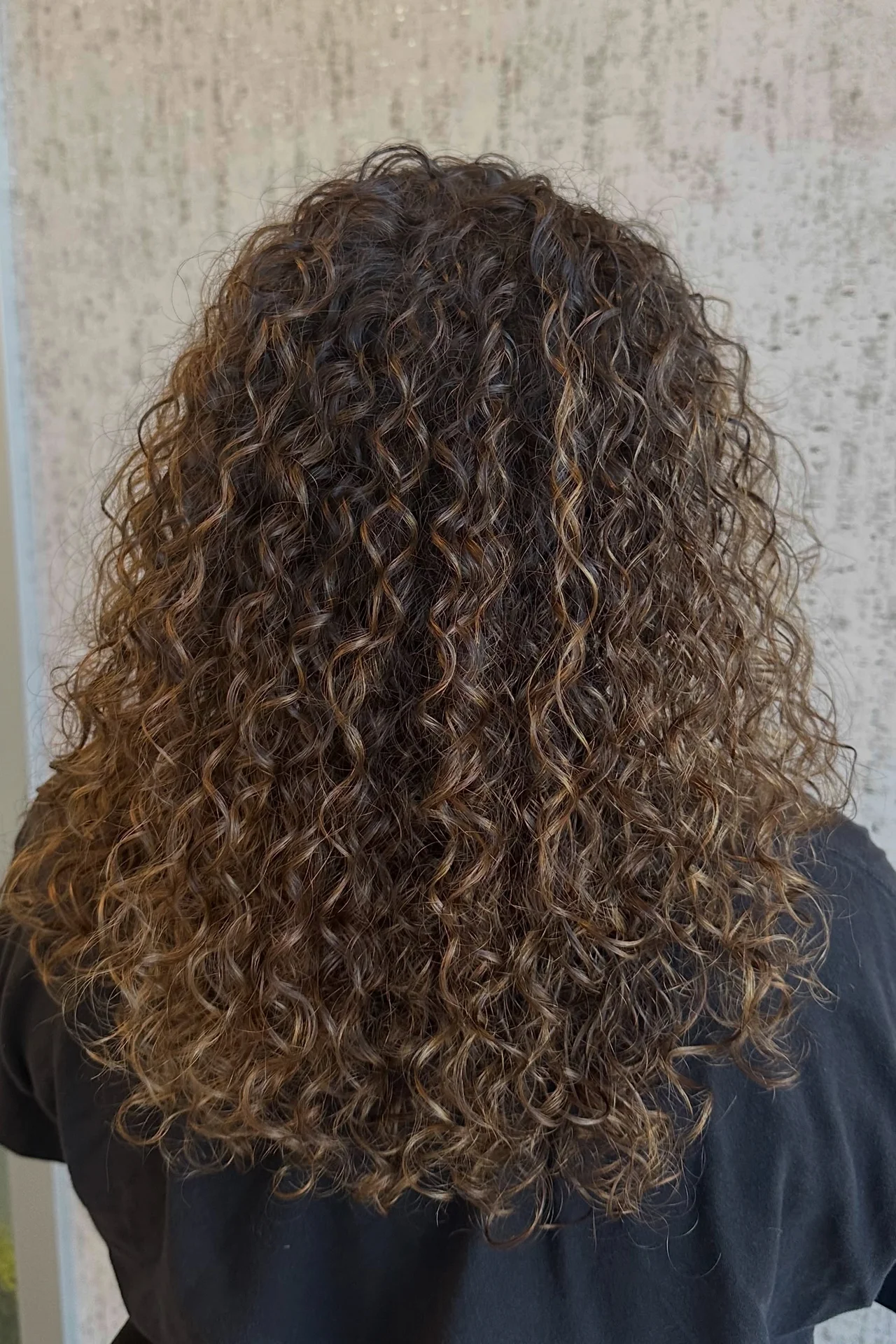
The order products go on matters as much as the products themselves. A leave in conditioner first gives curls a damp base, then a cream adds softness, and a light gel on top seals the layers in and holds the clump shape while it dries.
Use less than you think on fine curls and more on thick dense curls. Fine hair gets weighed down fast, so a small amount of cream and a light gel layer is plenty. Thick hair drinks product up, so add a second thin gel layer on the canopy.
Let the gel form a cast and scrunch it out once the hair is fully dry. That cast holds each clump together against dry air, so breaking it too early lets frizz back in.
Diffusing Without the Frizz
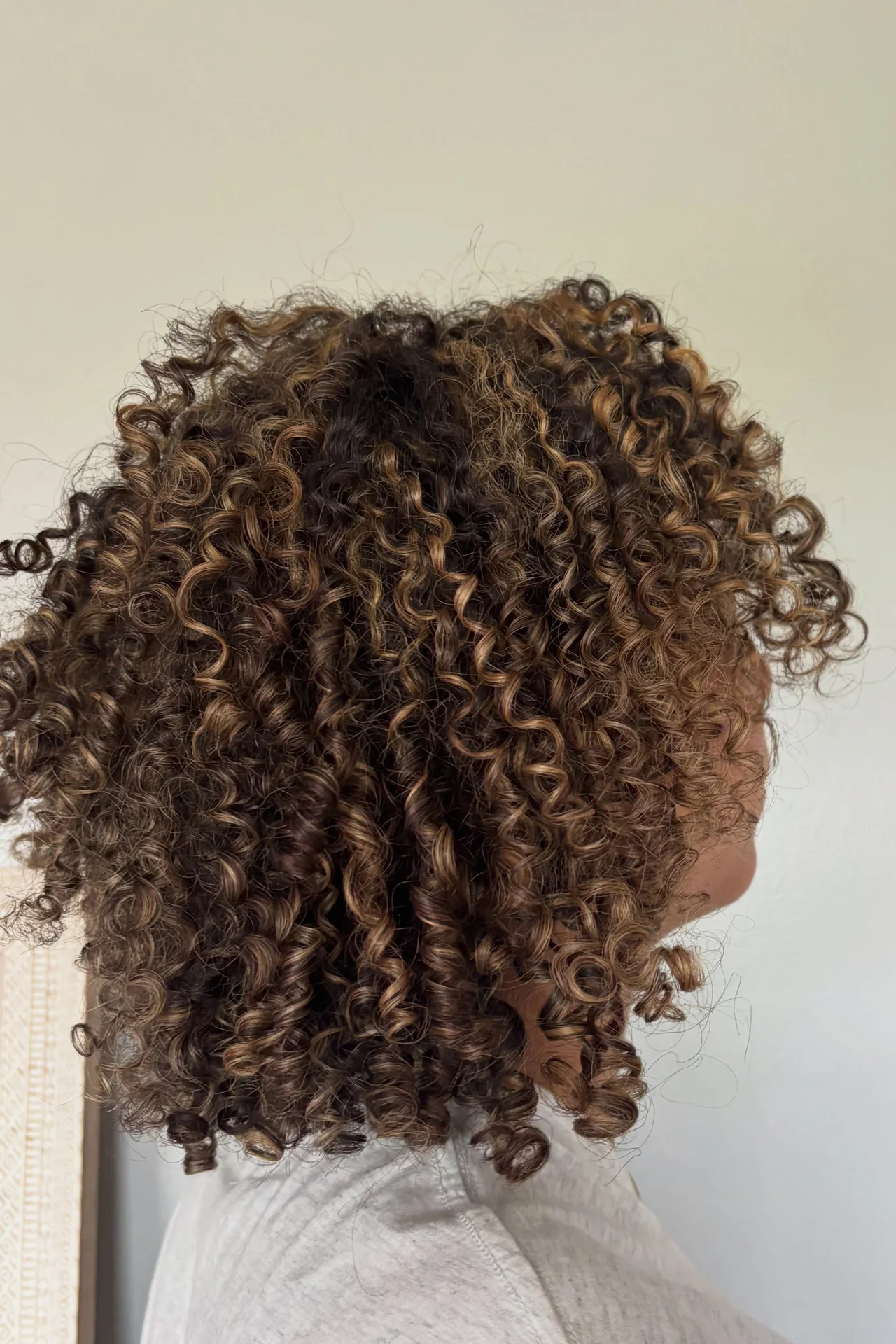
In winter, air drying can leave curls damp for hours, which invites frizz. A diffuser on low heat and low speed dries curls faster with far less disturbance than a regular dryer, and it keeps the curl shape intact.
Hover the diffuser around the hair first instead of pressing it into the curls. Once a cast forms, cup sections gently for volume. High heat and fast air blow clumps apart, so keep both settings low.
Finish with cool air for the last pass, which helps the cuticle lie flat and read as shine rather than fuzz. If the roots still feel damp when you head out, give them one more low heat pass.
Pineappling and Night Protection

Night is where a lot of winter frizz starts. Cotton pillowcases pull moisture out of curls and create friction all night, so by morning the canopy is fuzzy even if the curls underneath are fine. A satin or silk pillowcase, or a satin bonnet, removes most of that friction in one move.
Pineappling means gathering curls loosely on top of the head with a soft scrunchie before bed. The curls stay bunched together instead of spreading across the pillow. Shorter curls do well in a few loose twists or a bonnet alone.
Hats and Scarves That Do Not Crush Curls

Hats are a winter necessity, but most of them flatten curls and create static. A satin lined beanie solves both problems at once, since the smooth lining lets curls slide instead of catching.
Fit matters as much as lining. A hat that sits tight crushes the canopy no matter what it is lined with, so choose one with room, or pull it back behind the hairline.
Scarves deserve the same care. Wool against curls creates friction, so wrap a satin scarf around the hair first and let the wool scarf sit over it. When you come inside, take the hat off gently and shake the roots out with your fingers.
Refreshing Curls Between Washes
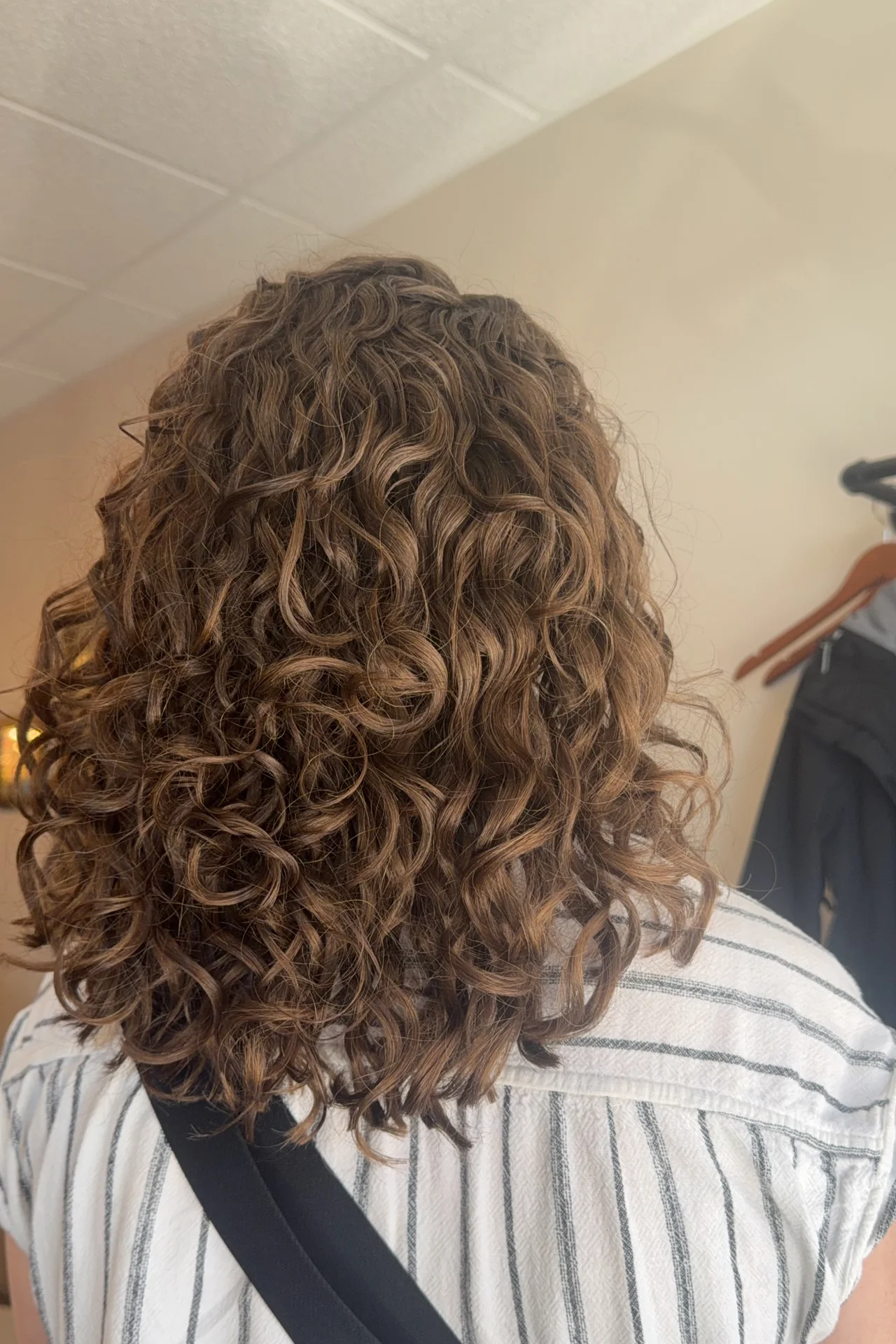
A light mist of water mixed with a little leave in conditioner wakes curls up without a full wash. Mist section by section, scrunch upward, and let it dry.
A small amount of cream on the canopy smooths the frizz that shows most, while the curls underneath usually need nothing. Work with your hands, not a brush, and keep the product light.
If the ends feel dry, a drop of oil smoothed over just the ends seals them without greasing the roots. Refreshing takes minutes once it becomes habit.
Mid-Day Fixes for Flattened or Frizzy Curls
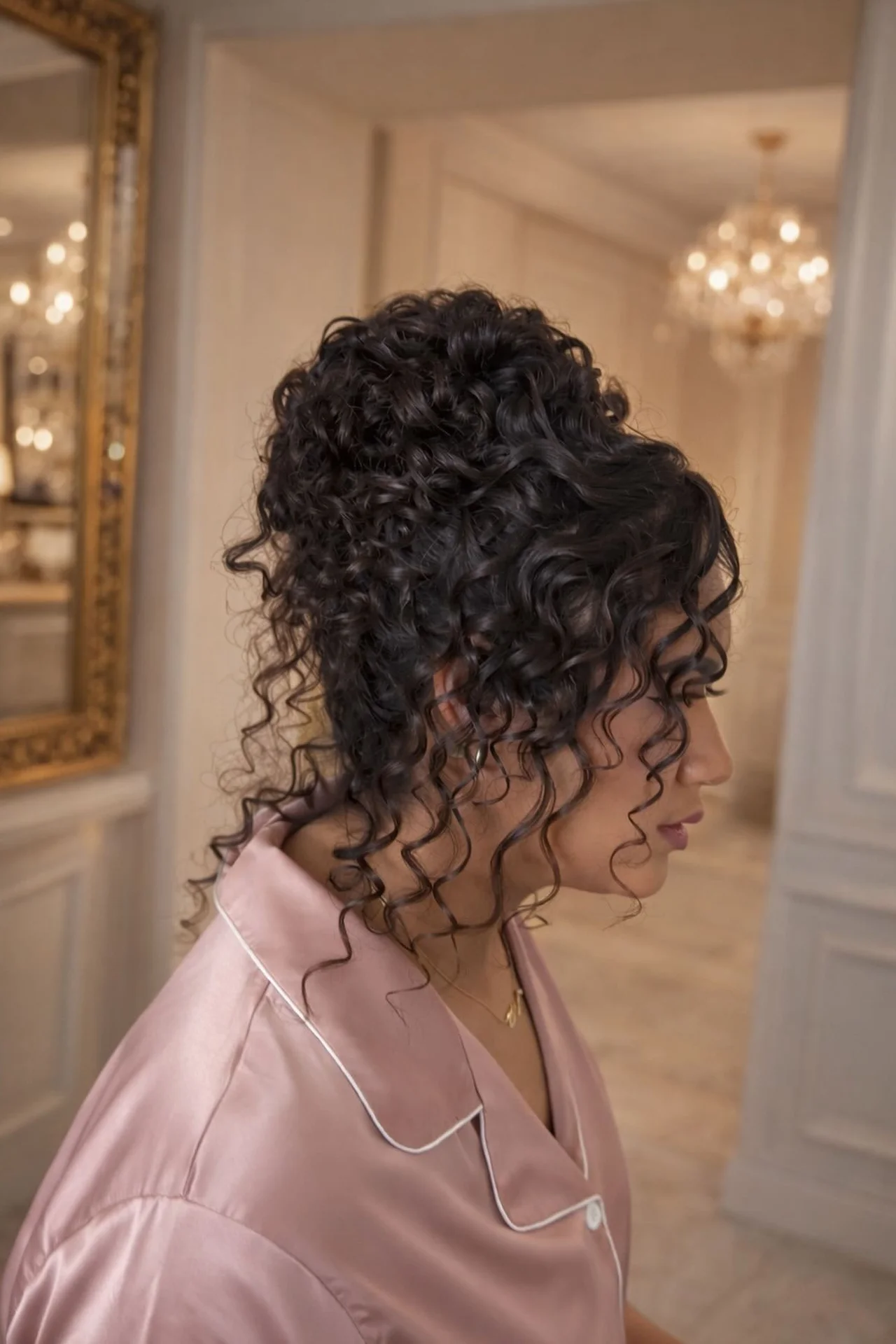
Mid-day frizz usually starts at the canopy, where hair meets hats, scarves, and dry office air. A few spritzes over the top layer, a gentle scrunch, and a minute to dry brings back definition without redoing the whole style.
Flattened roots respond to a different move. Flip the hair gently and massage the scalp with your fingertips to lift the roots. Volume comes back faster from the roots than from reworking the lengths.
When one section misbehaves, rewet just that section and twist it into a loose coil, then leave it alone until it dries. For general hair health habits, these gentle hair care tips are a useful reference.
A Simple Winter Curl Routine That Holds Up

Winter hairstyles for curly hair that prevent frizz do not need a long routine, just a consistent one. Wash with lukewarm water, condition well, and detangle gently while the conditioner is in. Layer leave in, cream, and gel on soaking wet hair, then diffuse on low.
Protect the style at night with a pineapple or a bonnet and a satin pillowcase, and refresh between washes with mist and a light cream. Wear a satin lined hat outdoors. Each step is small, but together they keep moisture in and frizz down.
Fine curls want lighter products and less layering, while thick dense curls need more moisture and more hold. No single routine gives perfectly smooth hair in harsh weather. The goal is curls that stay soft, defined, and healthy through winter.
Quick Answers
Why does my curly hair frizz more in winter?
Cold dry air and heated indoor air both pull moisture out of curly hair, which lifts the cuticle and breaks up clumps. Sealing moisture in with cream and gel reduces that effect.
Which protective styles work best for curly hair in winter?
Loose two strand twists, flat twists, loose braids, and loose low buns all protect the ends and hold up under hats. Keep tension gentle, since tight styles stress the hairline.
Should I wash curly hair less often in winter?
Washing every few days, with refreshes in between, usually keeps winter curls softer than daily washing. Every wash removes some natural oil that curly hair needs in dry air.
Do satin lined hats really help with frizz?
Yes, because the smooth lining lets curls slide instead of catching. A satin scarf worn under a regular hat gives the same protection.
How can I refresh curls without washing them?
Mist the hair lightly with water mixed with a little leave in conditioner, scrunch upward, and let it dry untouched. A small amount of cream on the canopy smooths visible frizz.