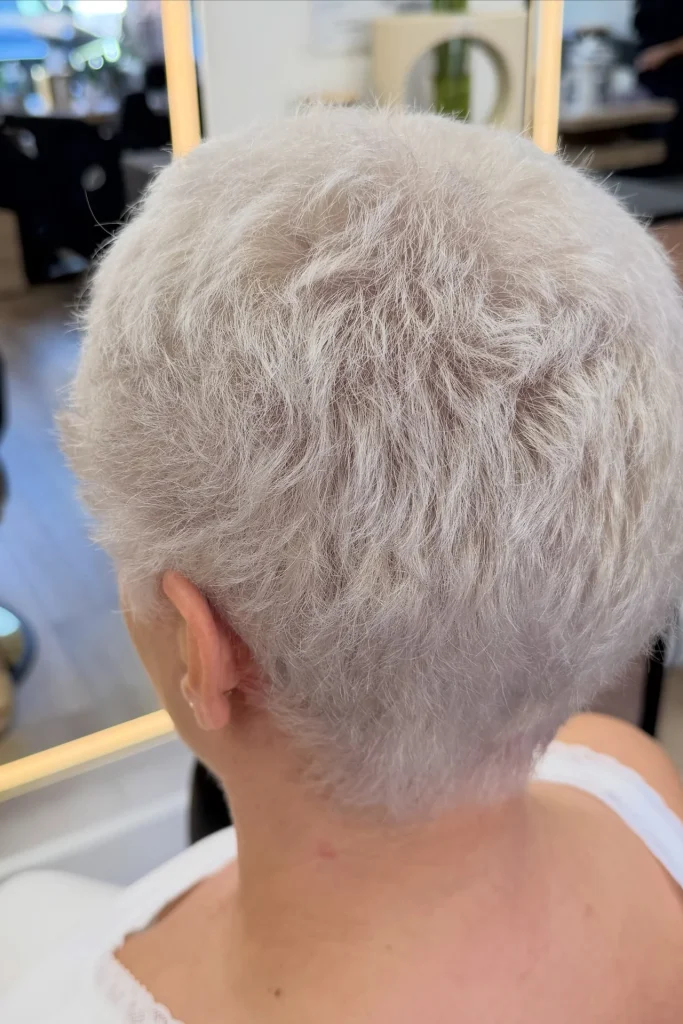
Silver does not happen by accident. It takes a plan, a patient colourist, and a routine that keeps the tone bright after you leave the salon. Done well, a silver pixie haircut looks deliberate and modern, not washed out.
The short length works in your favour. A pixie grows out fast, so a tone that goes wrong can be corrected sooner than it could on long hair.
The colour still needs care, though. Silver fades, it can turn yellow, and it shows roots sooner than a darker shade.
These eight silver ideas cover the real choices: which shade, how you get there, and how much upkeep you are signing up for. Pick the silver that fits your base colour, your skin tone, and your routine.
Table of Contents
Platinum Silver Pixie That Stays Bright
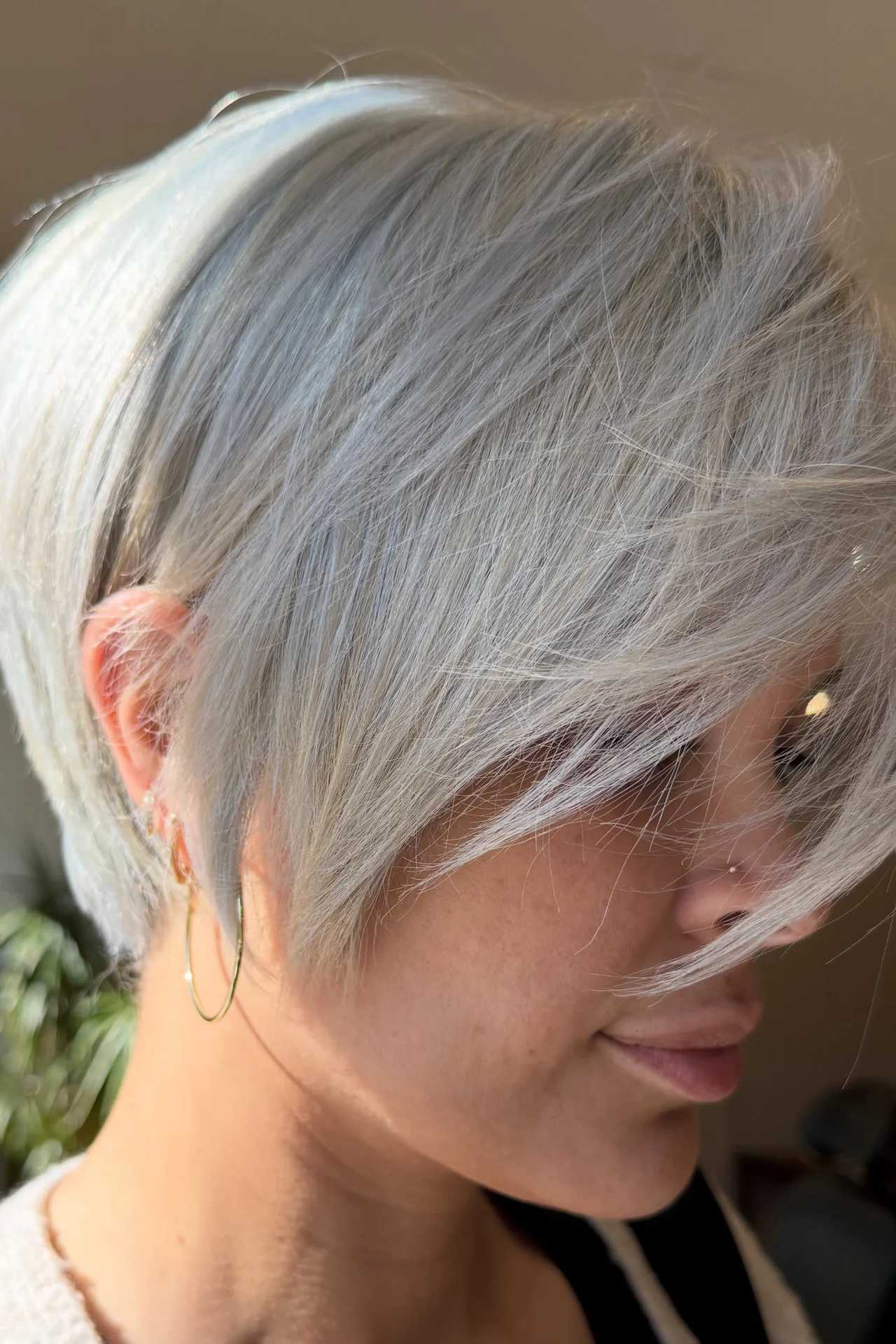
Platinum silver is the boldest version of the look. It is almost white, with just enough cool tone to read as silver rather than blonde. It suits fair skin best, because the contrast stays soft instead of harsh.
Getting there takes lightening, usually in more than one sitting. Your colourist lifts the hair first, then tones it to silver. If your hair is dark, expect a slower journey, not a single appointment.
Keep it bright with a purple shampoo once a week, not every wash. Too much purple can turn silver muddy. A clear gloss between appointments also helps the shine last longer.
Smoky Silver Pixie for Softer Contrast
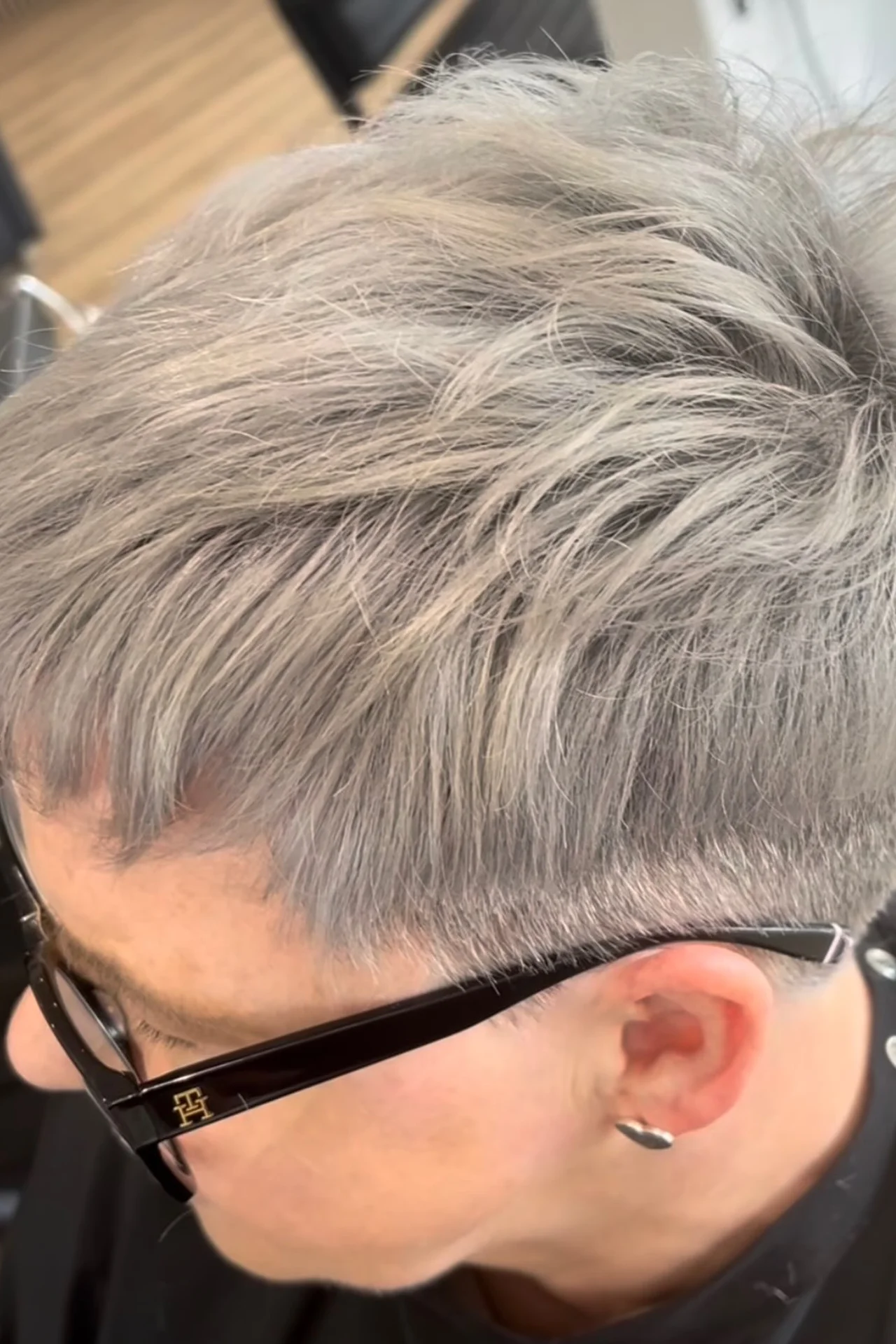
Smoky silver sits a step darker than platinum. It has a grey, almost charcoal depth that makes it easier to wear every day. It suits medium skin tones well, because the contrast is gentler.
This shade is kinder to hair that cannot take full lightening. Your colourist can work with a darker base and still reach a believable silver. The result looks intentional, not half finished.
Smoky silver also grows out more quietly than platinum. The darker tone blends with regrowth, so you get more weeks between appointments. It is a good first silver if you are not sure how bold you want to go.
Silver Pixie With Dark Roots for Easier Grow-Out
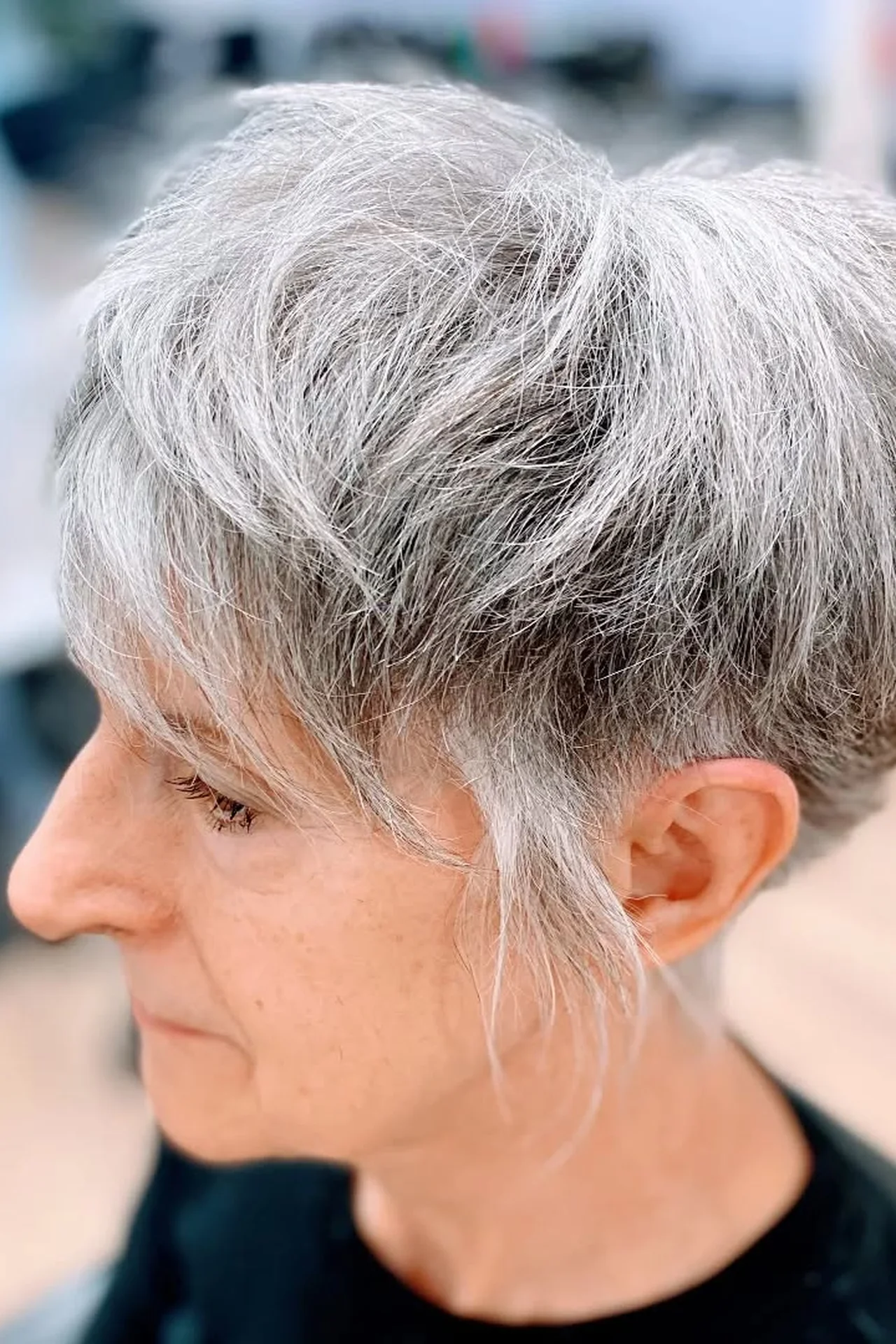
Dark roots change the whole upkeep picture. Instead of a solid silver from scalp to ends, the roots stay close to your natural colour. The silver starts a little lower down, which makes regrowth far less obvious.
This version suits anyone who cannot visit the salon every few weeks. You still get the silver impact, but the grow-out looks planned rather than neglected. It also protects your hair, because the roots are not lightened each time.
Ask for a soft blend, not a hard line. A melted root keeps the transition smooth. If the line is too sharp, the style looks like two separate colours instead of one deliberate look.
Silver Pixie Blended From Natural Grey
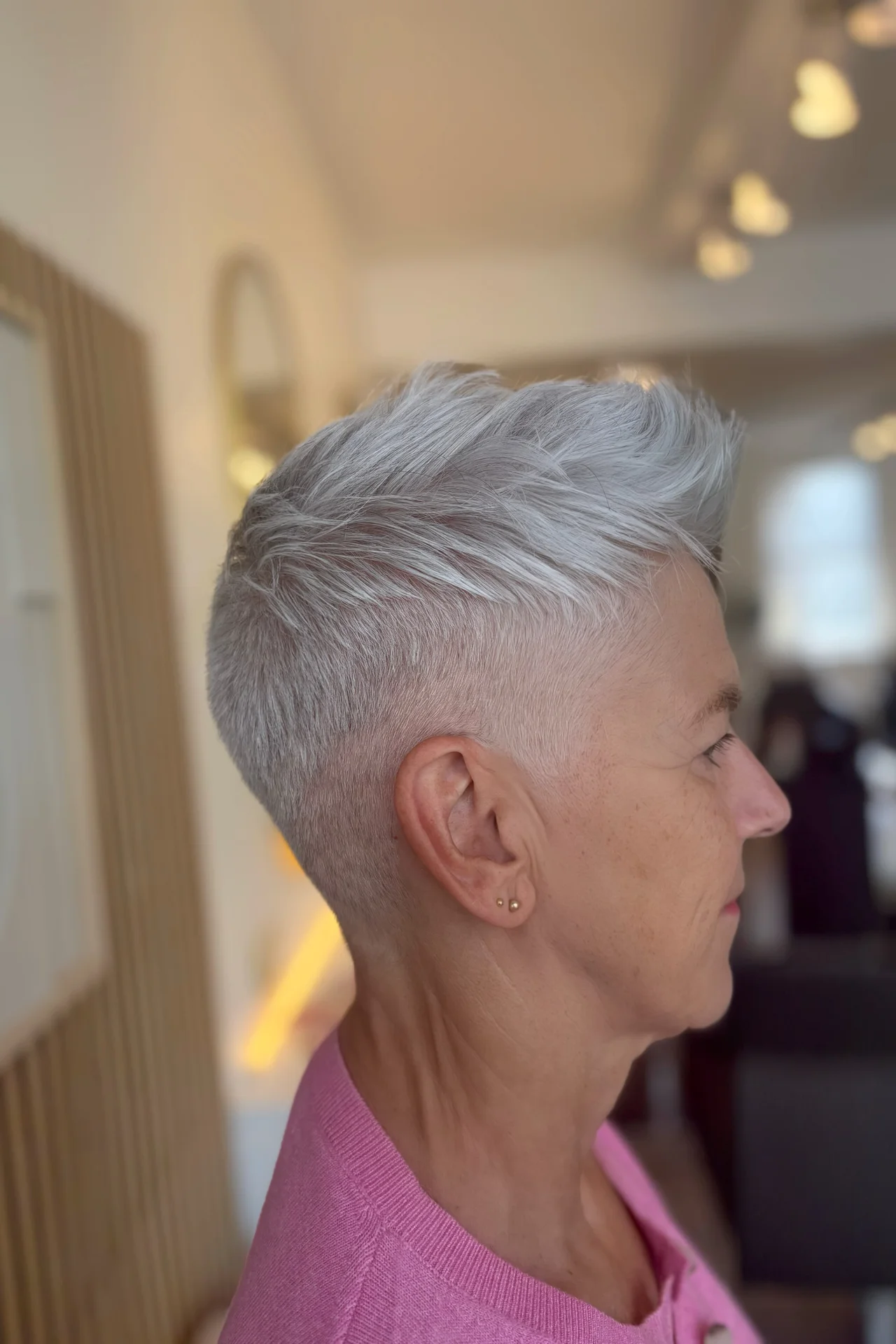
If your hair is already going grey, silver can be a way to work with it rather than cover it. A colourist can blend the natural grey with silver toner so the whole pixie reads as one even shade. The result looks natural because it partly is.
This route often needs less lightening than a full silver dye job. Grey hair is already light, so the colourist mainly evens out the tone. Some sections may need a little lift, but the process is usually gentler.
Maintenance is simpler, too. As your natural grey grows in, it blends with the silver instead of clashing with it.
You still need toning, but the appointments can be further apart. Read how to choose a haircut for your face shape before your appointment if you are also changing the cut.
Silver Pixie on Warm Skin Tones
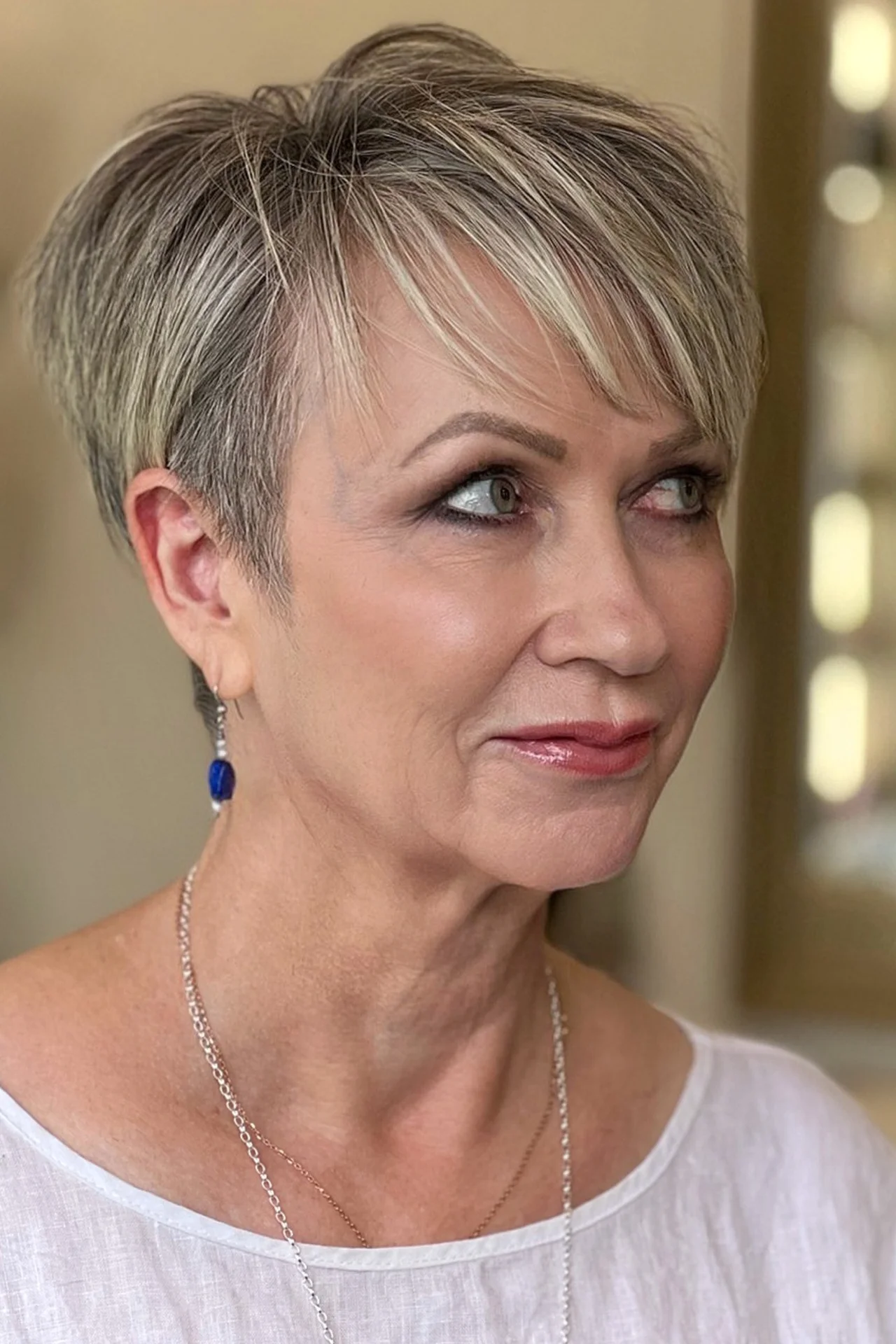
Warm skin and silver can work together, but the shade matters. A very icy platinum can clash with warm undertones and make skin look tired. A slightly warmer silver, with a hint of pearl, usually sits better.
Ask your colourist to test the tone against your skin in daylight, not just under salon lights. Salon lighting can flatter a shade that looks cold at home. A small face-framing section is a useful test before committing to a full head.
Makeup can help, too. A warmer blush or lip colour balances a cool silver. You do not need a full routine change, just a little warmth where the hair meets the face.
Silver Pixie for Fine Hair That Needs Texture
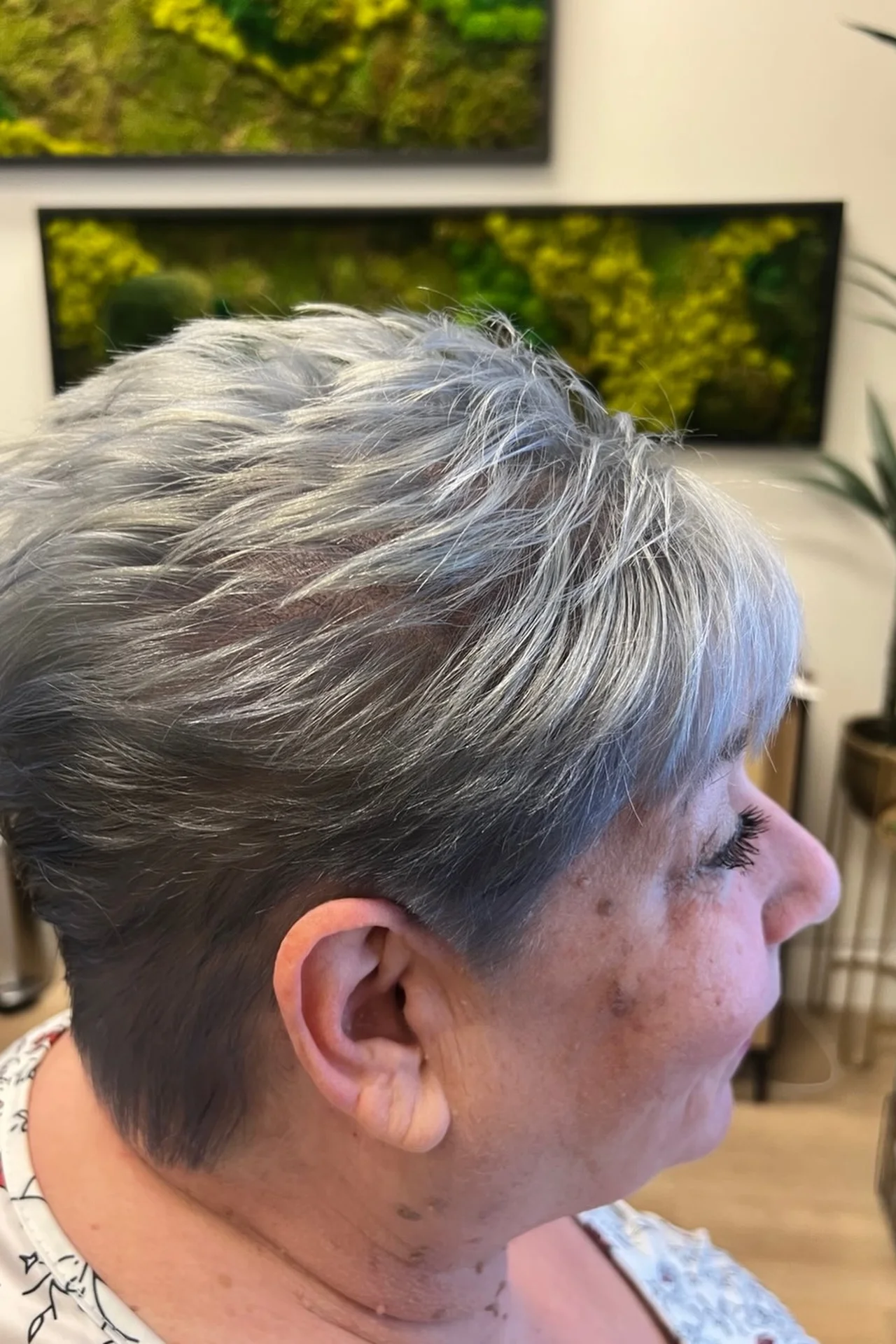
Fine hair can actually suit a silver pixie very well. The short cut adds structure, and the colour gives fine strands more visual depth. A flat silver can look thin, though, so texture matters.
Ask for choppy ends rather than a blunt, heavy outline. Short layers through the crown lift fine hair and stop it lying flat. A little texture paste, used sparingly, holds the shape without weighing it down.
Colour-wise, a silver with slight dimension beats a single flat tone. A touch of darker silver underneath gives fine hair the illusion of thickness. It is a small detail that makes a big difference in photos and in person.
Keeping Silver From Turning Yellow
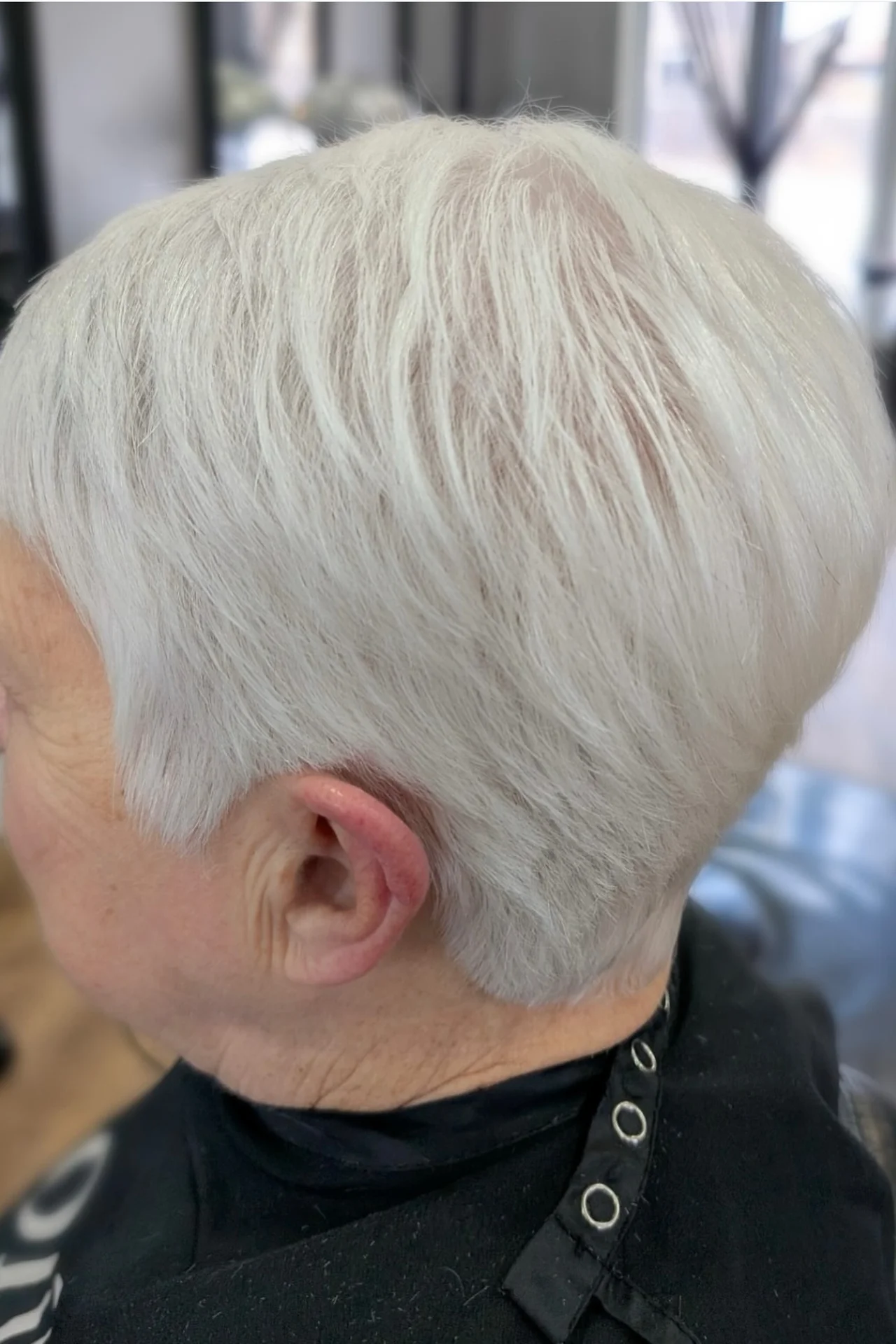
Yellowing is the most common silver problem. It comes from hard water, heat styling, and sun, and it creeps in slowly. One week the silver looks bright, the next it looks warm in a way you did not ask for.
A purple shampoo is the first defence, used once a week or once a fortnight depending on how fast your hair warms up. Leave it on for a few minutes, then rinse well. Overuse can leave a lavender cast, so start sparingly.
Heat is the second culprit. Turn down hot tools and use a heat protectant every time.
Sun matters as well, so a hat on long bright days is worth more than another round of toner. Dermatologists share tips for healthy hair that are worth a quick read before you change your routine.
Silver Pixie Upkeep Between Appointments
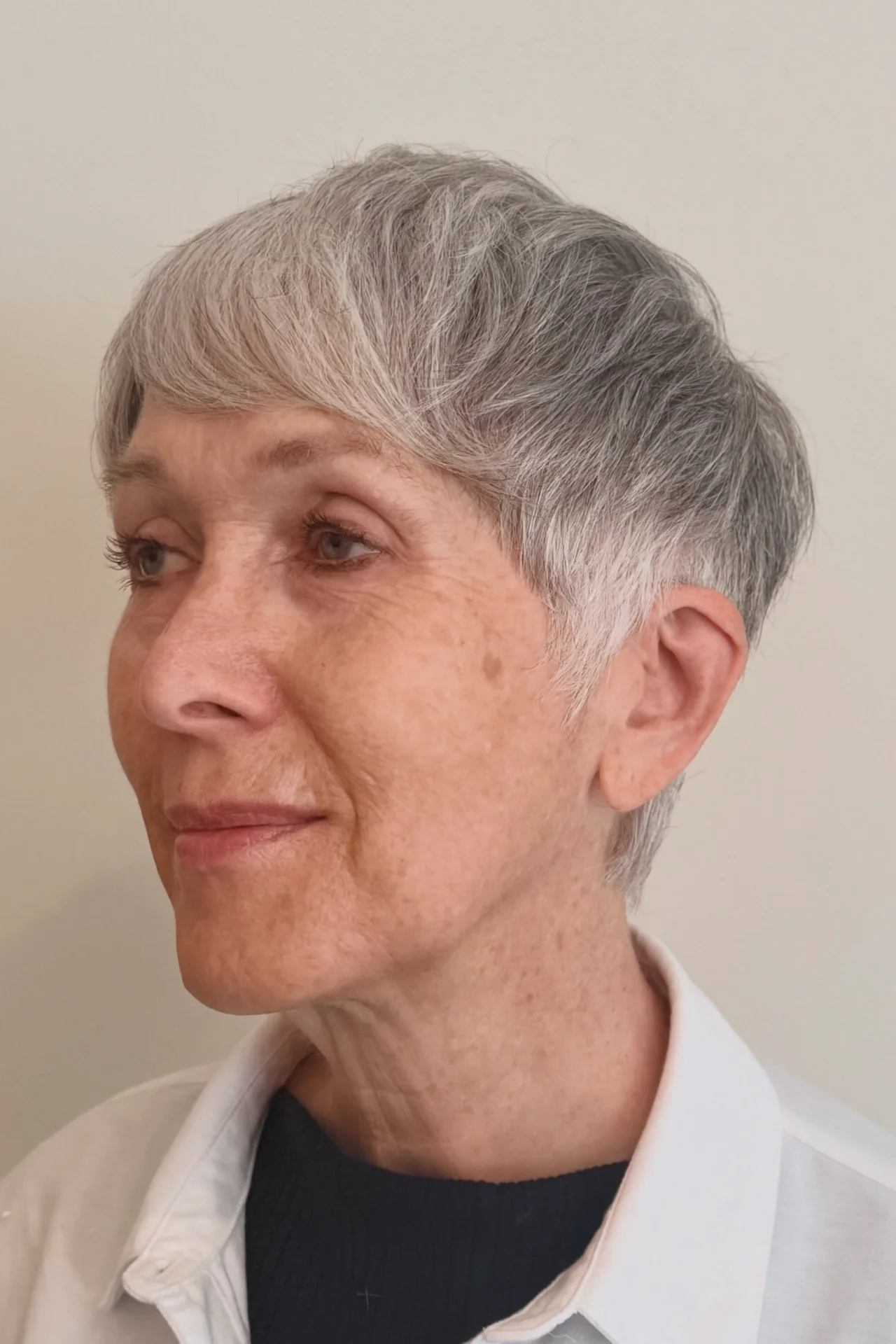
Silver upkeep is less about products and more about timing. A pixie grows fast, so the shape needs a trim every four to six weeks. Without it, the cut loses its edge and the colour starts to look untidy at the roots.
Toning appointments sit between full colour sessions. A toner refreshes the silver without another round of lightening, which protects the hair. Most people need one every four to eight weeks, depending on how fast their silver warms up.
At home, keep washing gentle. Cooler water, a colour-safe shampoo, and less frequent washing all slow fading.
Dry shampoo can stretch the gap between washes, which helps the tone last. A simple routine, kept up, beats an expensive shelf of products used once.
Choosing Your Silver Pixie: Shade, Base, and Upkeep
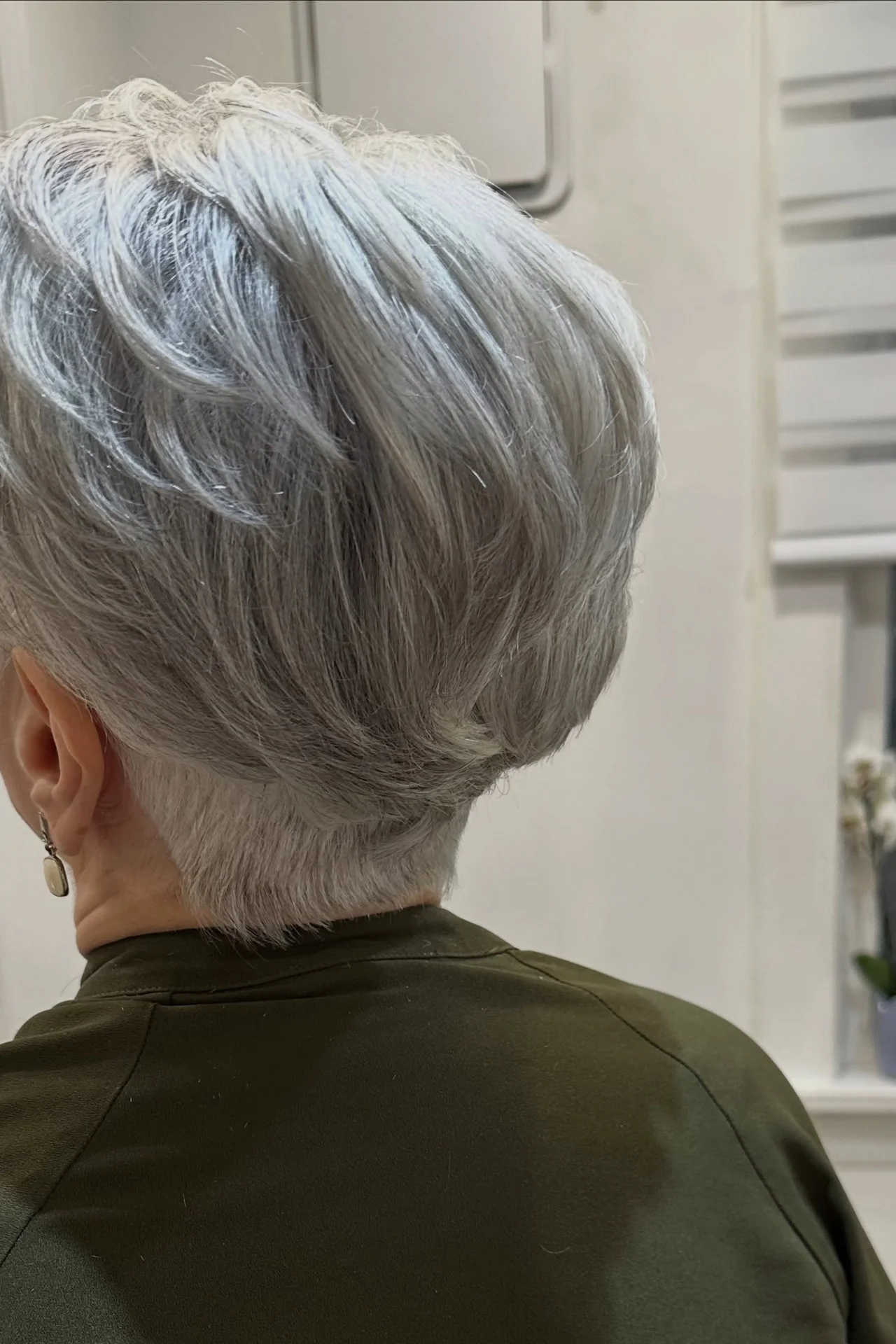
Start with your base colour, not a photo. Dark hair needs more lightening to reach silver, which means more appointments and more care. Light or already grey hair gets there faster, with less damage along the way.
That starting point decides what a silver pixie haircut costs in time, not just in money.
Then be honest about upkeep. Platinum needs the most attention. Smoky silver and dark roots need less.
If you know you will not tone regularly, pick the lower-maintenance version, even if the bolder shade tempts you. A silver pixie haircut rewards that honesty.
Skin tone is the final check. Cool skin takes icy silver easily. Warm skin usually suits a softer, pearl silver better.
A colourist who tests tones in daylight is worth more than a colourist who promises any shade in one sitting.
If you are torn between silver and a warmer colour, compare it with copper hair and caramel highlights before deciding. Silver is cooler and higher maintenance than both, but nothing else gives quite the same statement on a short cut.
Quick Answers
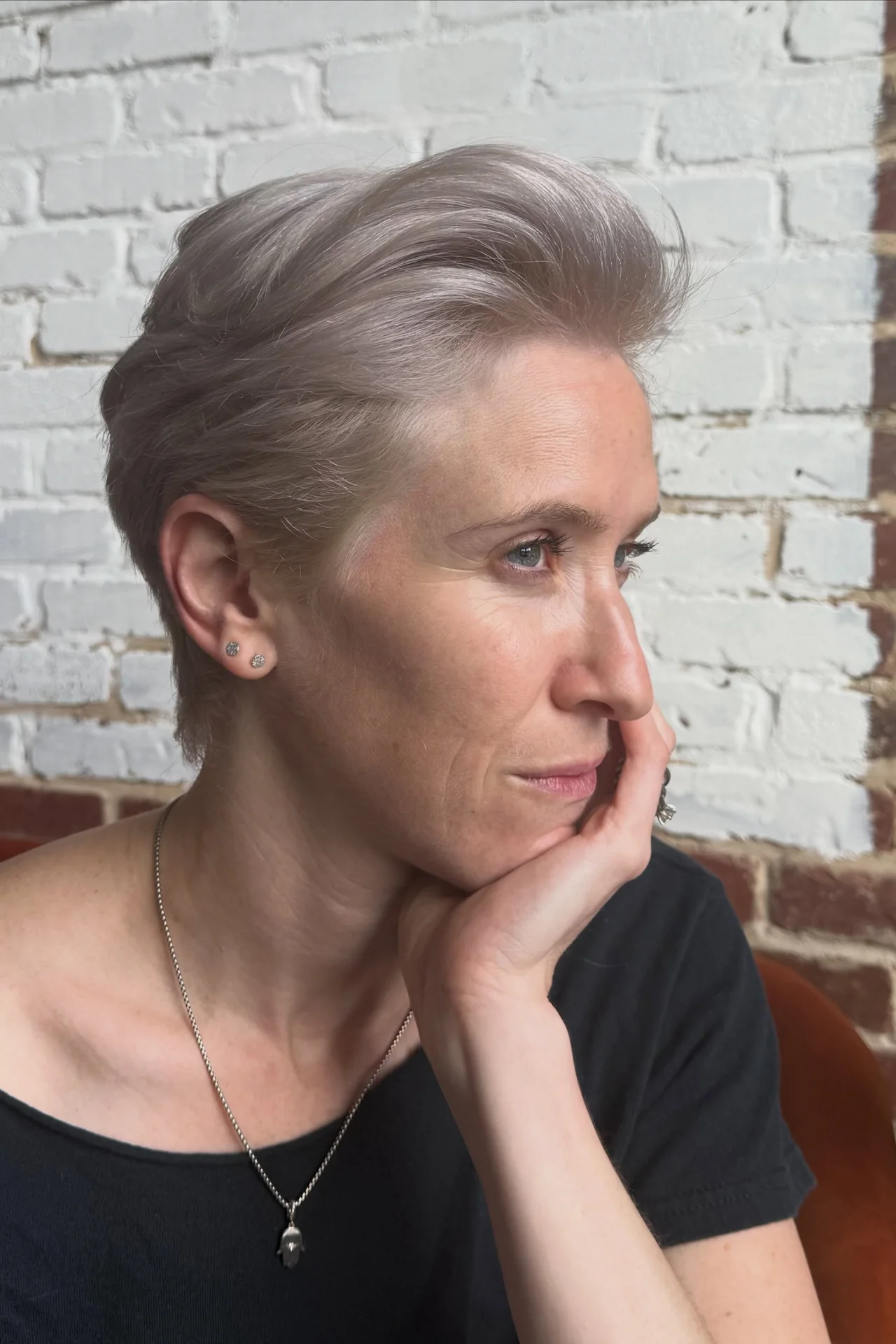
Does a silver pixie haircut suit older women?
Yes. Silver on a pixie is a classic combination, and it works at any age. The key is the shade: softer silver flatters most faces, while platinum suits those who want a bolder look.
Will silver damage my hair?
Lightening can dry hair out, especially on dark bases. A slower journey, regular trims, and gentle home care keep damage low. Short hair helps, because damaged ends are cut away sooner.
How often does silver need toning?
Most silver pixies need a toner every four to eight weeks. Hair that yellows fast, or is washed in hard water, may need it more often. Purple shampoo at home stretches the gap between salon visits.
Can I go silver at home?
A full silver dye job at home is risky, especially on dark hair. Uneven lightening and brassy patches are common. A salon visit for the first silver, with home toning after, gives a far more even result.