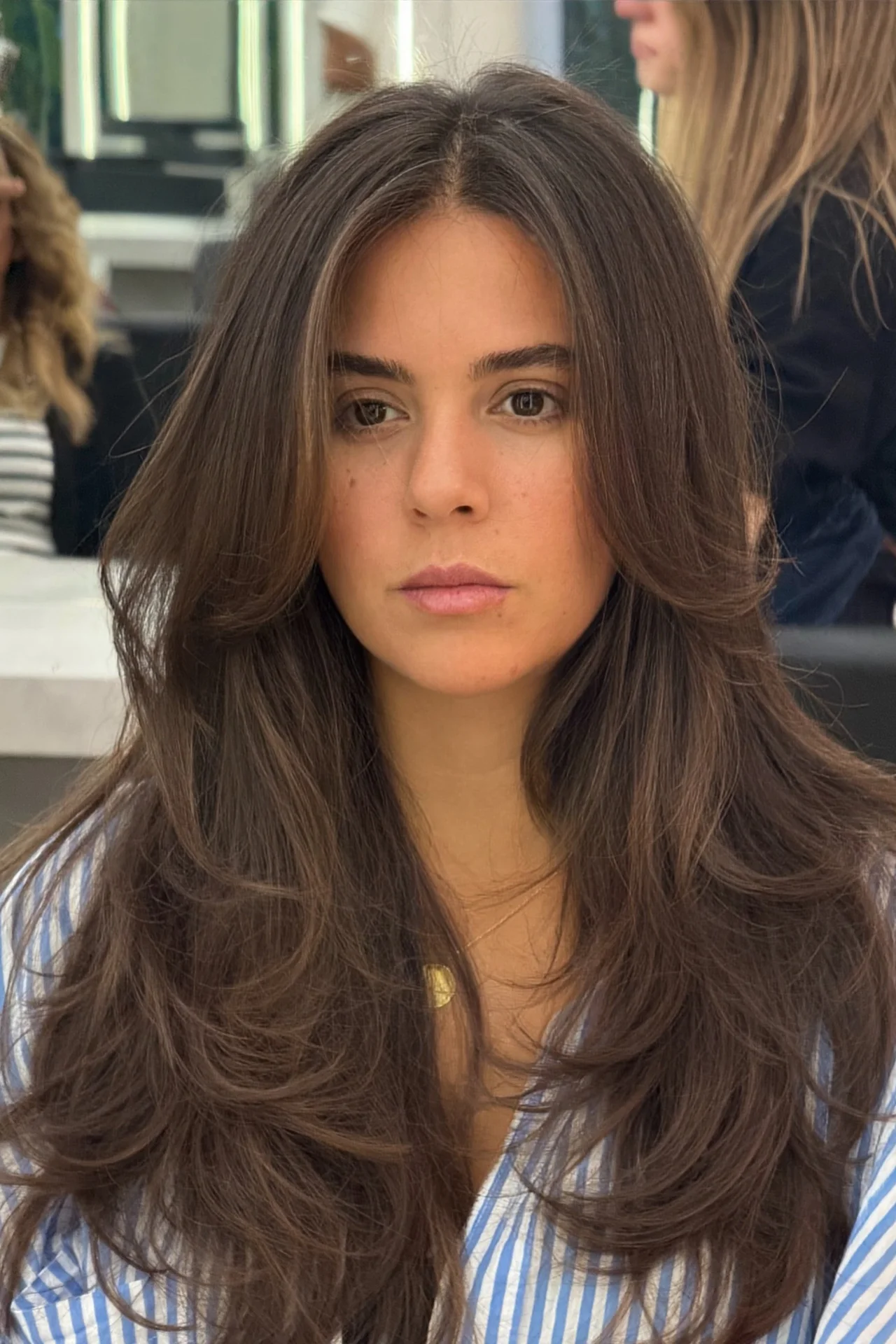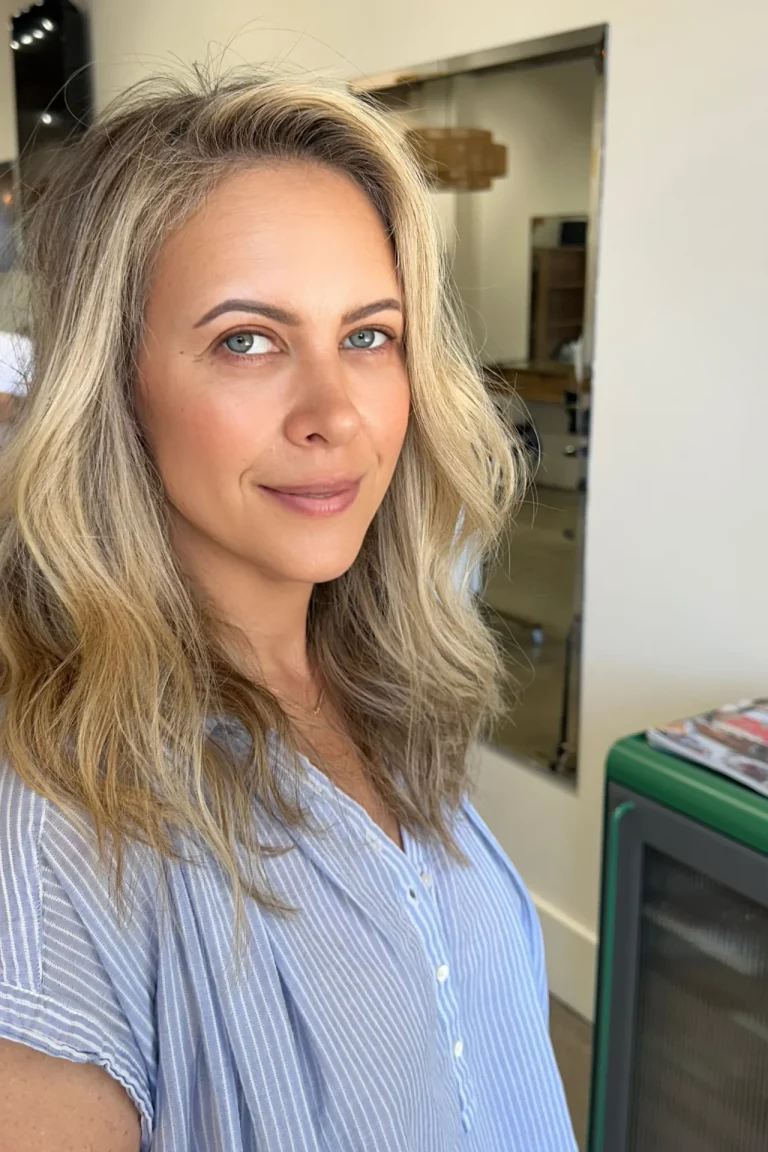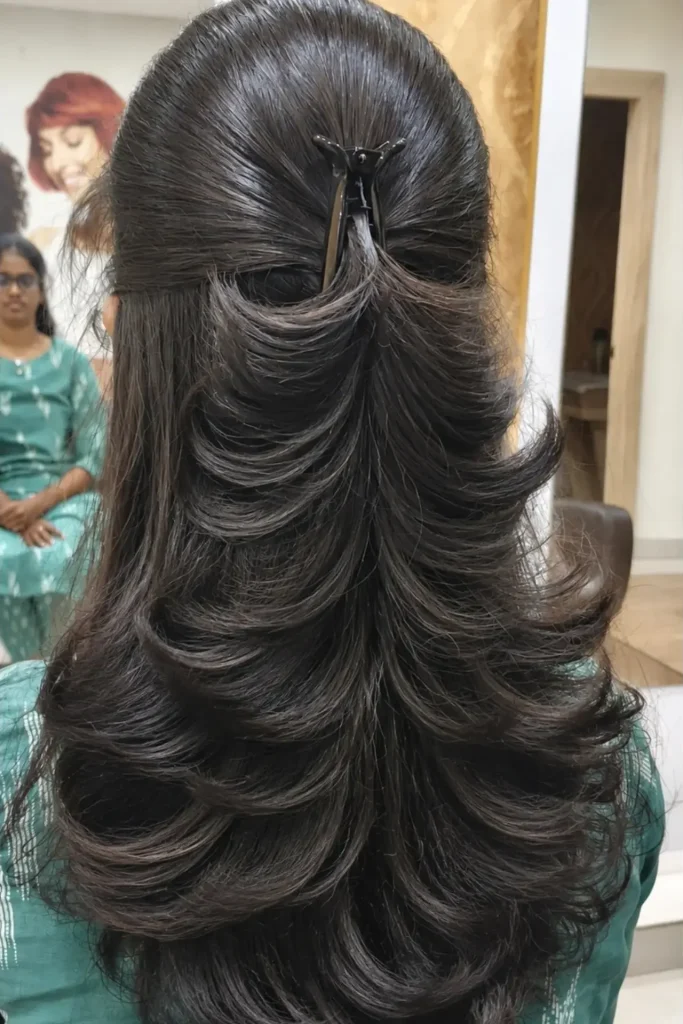
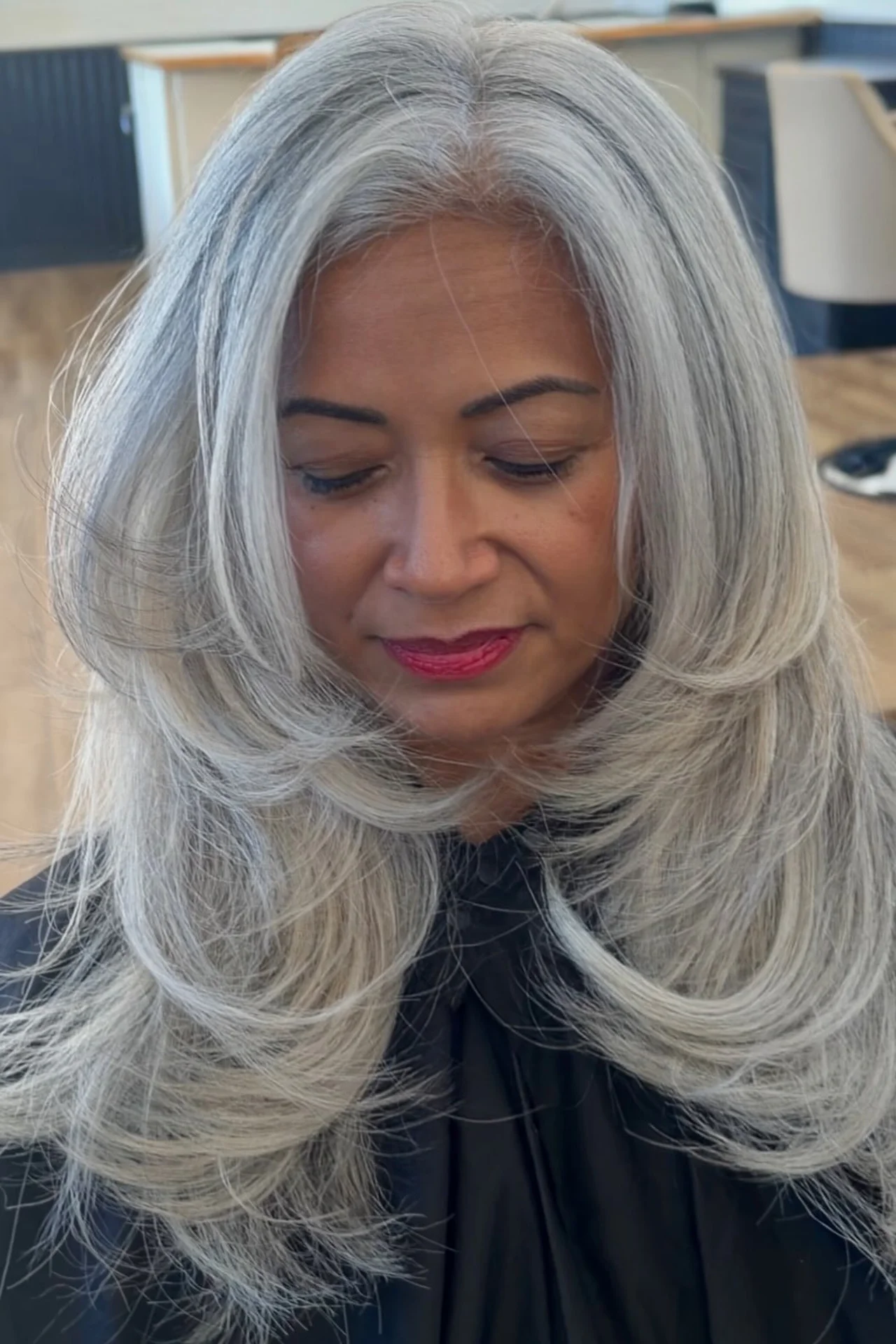
A curly butterfly haircut for women lets curls do what they want to do. Short layers around the face and crown lift the top, long layers through the back keep the length, and the whole shape moves instead of sitting in one heavy block.
It gets its name from the way those shorter front layers fan out like wings around the face. The back stays long, so from behind it still reads as long hair, while from the front it looks light and full of air.
Table of Contents
What Makes It a Butterfly Cut
A butterfly cut is really two lengths working together. The top section is cut shorter, usually around the chin or cheekbones, and those pieces frame the face. The bottom section stays long, so you keep your length while the top gets all the movement.
On curly hair, that split matters even more. Curls need room to spring up, and when every strand is one length, the weight pulls the top flat and the ends turn into a triangle. Shorter layers on top take that weight off, so the crown curls can lift and the longer curls below fall in soft ribbons.
It is not a shag or a wolf cut, even though all three love layers. A butterfly cut keeps its outline tidier and its longest layers longer, so the shape reads soft and full rather than choppy.
Why Curls Love These Layers
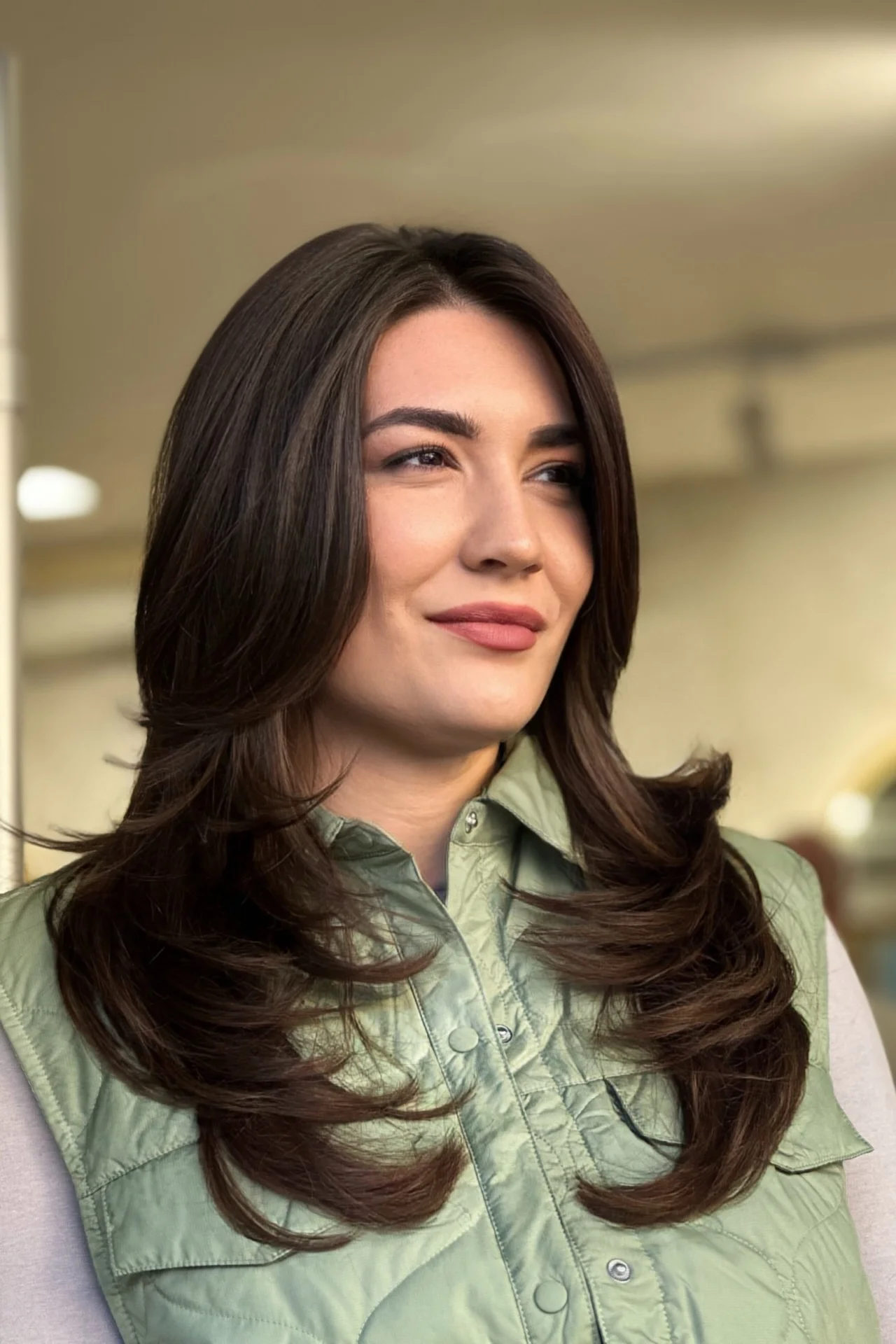
Curls and layers are a natural pair, because a curl pattern already wants to move in different directions. Layers give each curl its own space instead of forcing them to clump into one solid mass, and that space turns heavy hair into bouncy hair.
The face-framing pieces do the most visible work. They open up the face, show off the curl pattern right where people look first, and stop the hair from falling forward in a curtain. Shorter layers through the crown add height and keep the shape from going flat on top.
The Length Question
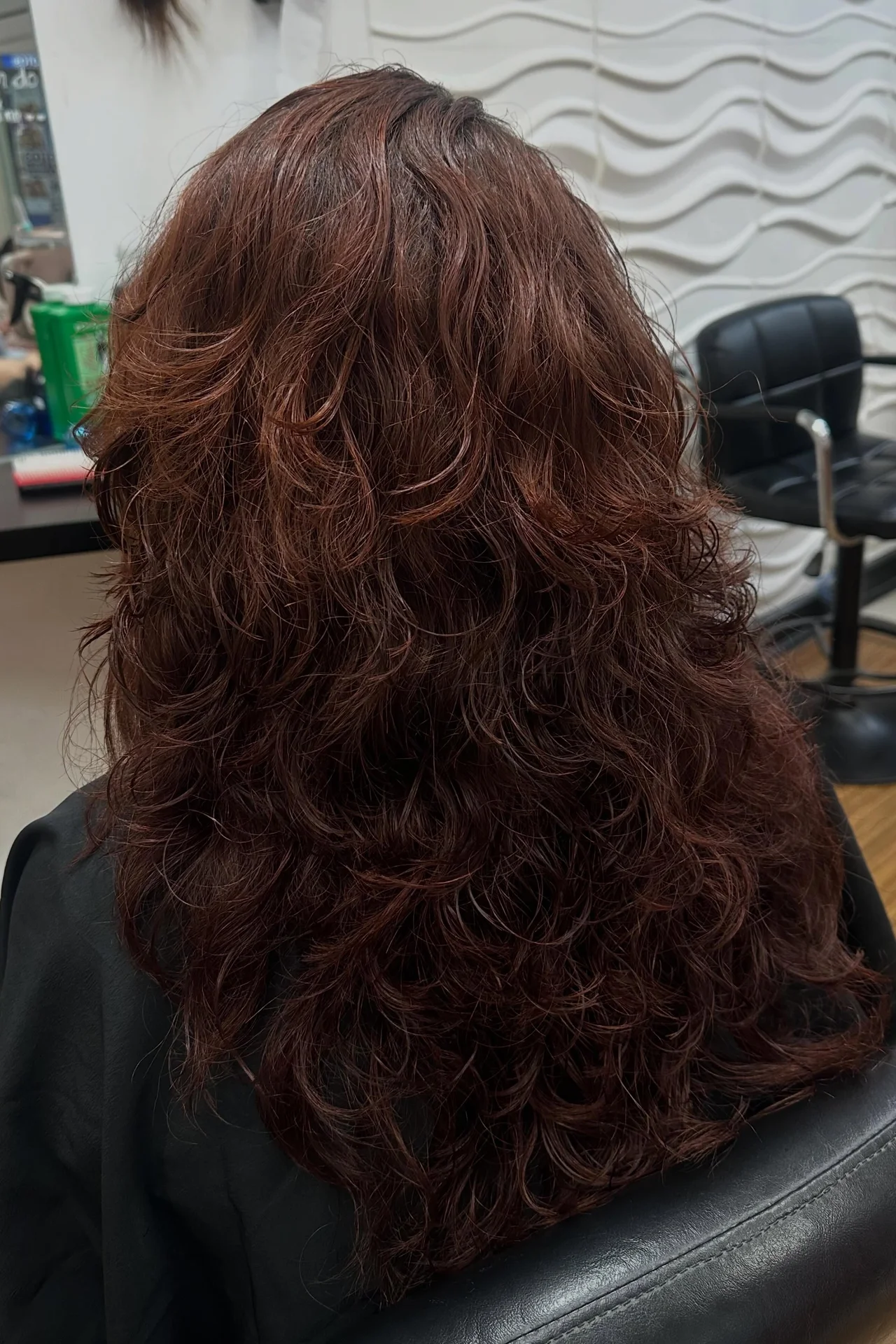
Shrinkage is the first thing to talk about with this cut, because curls spring up as they dry. A layer cut to the chin while wet can sit closer to the cheekbone once dry. That is normal, and a good stylist plans for it.
Ask your stylist to cut your hair dry or mostly dry if they offer it, since that shows the true finished length. If the cut is done wet, agree on how much extra length to leave, and be honest about how you usually wear your hair.
Length also changes how the shape reads. Shoulder-length and longer hair shows the two-length effect best. Shorter curls can still wear the cut, but the wing effect is softer.
Face Shapes It Flatters
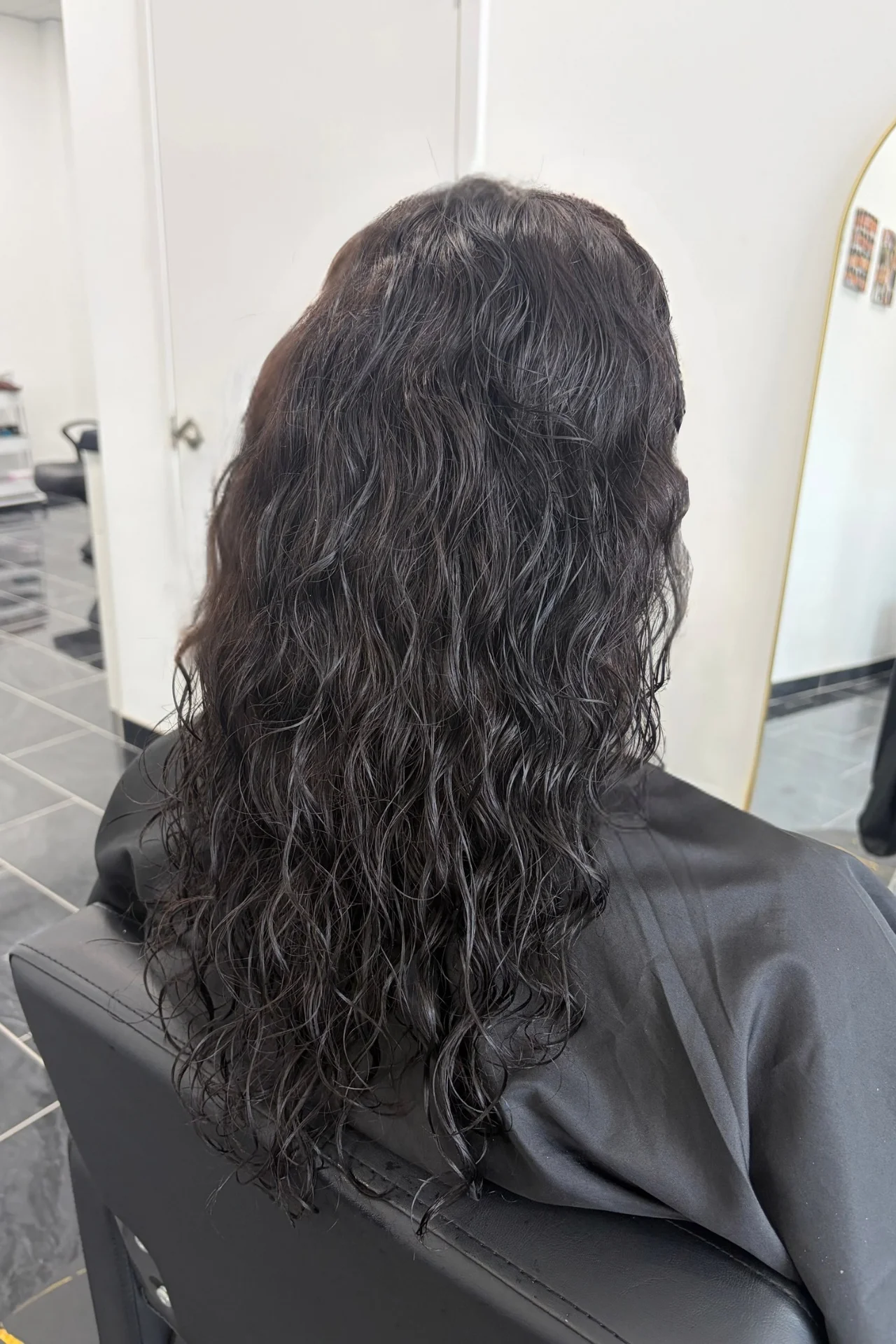
This cut is forgiving across face shapes, because the layers can be moved to suit the face in front of them. Round faces get a lift from layers that start at the cheekbones and fall past the jaw. Longer faces suit a little more width at the sides, with fuller layers around the cheeks.
Square faces soften with curved, face-framing pieces that round off the jawline instead of cutting straight across it. Heart-shaped faces suit layers that add fullness lower down, balancing a wider forehead with volume through the mid lengths and ends.
Hair texture matters as much as face shape. Loose waves show the layering most clearly, tighter curls get the most lift, and very dense hair needs careful thinning inside so the shape stays light.
Butterfly Cut Versus a Shag
A shag and a butterfly cut share a love of layers, but they land differently. A shag piles on short layers through the crown, often with a fringe, and aims for an undone, edgy finish. The butterfly cut keeps its layers longer and its outline smoother, so the result reads as polished volume.
The fringe is the clearest difference. Shags often come with one, while butterfly cuts usually skip it and let the face-framing layers do that job instead. If you like layers but not the idea of styling a fringe every morning, the butterfly cut is the calmer choice.
Butterfly Cut Versus Long Layers
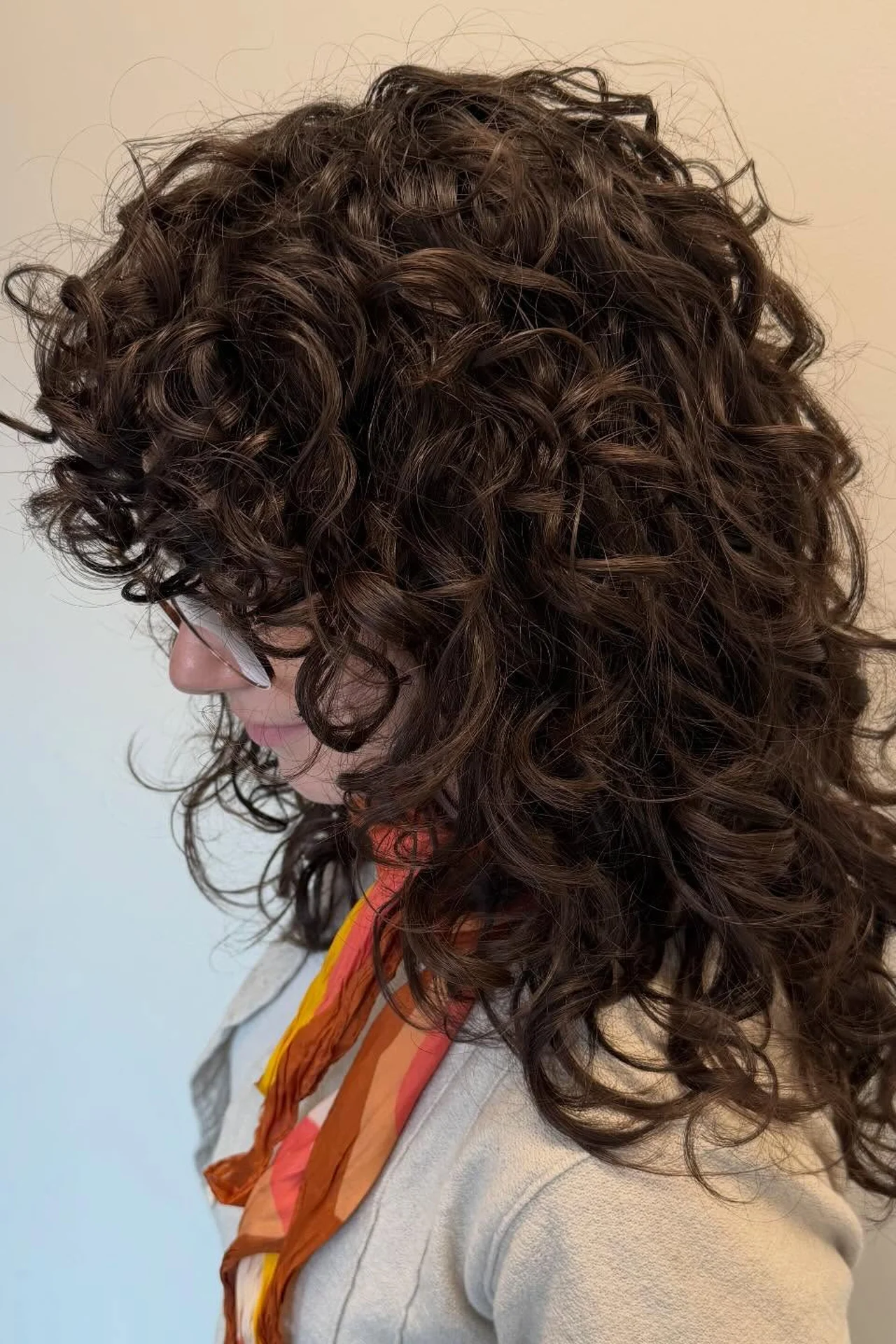
Long layers and a butterfly cut can look alike from behind, since both keep the length and add movement. The difference sits at the front. Long layers are usually gentle and spread through the whole head, while a butterfly cut deliberately cuts the top section much shorter, so the front layers are a real feature, not just a softening.
That shorter top is what gives the butterfly cut its lift. Long layers alone can leave curly hair flat at the crown, because the weight still pulls down from above. The butterfly cut removes that weight right where lift matters most.
Asking Your Stylist for the Cut
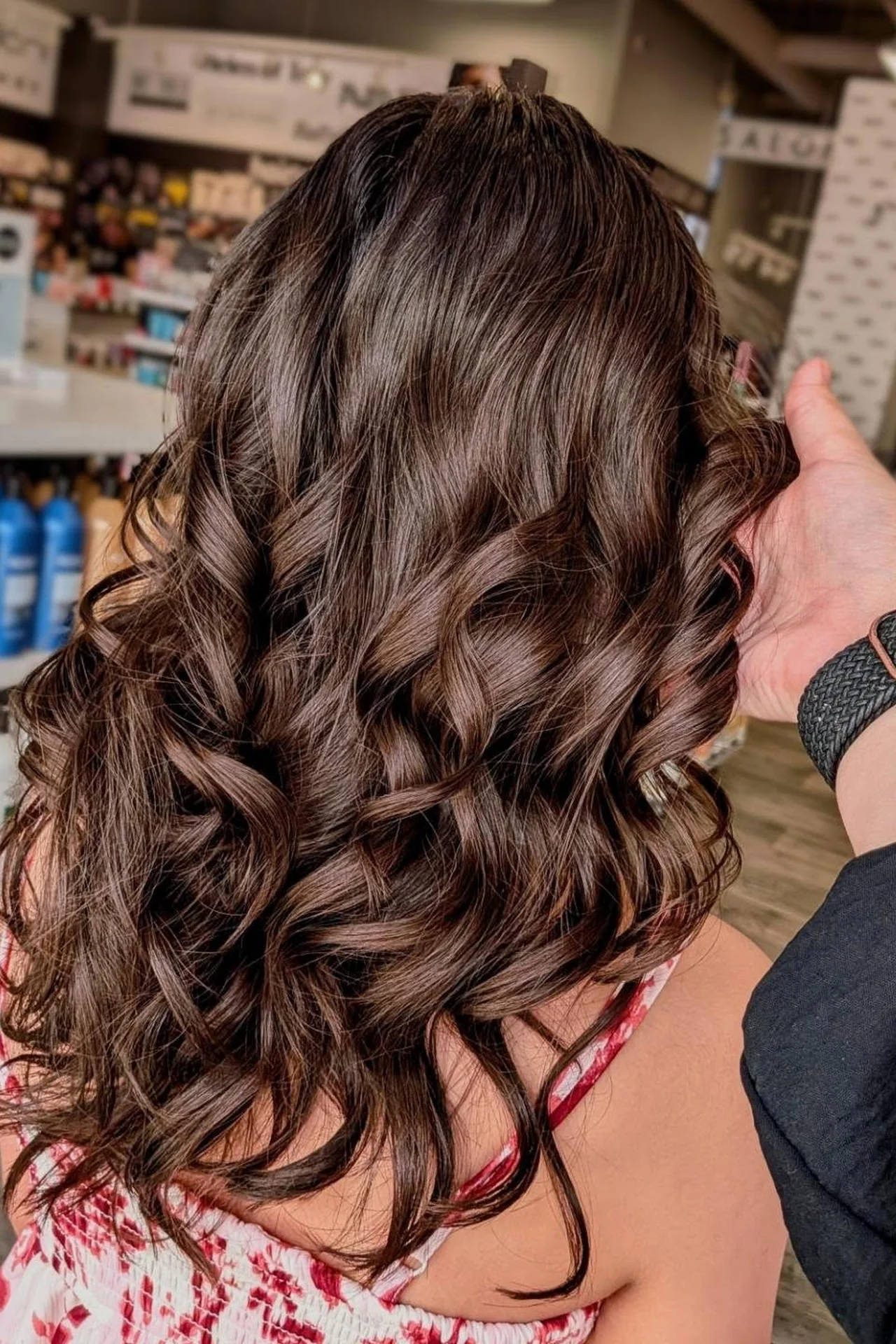
Good words at the salon make a real difference with this cut. Ask for a curly butterfly haircut for women with short face-framing layers around the chin and cheekbones, longer layers through the back, and the length kept past the shoulders.
Bring photos that show curls like yours, not just the cut you want. A butterfly cut on loose waves looks different from one on tight coils, and photos of your own curl pattern help the stylist judge how much the layers will spring up.
Talk about shrinkage and your drying routine before the scissors come out. If you diffuse, say so, and if you air dry, say that too, since the stylist should shape the cut around how your curls actually dry.
Washing and Defining the Curls
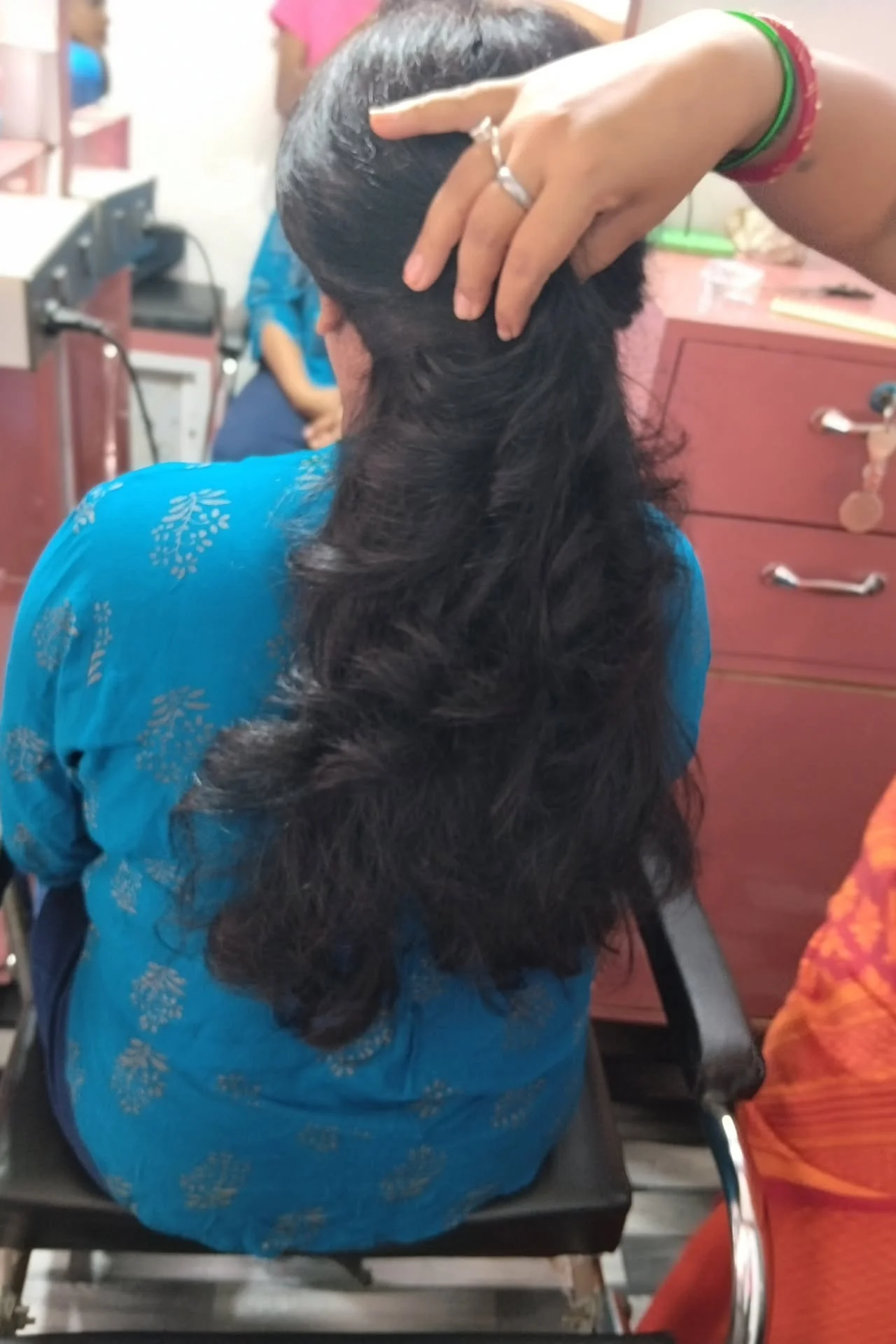
Wash day sets up everything this cut can do. Wash with a gentle shampoo, then work conditioner through the mid lengths and ends, where curls need the most moisture. Rinse with the head tipped forward, so the layers fall naturally and the curls clump in the direction they will dry.
Apply your styling product to soaking wet hair, since that is when curls form their best clumps. A curl cream for soft definition or a light gel for stronger hold both work, and raking then scrunching upward helps the layers separate.
Scrunch gently and then leave the hair alone. Touching curls while they dry breaks the clumps and invites frizz. Patience on wash day is what turns a good cut into a great hair day.
Diffusing for Volume
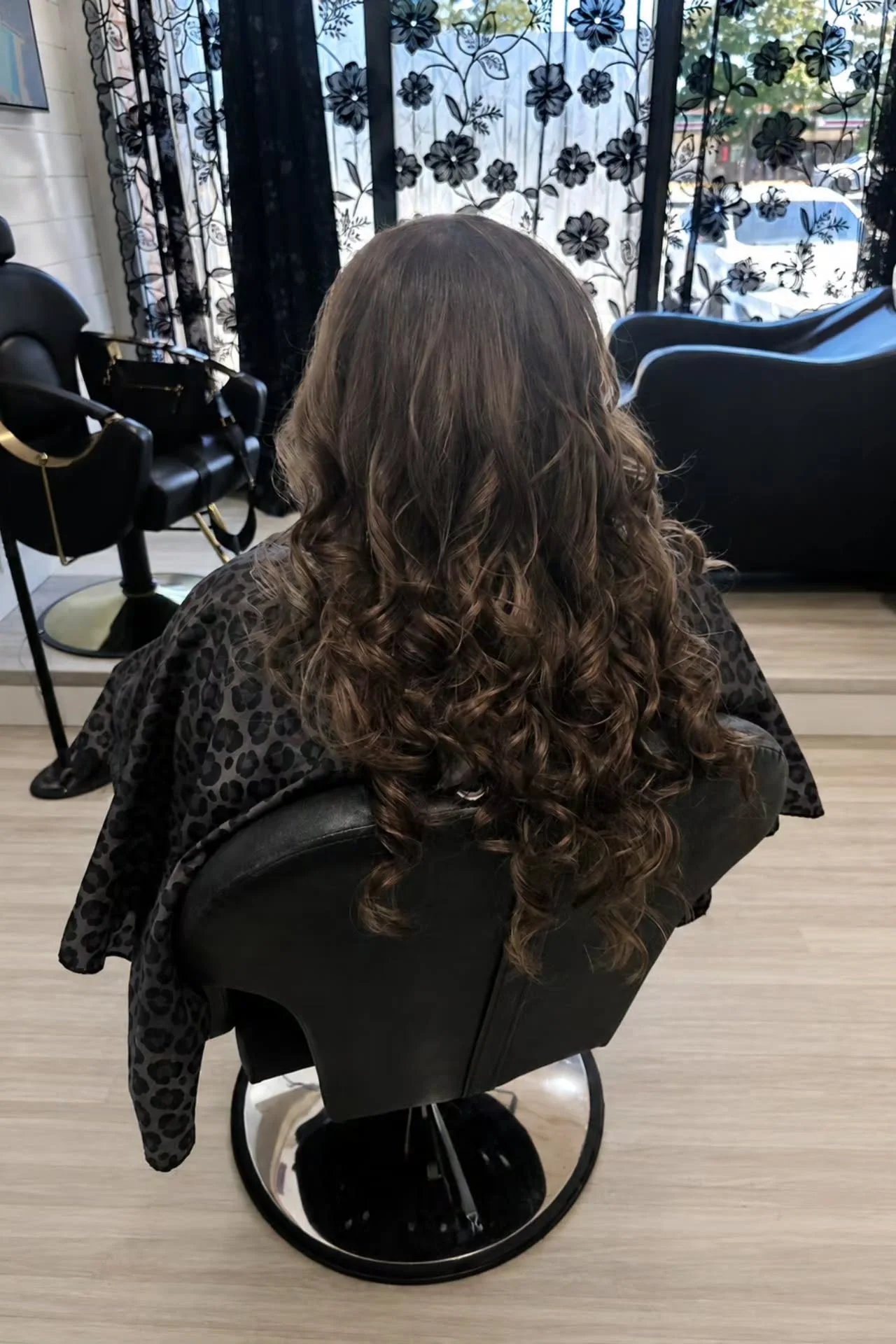
Diffusing is where a curly butterfly haircut for women really earns its keep. The short top layers dry fast and lift easily, so a diffuser aimed at the roots gives height without disturbing the longer layers below. Cup sections into the diffuser bowl, hold for a few seconds, then move on.
Heat matters, so keep the dryer on medium heat and low speed. High speed blows the curl clumps apart, and that undoes exactly what the layers are meant to show. Patience beats power here.
Once the hair is about eighty percent dry, stop and let the rest air dry. That keeps the curls soft instead of crunchy, and a tiny drop of oil smoothed over the very ends finishes the shape.
Grow-Out and Maintenance
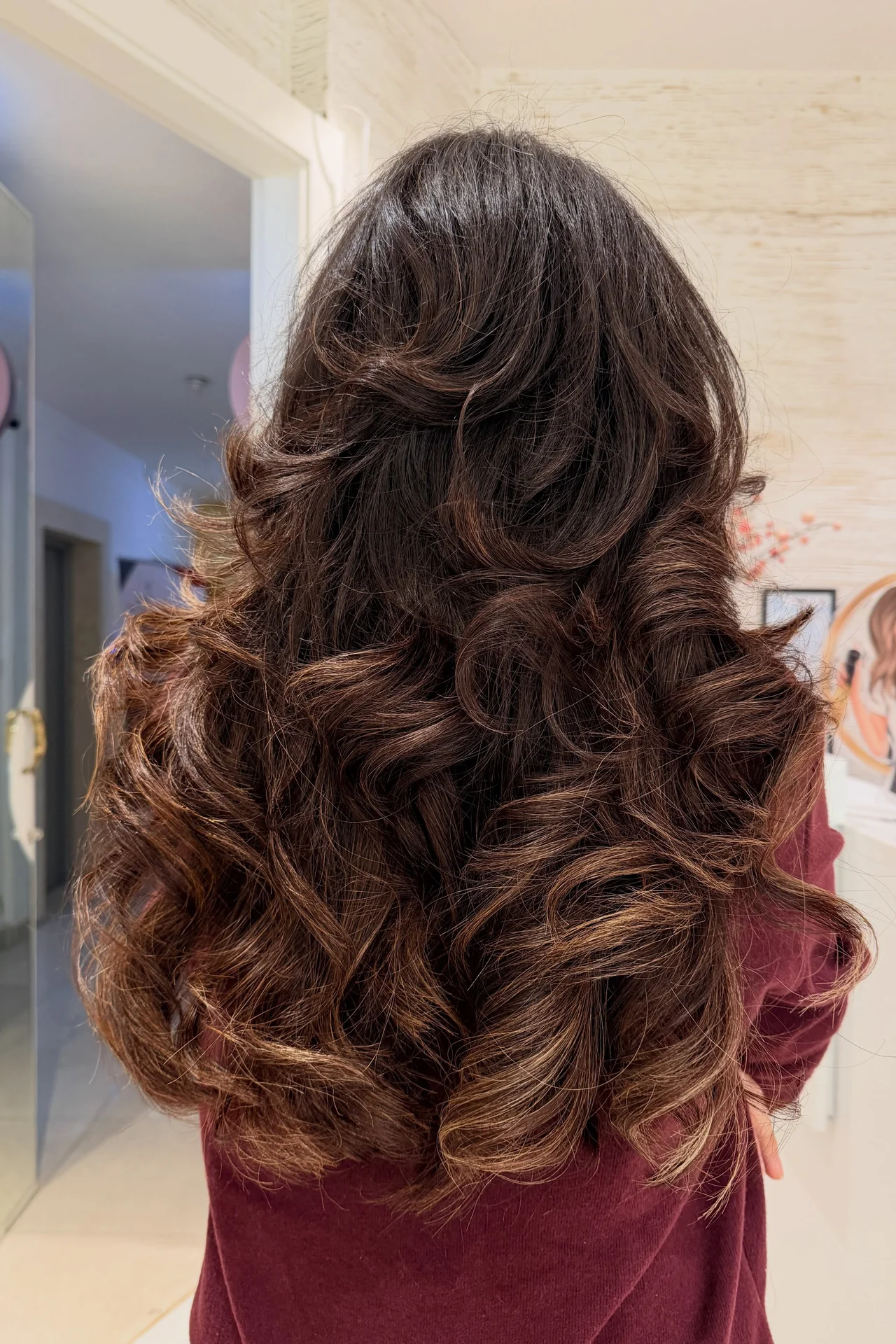
Grow-out is gentle with this cut. As the short layers grow, they blend into the longer ones, so the shape softens into long layers rather than falling apart. That means fewer awkward stages and longer gaps between appointments.
Trims every ten to twelve weeks keep the shape at its best. The stylist just refreshes the face-framing pieces and removes split ends, rather than reshaping the whole cut. Ends that look thin or frizzy no matter what you do are the sign a trim is due.
Between trims, a little curl refresher spray misted over the top layers revives second-day hair, and sleeping with curls loosely gathered on top of the head protects the crown layers overnight. Readers weighing a shorter change may also like the textured French bob haircut for women, and the team at the American Academy of Dermatology shares useful hair care basics in their hair tips.
Quick Answers
How long does my hair need to be for a butterfly cut?
Shoulder length or longer works best, since the cut needs enough distance between the short front layers and the long back layers to show its shape.
Will it work on tight curls?
Yes, tight curls get some of the best lift from this cut, but talk about shrinkage first, since tighter patterns spring up more as they dry.
Does it need a lot of styling?
No, that is part of the appeal. The layers build volume into the shape, so wash-and-go or a quick diffuse is usually enough.
How often does it need trimming?
Every ten to twelve weeks keeps the face-framing pieces fresh, and the soft grow-out means stretching a little longer still looks fine.
Is it the same as a shag?
No, the butterfly cut keeps longer layers and a tidier outline, while a shag goes shorter through the crown and often adds a fringe.