The bixie 90s haircut black women love sits right where a bob and a pixie meet. It keeps the soft outline of a bob, but it is cut short enough to feel light, easy and full of movement. That mix is what made it a favourite in the 90s, and it is why the shape still works so well now.
For Black women, the bixie is a kind cut. It lets natural texture do a lot of the work, it frames the face without hiding it, and it does not need a long morning routine. A good cut and a little product, and you are out the door.
What matters most is the shape itself. Ask for layers that move, length that sits close at the back, and a little more length around the face.
Table of Contents
The Shape That Makes a Bixie
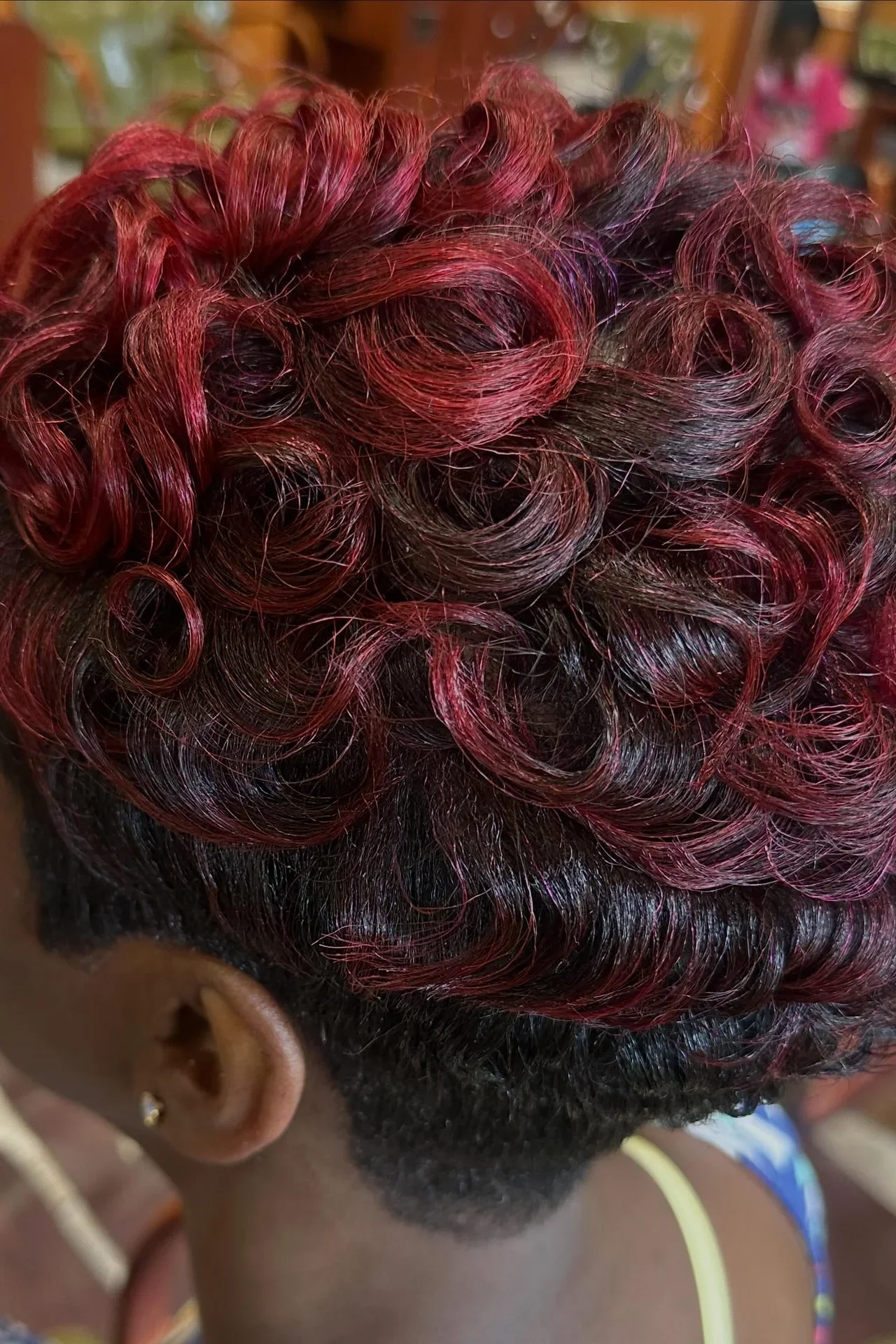
A bixie is not just a short bob, and it is not just a long pixie. It borrows from both. The outline follows the jaw and cheek, like a bob, while the back and sides are cut short and close, like a pixie.
That balance gives the cut its retro feel. It looks polished, but never stiff, with enough length to sweep and part and enough shortness to hold its shape.
Show your stylist photos of the exact outline you want, not just the length.
Layers That Give It Movement
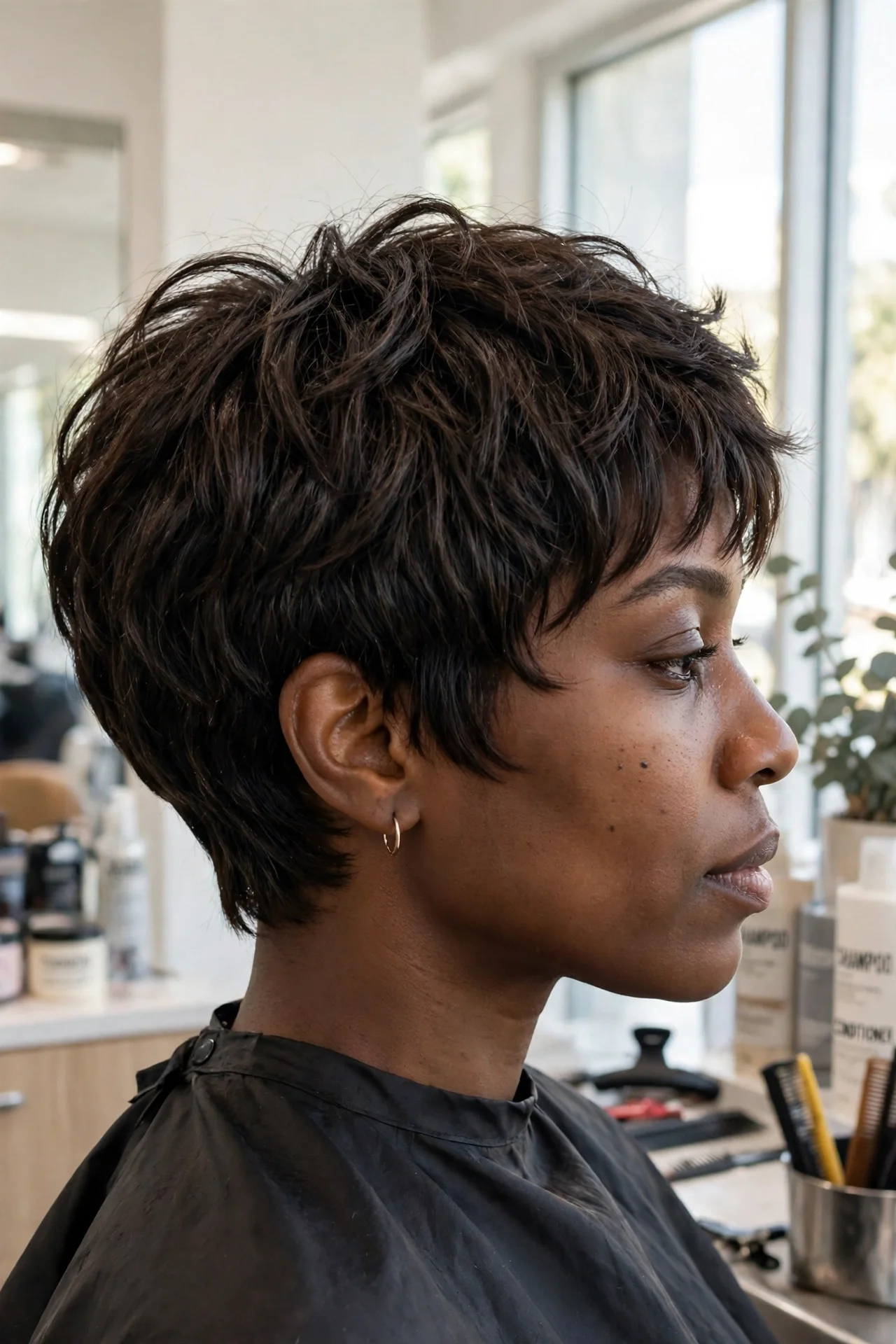
Layers are the engine of a bixie. Without them, the cut can sit flat and heavy. With them, the hair lifts, separates and moves when you turn your head.
Good layers are soft and blended, not harshly choppy, and they should fall into place on their own. Ask for layers through the crown and around the face, with light ends.
If your hair is thick, layers also take out weight, which keeps the shape from growing wide at the sides.
Texture and Natural Curl

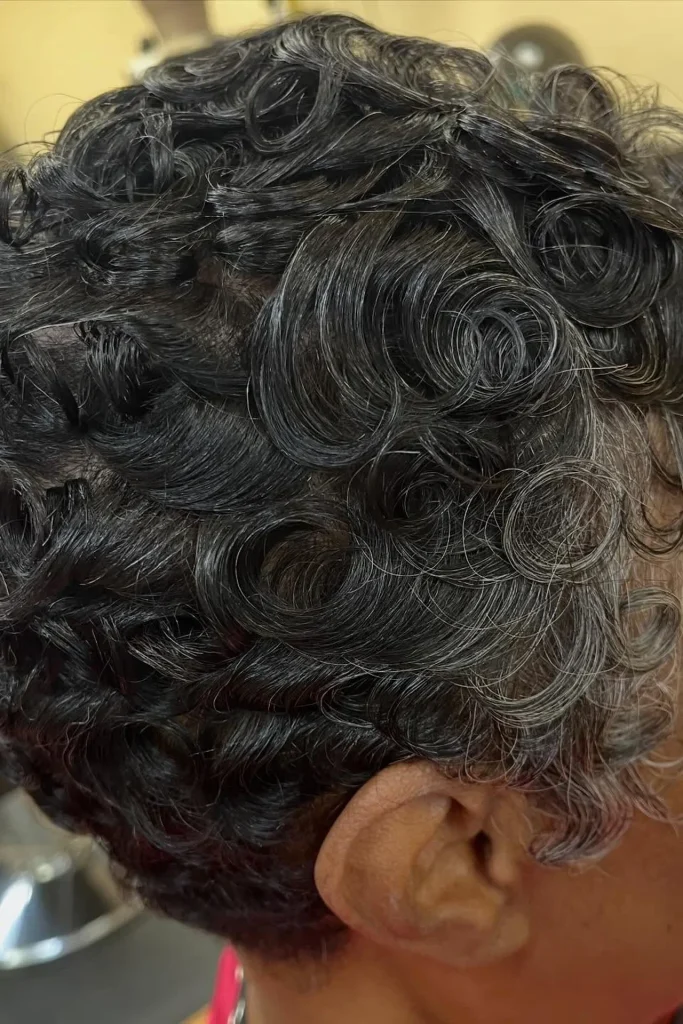
Texture is where a bixie really shines on natural hair. Curls, coils and waves all give the cut a fullness straight hair has to work much harder for.
Let your stylist cut the hair in its natural state where possible, or at least see how it falls when dry. A cut shaped for wet, stretched hair can spring up shorter than you expected.
A curl cream or a light leave in product is usually enough. Scrunch it in, let it dry, and leave the curls alone, or they will frizz.
A Fringe That Frames the Face

A fringe changes a bixie more than almost anything else. A full fringe feels bold and retro, while a soft, side swept fringe keeps it gentle and easy to wear.
The right fringe depends on your forehead and your features, not on a trend. A shorter, wispy fringe suits a smaller forehead, while a longer fringe gives you room to sweep it either way.
Keep the fringe a little longer at the first cut. You can always take more off, but you cannot put it back.
A Side Sweep and a Part That Flatter
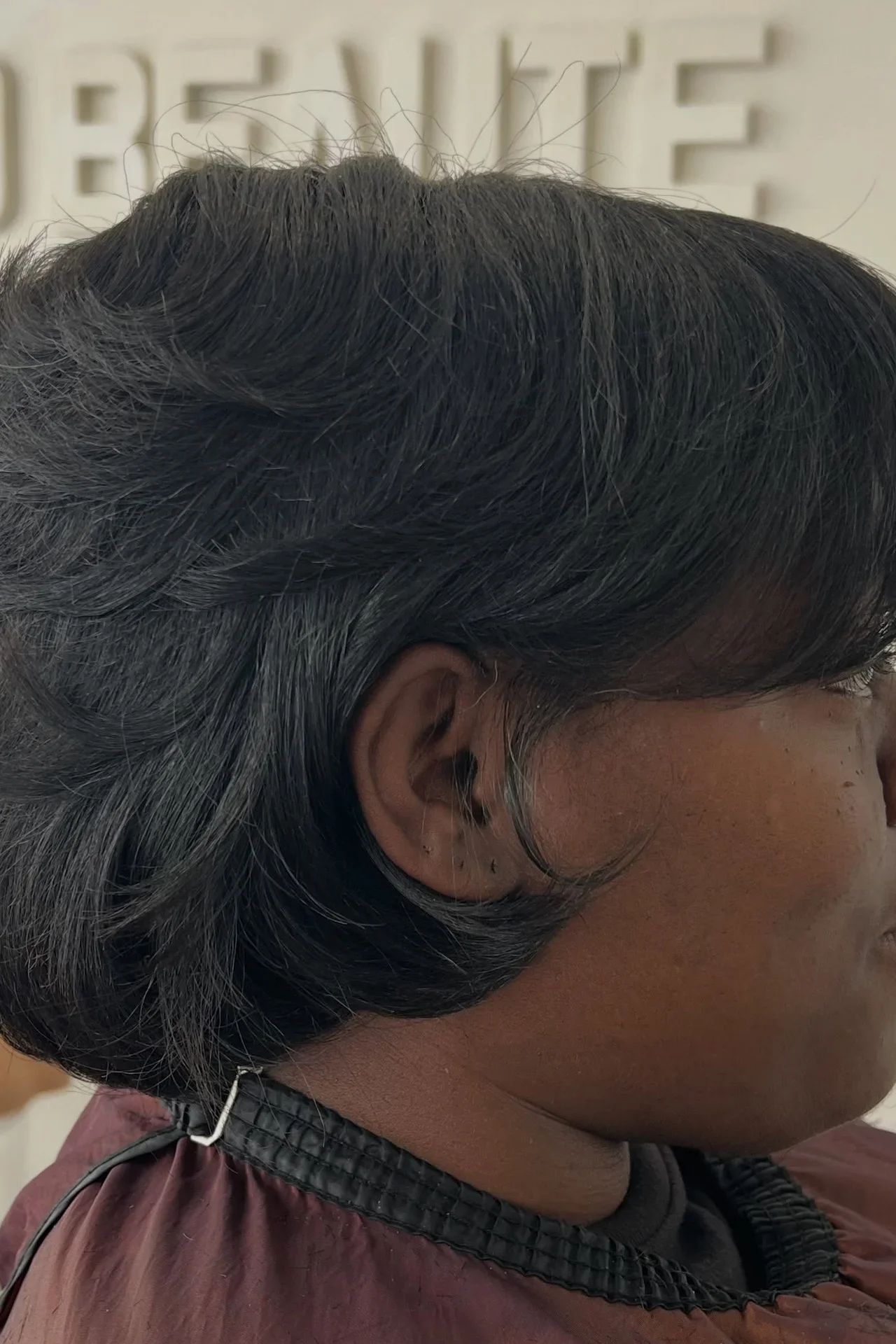
The part is a small choice with a big effect. A centre part makes a bixie feel neat and even. A side part gives height at the crown and a soft sweep across the forehead.
Try both in the mirror before you settle. A side sweep opens up one side of the face, while a centre part keeps the focus on the eyes and cheekbones. Once you find a part you love, tell your stylist, so the layers fall where you actually wear them.
Colour That Lifts the Cut
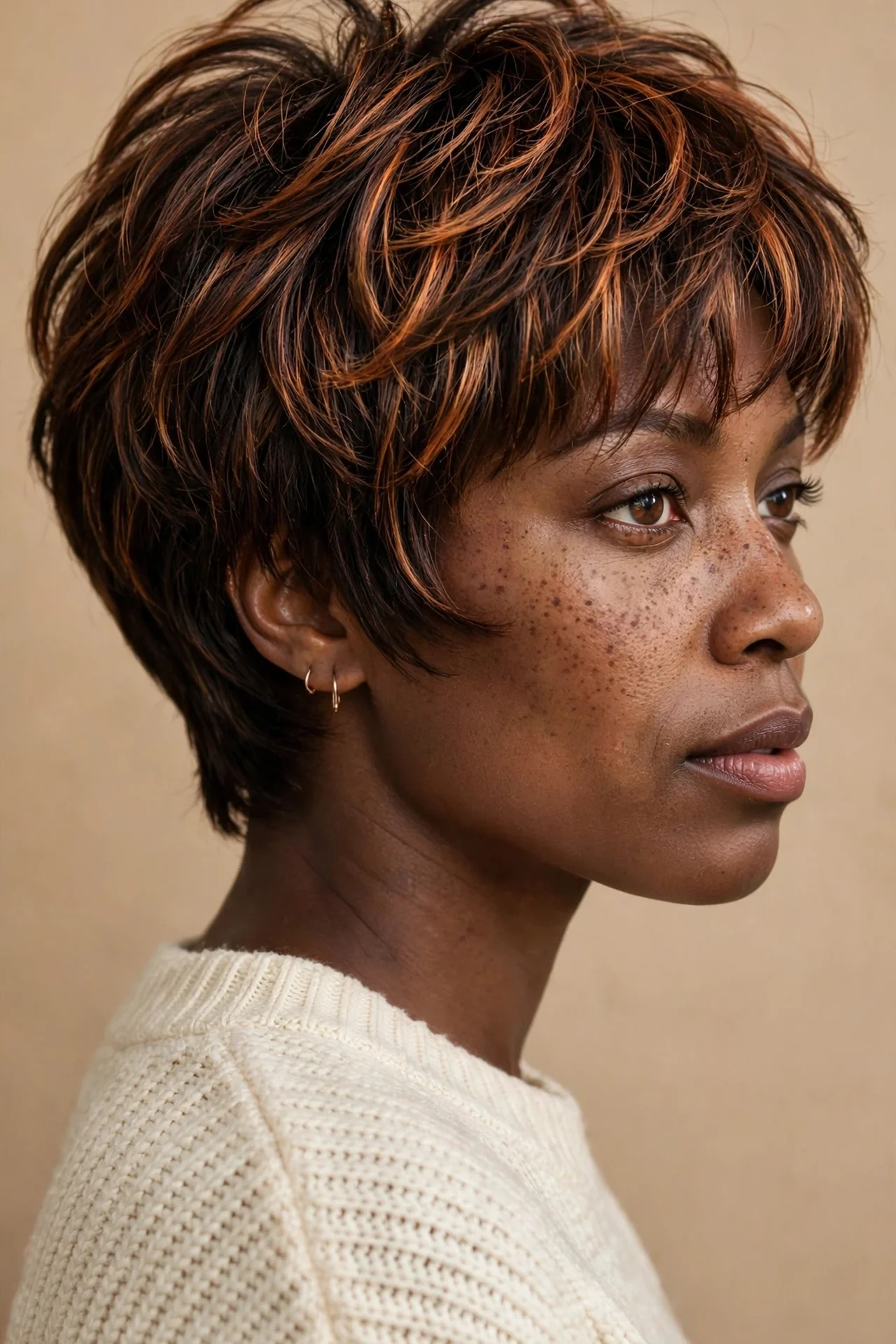
Colour can lift a bixie without changing the cut at all. Warm brown, soft copper and rich auburn tones catch the light in the layers.
If you are new to colour, start subtle. Face framing highlights or a warm gloss over your natural shade add depth without a big commitment.
Coloured hair needs a little more care, so use a gentle shampoo and a good conditioner. Healthy, shiny colour makes the cut look richer.
A Bixie for Your Face Shape
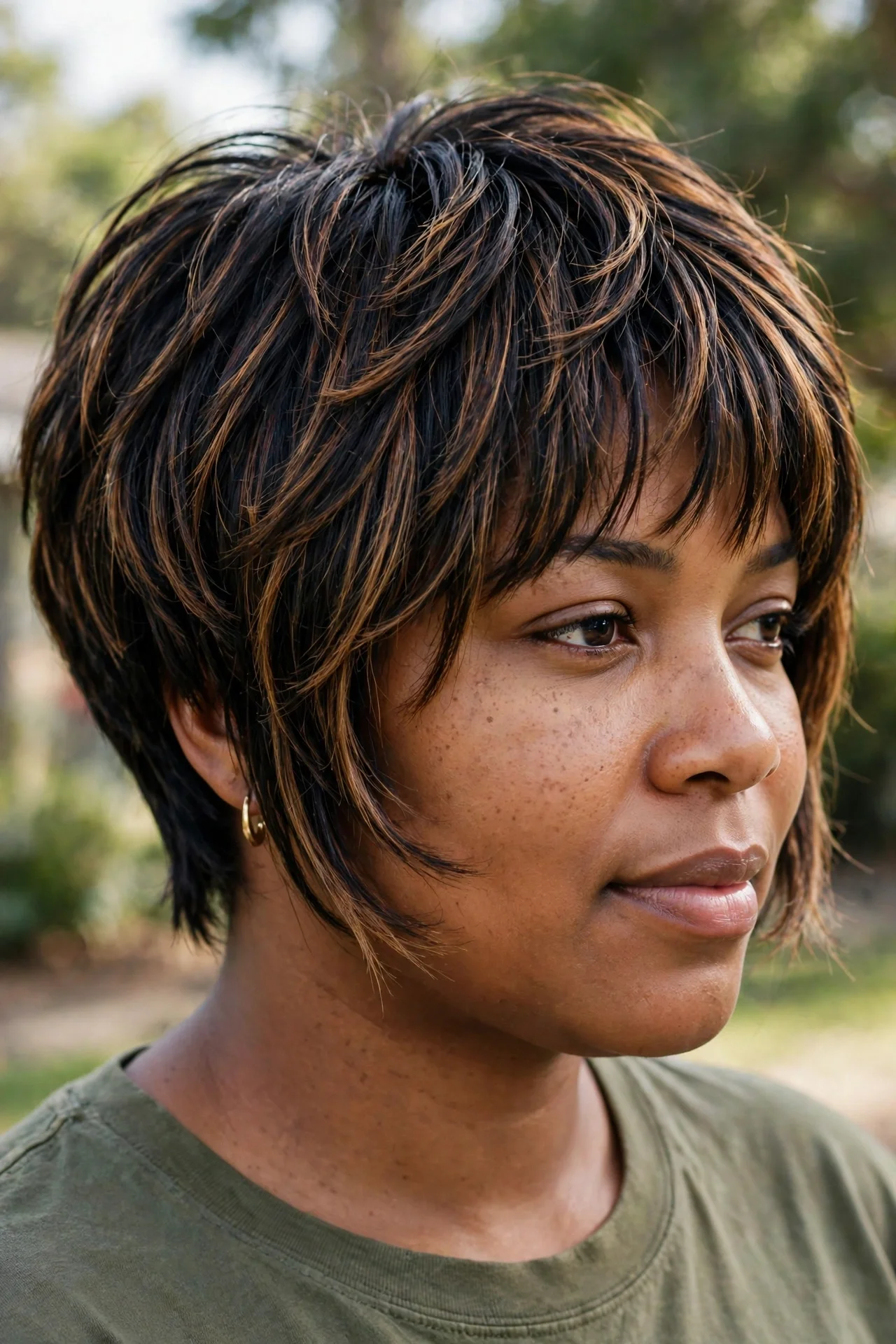
A bixie suits most face shapes, because its length and layers can be tuned to suit you.
For a round face, extra length at the front and height at the crown will lengthen the look. For a longer face, a fuller fringe and soft width at the cheeks will balance it out. For an oval face, most versions work, so pick the one you will enjoy wearing most.
Bring a photo of a bixie on someone with a similar face shape, so your stylist sees the proportions you have in mind.
A Sleek Finish for a Polished Day
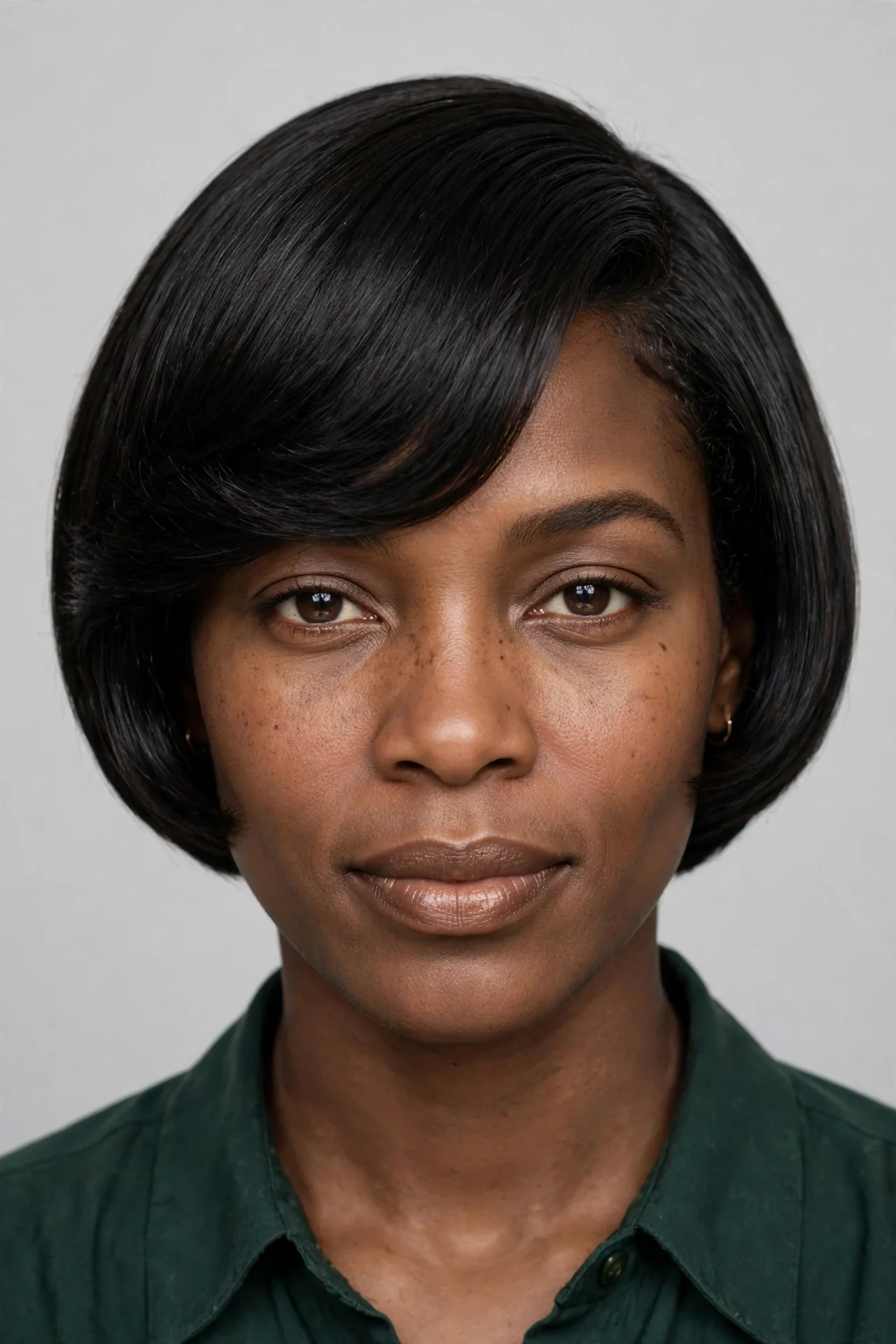
Some days call for a sleeker bixie. A smooth finish shows off the shape of the cut, and it looks sharp for work and evenings out.
Start with damp hair and a smoothing cream. Dry with a small brush, guiding the layers into place, and finish with a light serum on the ends. Keep the roots soft, not flat, so the cut keeps its lift and the ends still move.
A Tousled Finish for Soft Volume
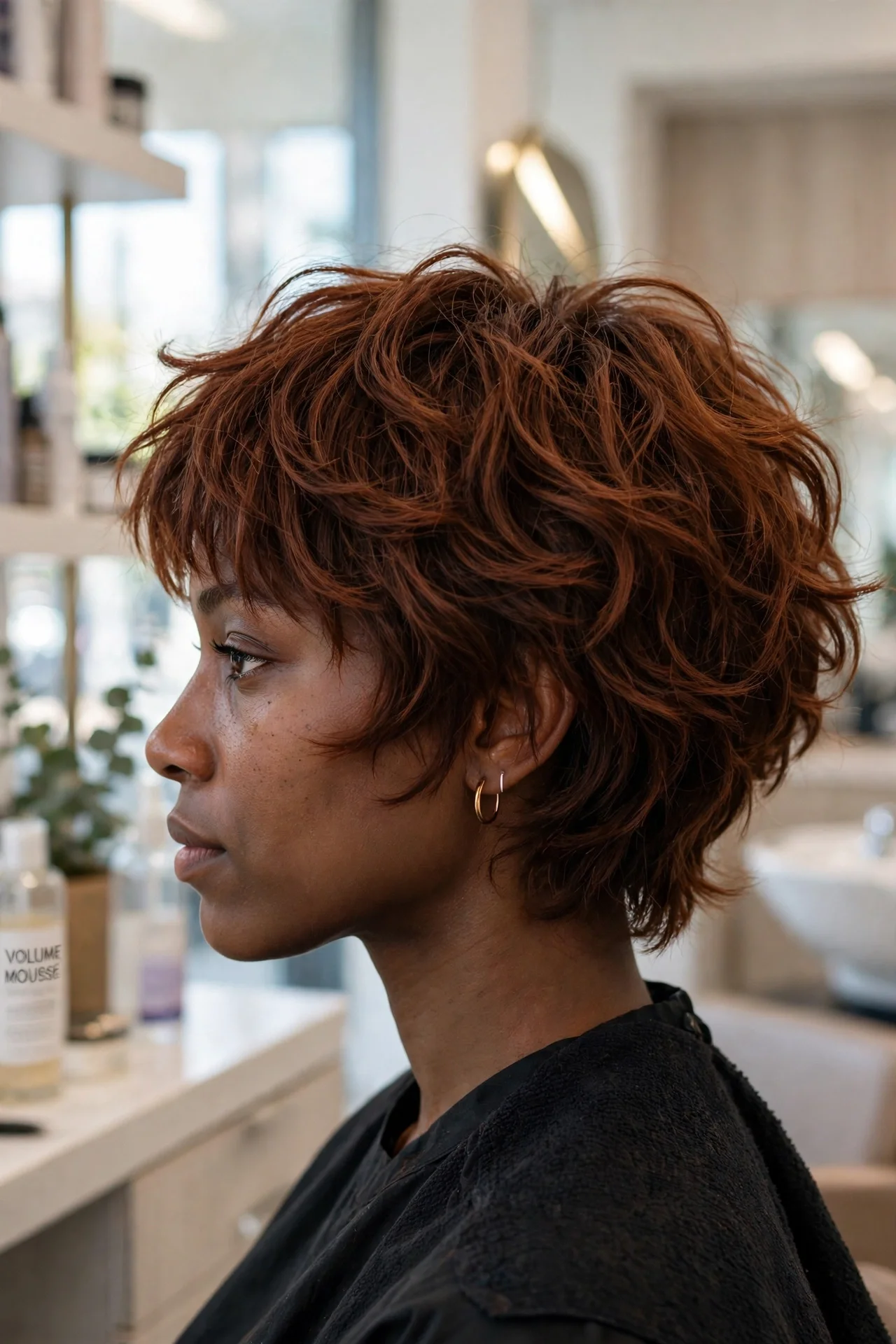
A tousled bixie is the relaxed sister of the sleek one. It is full, soft and a little undone.
Use a texturising spray or a light mousse on damp hair, then dry with your fingers instead of a brush. Lift the roots as you dry, and let the layers fall where they want to.
This finish is forgiving on busy mornings. If one side sits a bit differently, it still looks intentional, because the whole style is built on softness.
Shortness at the Nape and Ears
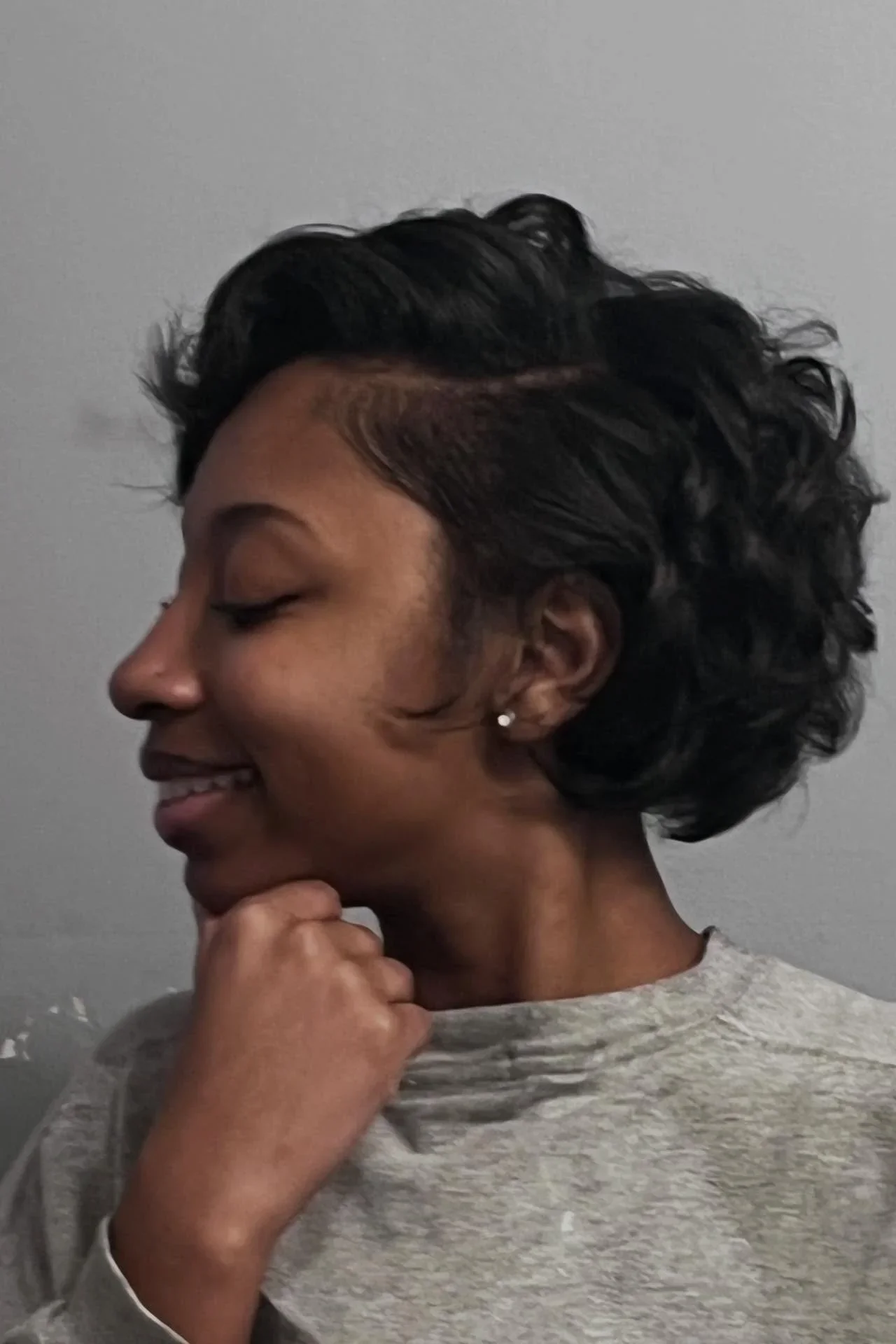
The back of a bixie is what makes it feel like a pixie. The nape is cut short and clean, and the hair around the ears stays close.
That shortness also keeps the cut light. Hair that is short at the back dries faster and does not weigh the crown down.
Check the back in a hand mirror before you leave the salon. It is the view you see least, but everyone else sees it most.
Growing Out Gracefully
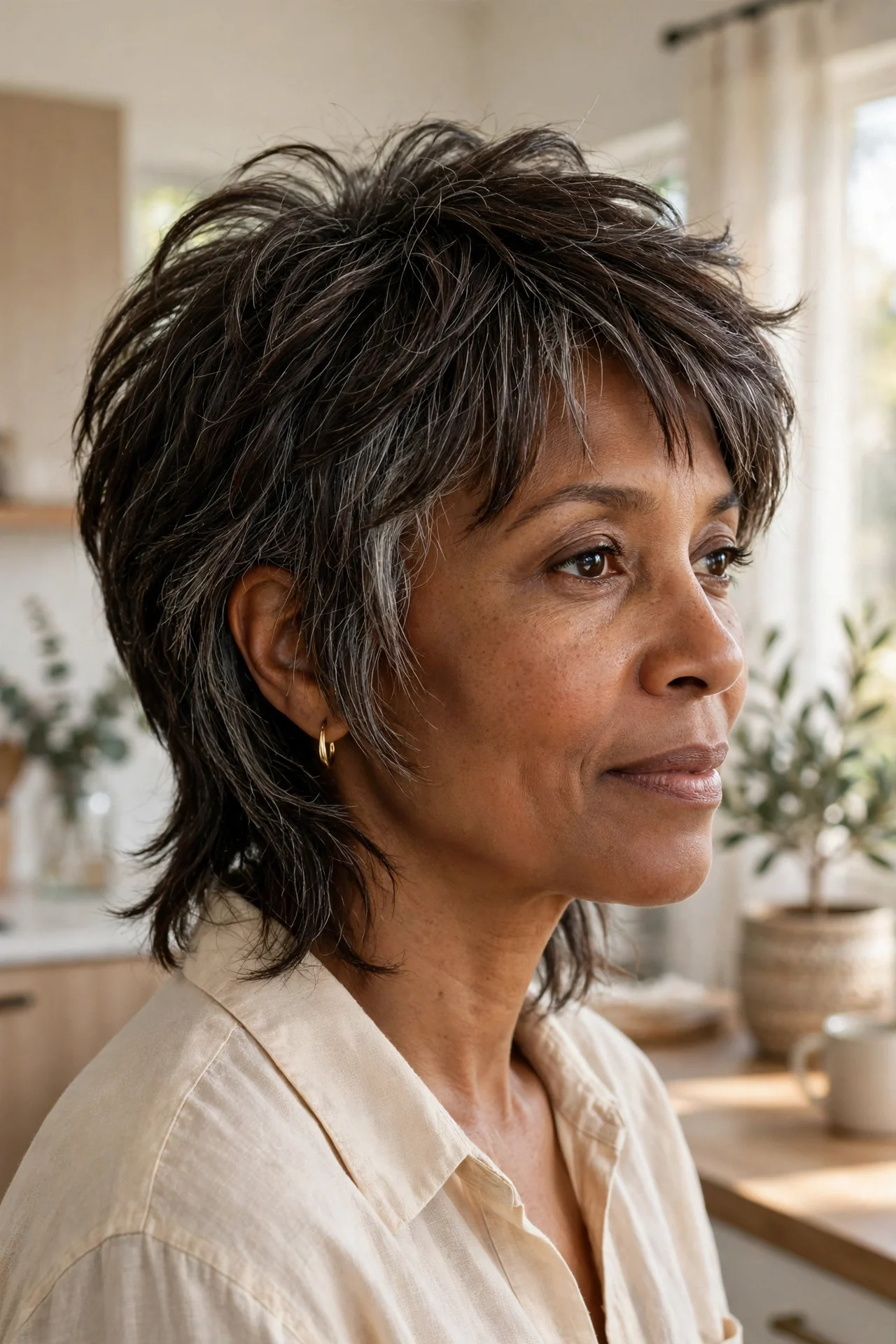
A bixie grows out better than most short cuts, because it is already a mix of lengths. As it grows, it drifts toward a short bob.
The awkward stage usually comes at the nape and around the ears, where the short pieces start to flip. A quick tidy up every few weeks keeps those edges neat.
Between cuts, a little product at the roots can hold the shape in place, just guiding the pieces that have started to wander.
Choosing the Right Bixie for Your Hair
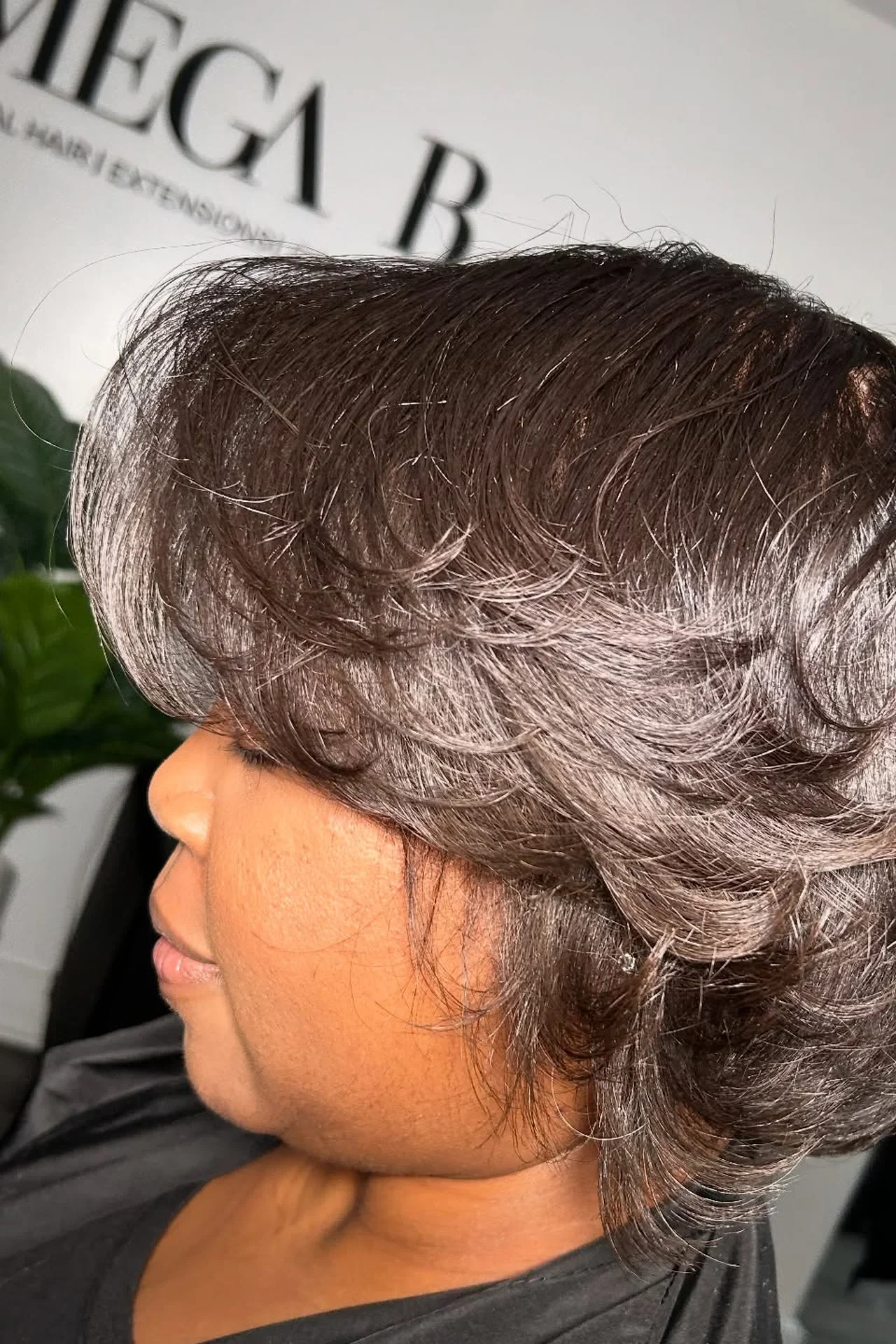
Choosing the bixie 90s haircut black women love starts with honesty about your hair and your routine. Thick, curly hair gives natural volume, while finer hair needs more layering for the same fullness.
Think about how much time you want to spend styling. A textured bixie asks very little, while a sleek one asks for a few extra minutes with a brush and dryer. Pick the version that fits the mornings you actually have.
Talk it through with your stylist, and look at short hairstyles for black women and pixie haircuts for a sense of how short you want to go. The right bixie is the one you will still love on a rushed Tuesday.
Keeping Your Bixie Looking Fresh
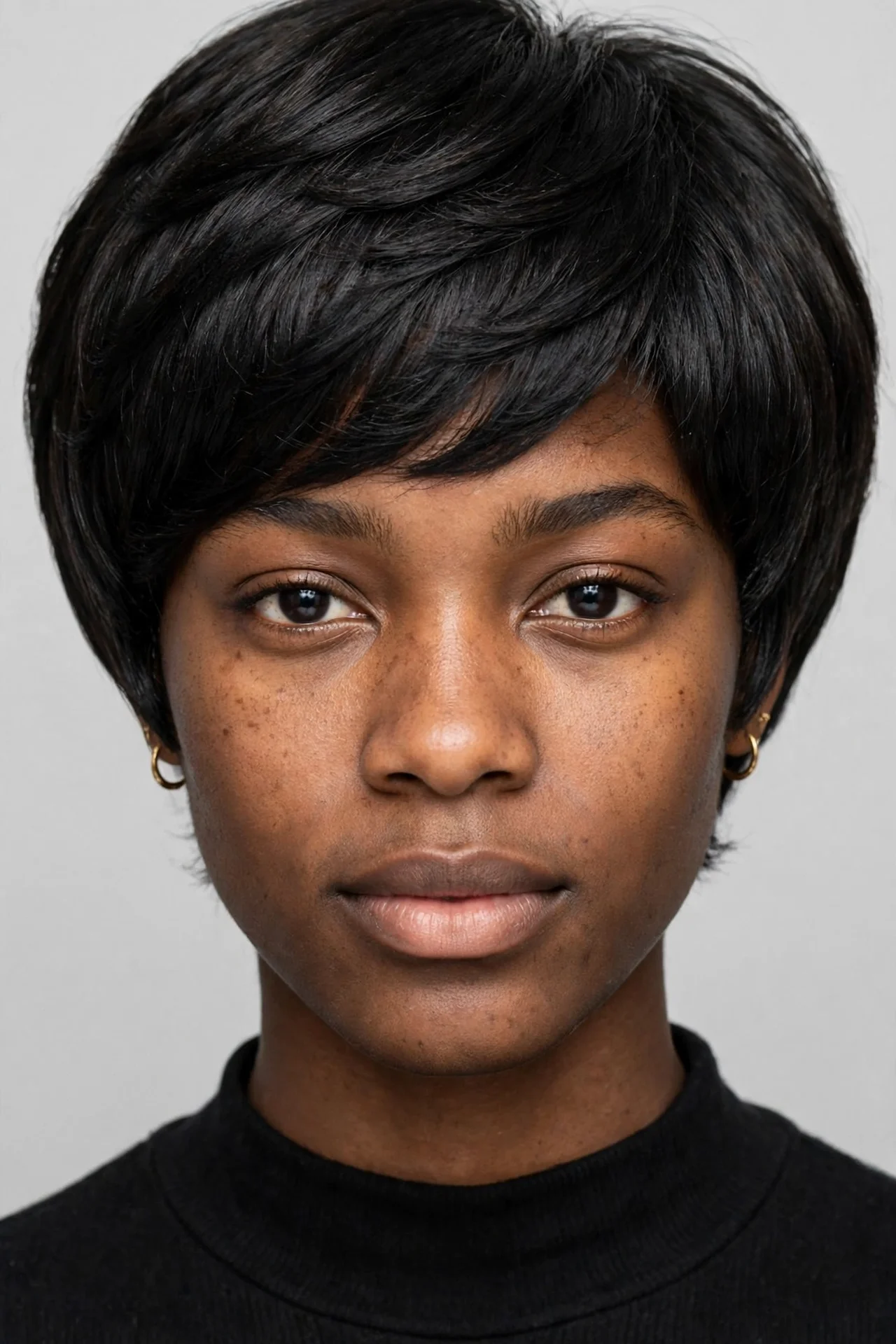
Keeping a bixie fresh is mostly about regular trims and gentle care. A trim every four to six weeks keeps the nape neat and the layers sharp.
Wash with a gentle shampoo, condition well, and protect the hair at night with a silk scarf or pillowcase. That small habit keeps the style smoother and cuts down on morning frizz.
For everyday care, the ultimate hair care routine for healthy shiny hair is a useful guide, and winter hairstyles for black women has ideas for colder months. The American Academy of Dermatology also shares simple hair tips.
Quick Answers
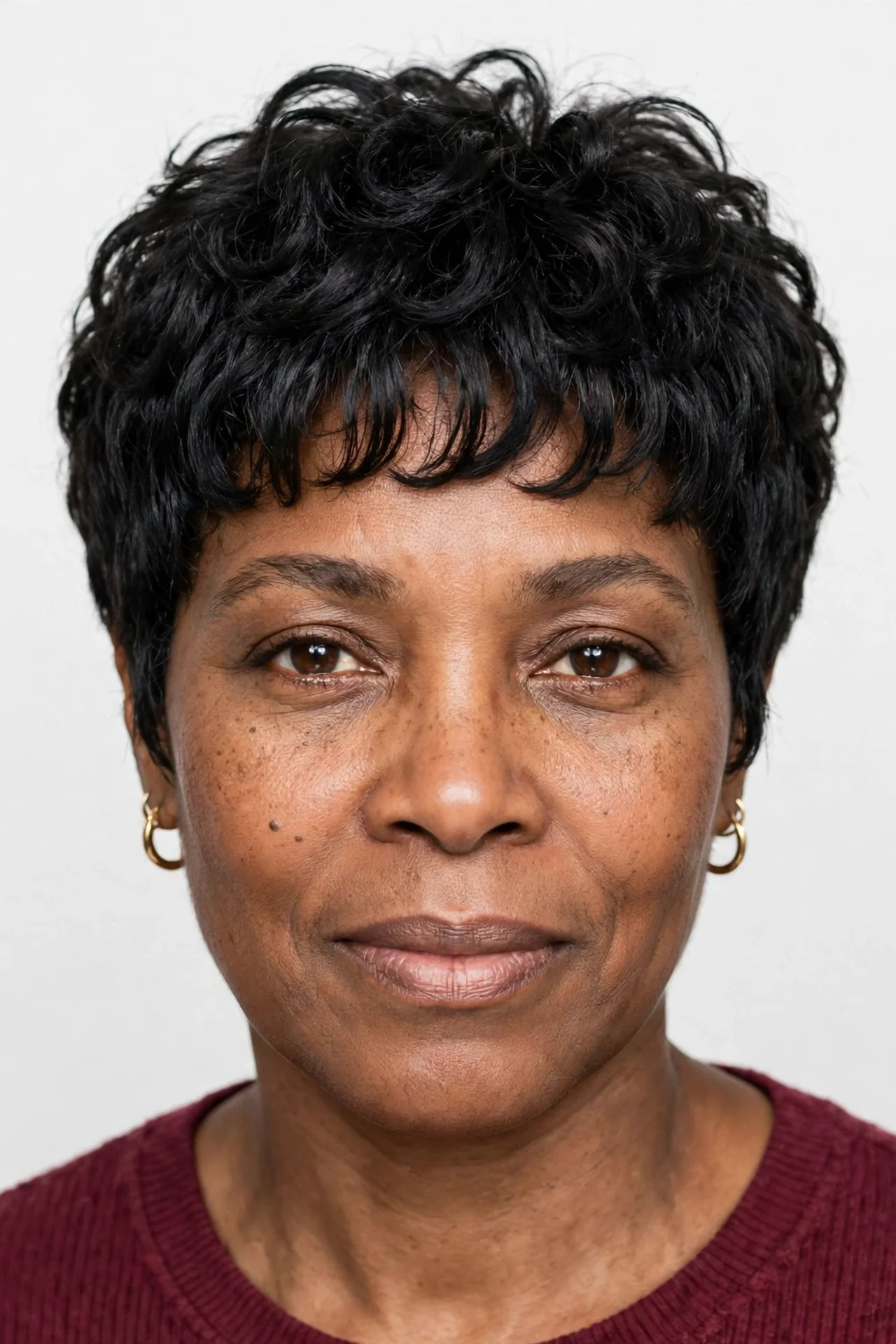
What is a bixie haircut?
A bixie 90s haircut black women love is a short cut that mixes a bob and a pixie. It keeps a soft bob outline around the face, with short, layered length at the back and sides.
Does a bixie work on natural Black hair?
Yes, it works beautifully. Natural curl and coil give the cut fullness and movement, and the layers keep the shape from growing wide.
How often should a bixie be trimmed?
Every four to six weeks is a good rhythm. That keeps the nape neat and the layers sharp.
Is a bixie hard to style each morning?
No, it is one of the easier short cuts. A little product and a quick finger dry is enough for a textured finish.
Can a bixie grow out into a bob?
Yes. As the short pieces grow, the cut softens into a short bob, so the grow out stage still looks intentional.