Bob Hairstyles: 8 Looks That Suit Real Life and Real Hair
A good bob does a lot of quiet work. It frames your face, it dries faster than long hair, and it still looks put together on a rushed morning.
That is why bob hairstyles stay popular with so many different women. They suit straight hair, wavy hair, and curly hair, and they can look soft, sharp, playful, or polished depending on the cut.
The hard part is not finding a bob you like in a photo. It is finding the version that fits your hair texture, your routine, and how much styling you actually want to do.
Here are eight looks worth showing your stylist, plus honest notes on upkeep, so you can pick one you will still love weeks later.
If you have had a bob before and did not love it, tell your stylist what bothered you. Was it too short at the back, too flat on top, or hard to style? That detail helps them adjust the cut instead of repeating it.
Table of Contents
Classic Bob with Soft Ends
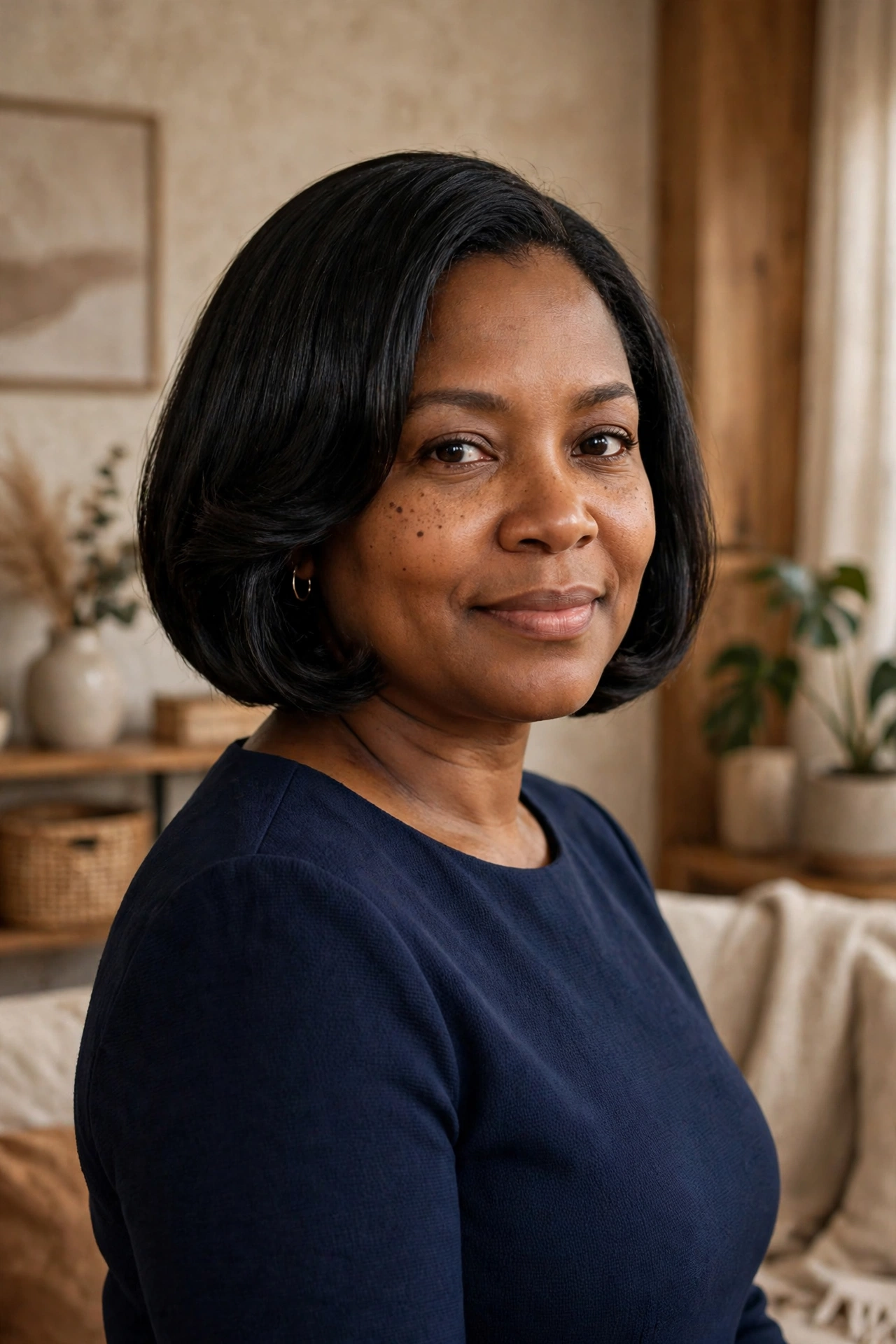
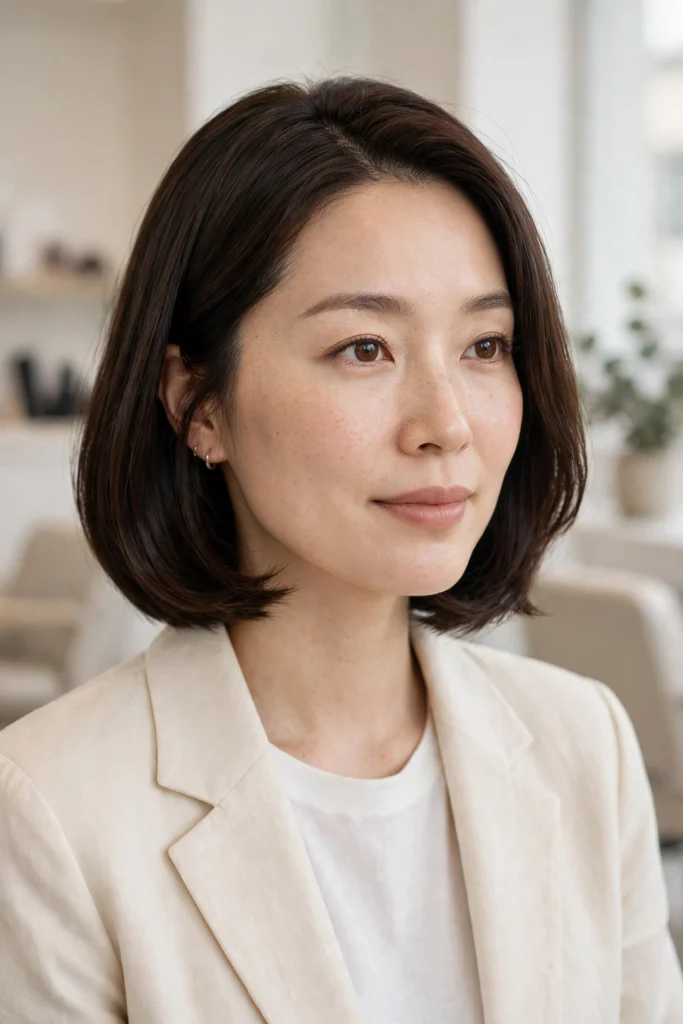
The classic bob ends near the jaw and curves gently under at the ends. It is neat without looking stiff, and it works well for work, weekends, and special occasions.
Ask for a clean line with a little softness at the ends if your hair is fine. That soft edge keeps the shape from looking heavy or flat.
You can wear it tucked behind one ear, parted in the middle, or swept to the side. Small changes like that keep one cut feeling fresh for weeks.
Blunt Bob That Looks Polished

A blunt bob is cut straight across, with no layers to break the line. It makes fine hair look thicker, and it gives thick hair a clean, bold edge.
This one rewards regular trims. Once the ends start to split or flip out in different directions, the sharp shape is the first thing you lose.
Keep heat low, smooth the ends with a brush while you dry, and let the cut do most of the talking. You do not need a lot of product to make it look finished.
Textured Bob for Easy Movement
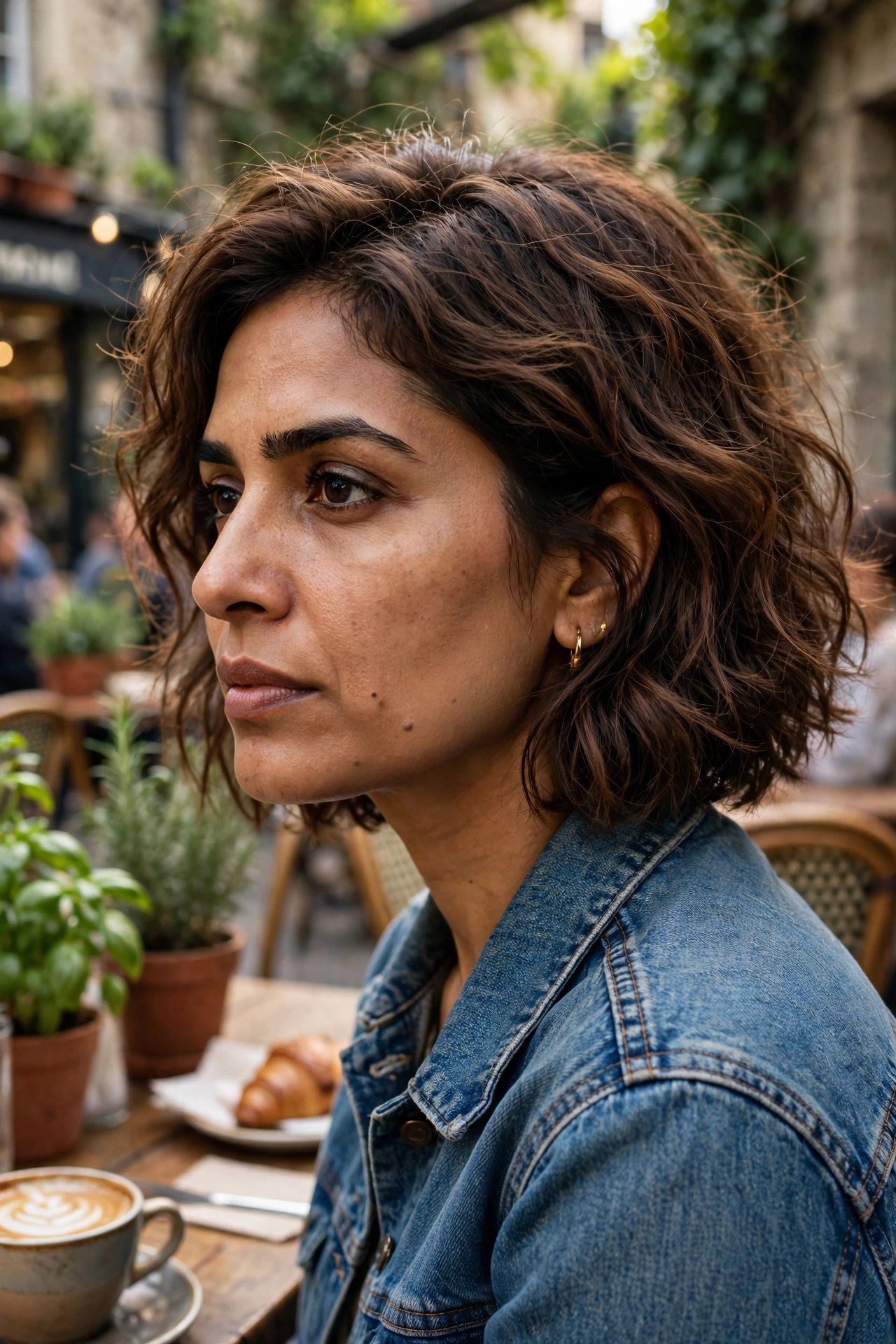
A textured bob has light layers and piecey ends, so it moves when you move. It is a good match if you like a relaxed finish and you do not want to fight your natural texture.
A little texture spray or a dab of cream on damp hair is often enough. Scrunch, let it dry, and shake it out with your fingers.
If you want extra dimension without a full colour change, talk to your colourist about soft, painted lightness. A clear comparison of balayage and highlights can help you decide which finish suits you.
Layered Bob for Fuller Hair

Layers lift a bob and stop it from sitting like a helmet. They are especially helpful for thick hair, because they remove weight without losing length.
Ask your stylist to keep the top layers long enough to lie flat. Very short top layers can puff up, especially in humidity, and that is hard to tame at home.
Dry with a round brush if you want volume, or let it air dry if you want a softer shape. Both work, and that flexibility is part of the appeal.
French Bob with a Short Fringe
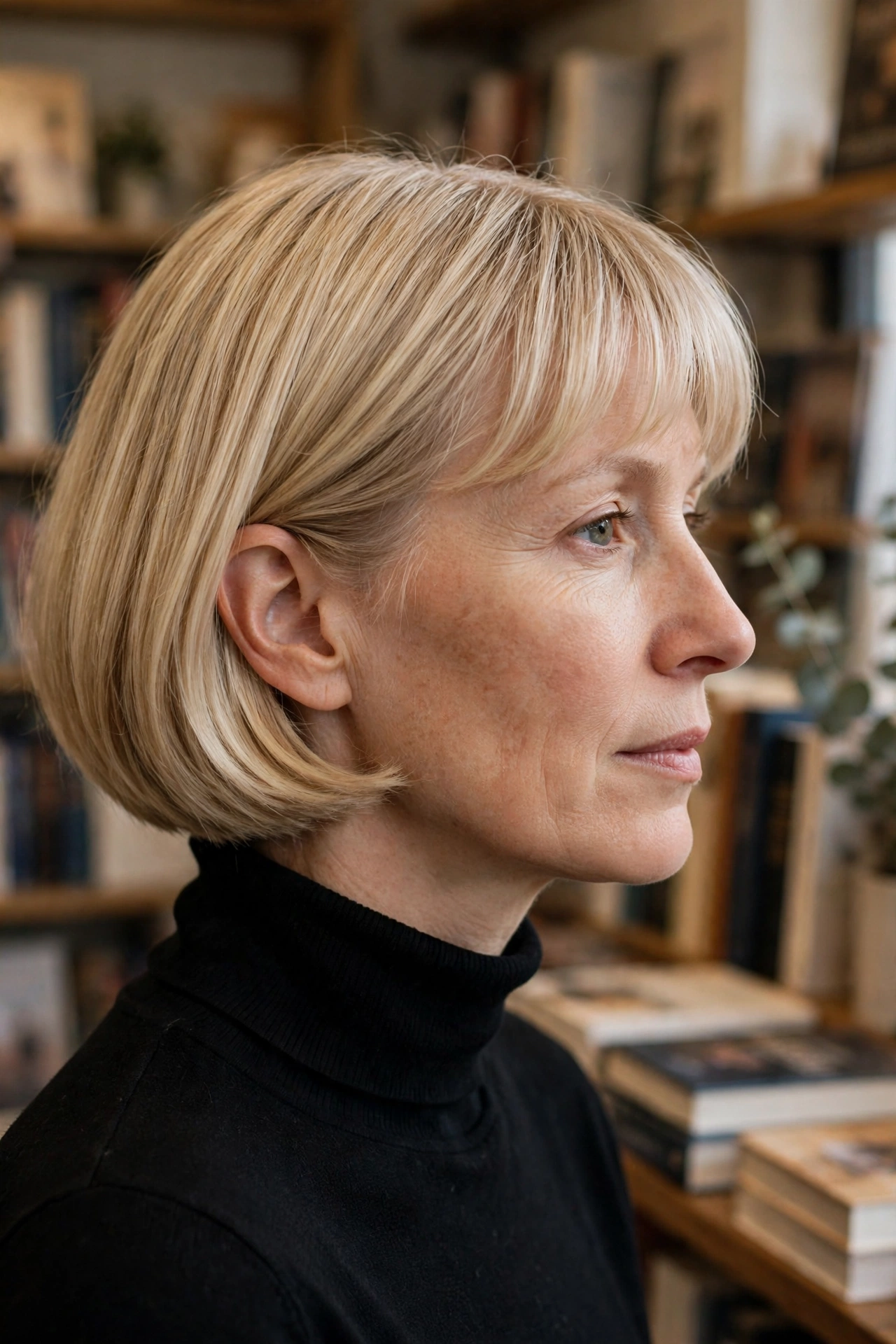
The French bob is short, usually chin length or just above, and it often comes with a soft fringe. It looks chic, a little playful, and very intentional.
It suits women who like a short cut but do not want a pixie. The length still gives you enough hair to tuck, pin, or sweep.
Keep the fringe trimmed between cuts, or it will fall in your eyes fast. A quick fringe trim is a small job, and most salons will do it between full cuts.
Curly Bob That Keeps Its Shape
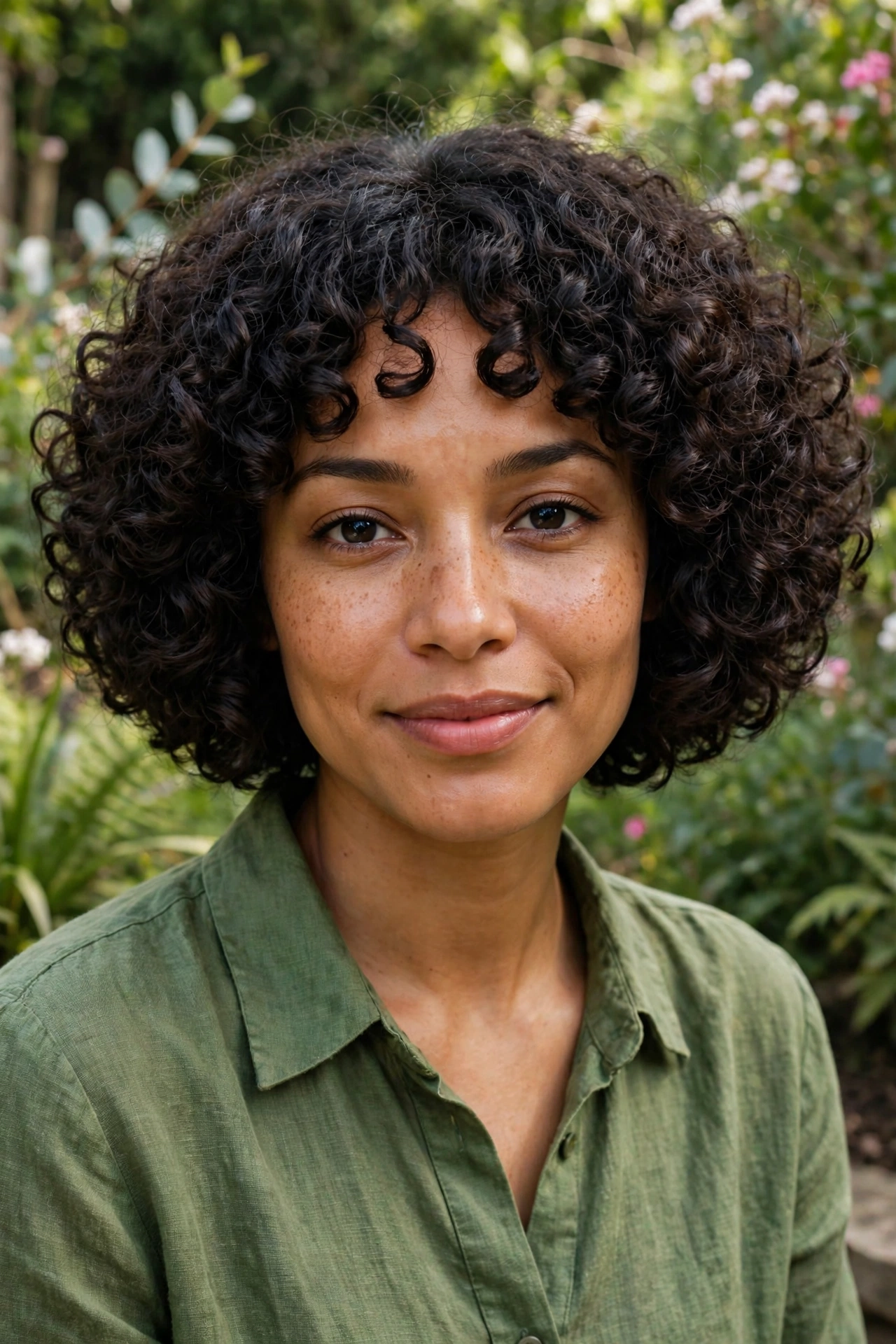
A curly bob is cut to work with curl, not against it. Your stylist should cut it dry or partly dry, so they can see where each curl actually falls.
Length matters more here than in a straight bob. Curls spring up as they dry, so a cut that looks long when wet can turn much shorter once it is dry.
Use a leave in conditioner, scrunch gently, and try not to brush dry curls. That keeps the shape round and soft instead of wide and frizzy.
Wavy Bob for a Relaxed Finish

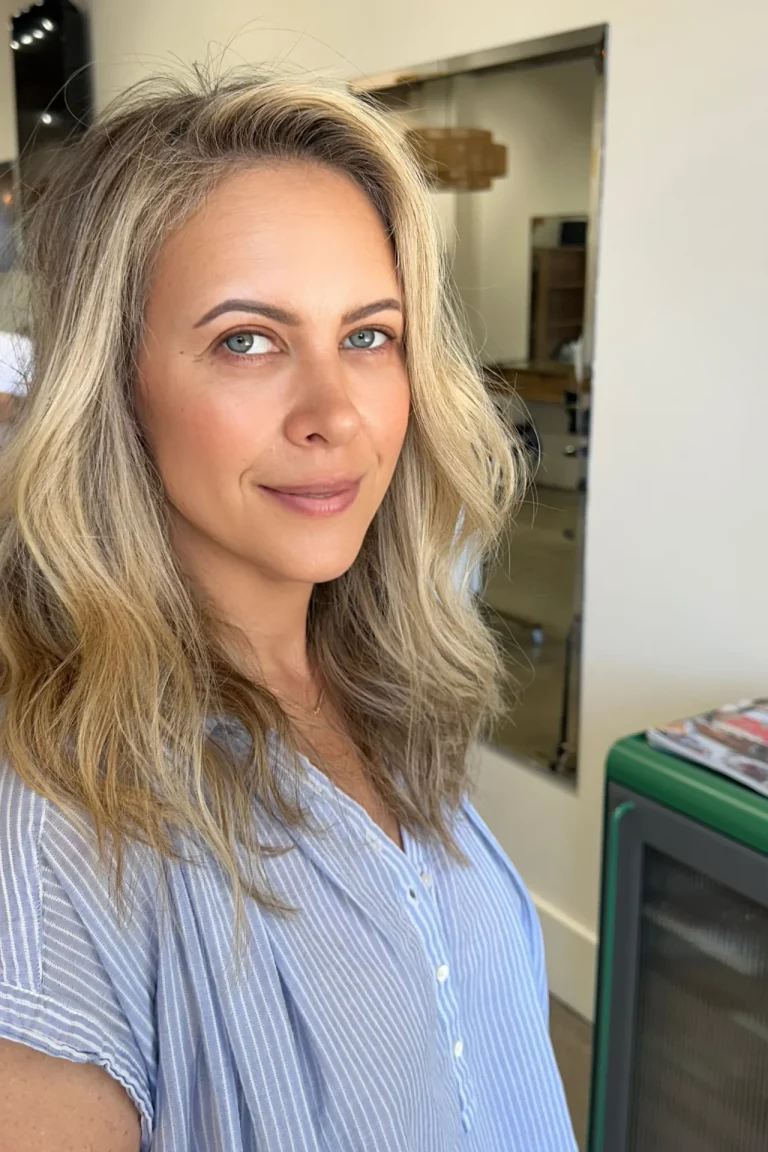
A wavy bob lets your natural wave do the styling. It looks lived in, it grows out well, and it does not need perfect smoothing to look good.
Part it where your hair naturally falls, and work with that part instead of forcing a new one. You will fight your hair less, and the style will last longer.
On second day hair, a quick refresh with water and a little cream can bring the wave back. You do not need to wash and restyle from scratch every morning.
Long Bob for Growing Out
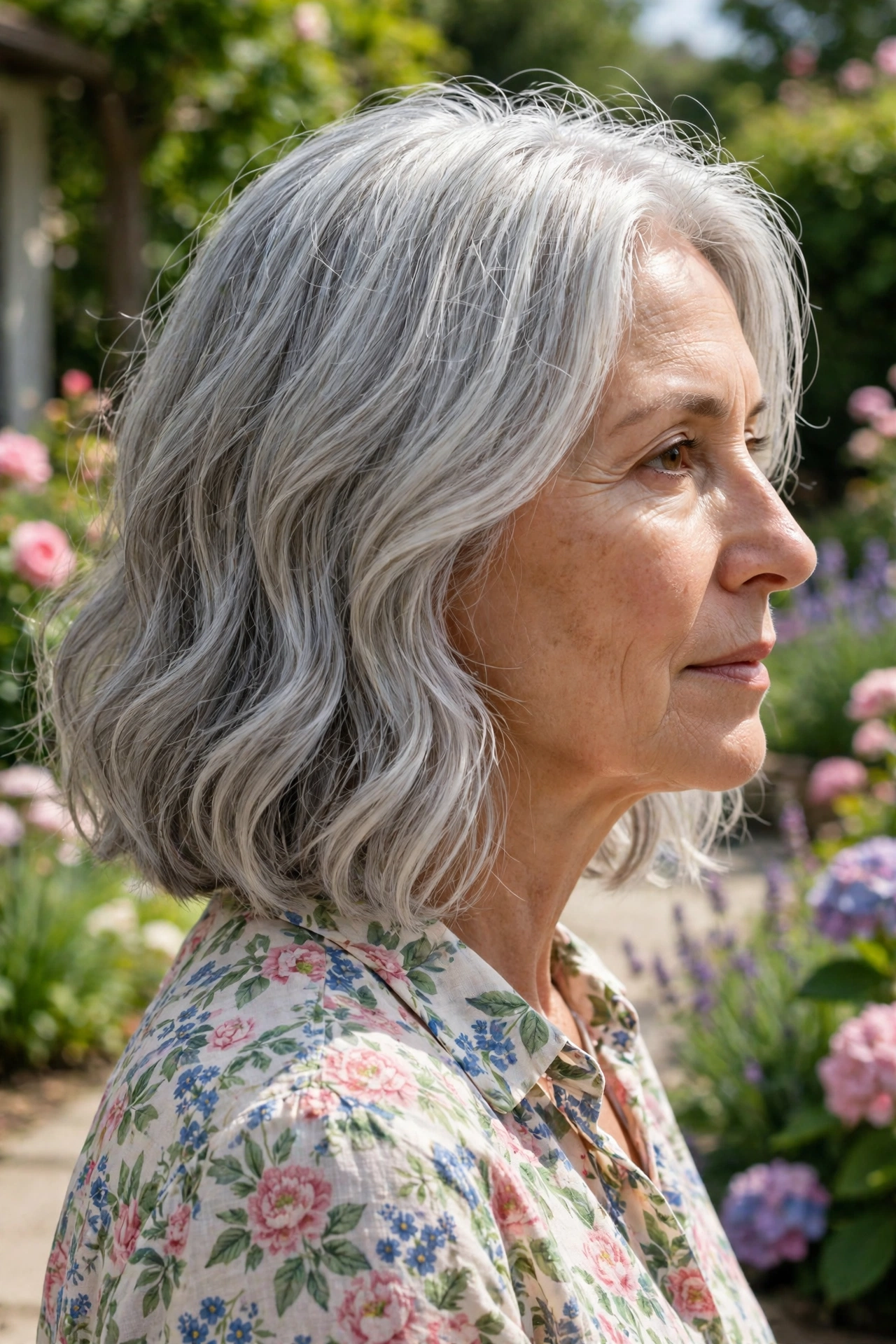
The long bob, often called a lob, sits around the shoulders. It is the safest bob if you are nervous about going short, because you can still tie it back.
It also grows out gracefully. You get a few extra weeks between cuts, and the shape stays wearable while it grows.
Wear it straight for a sleek look, or add loose waves for a softer finish. One cut, two very different moods, and neither takes long.
How to Choose the Right Bob for Your Face and Hair
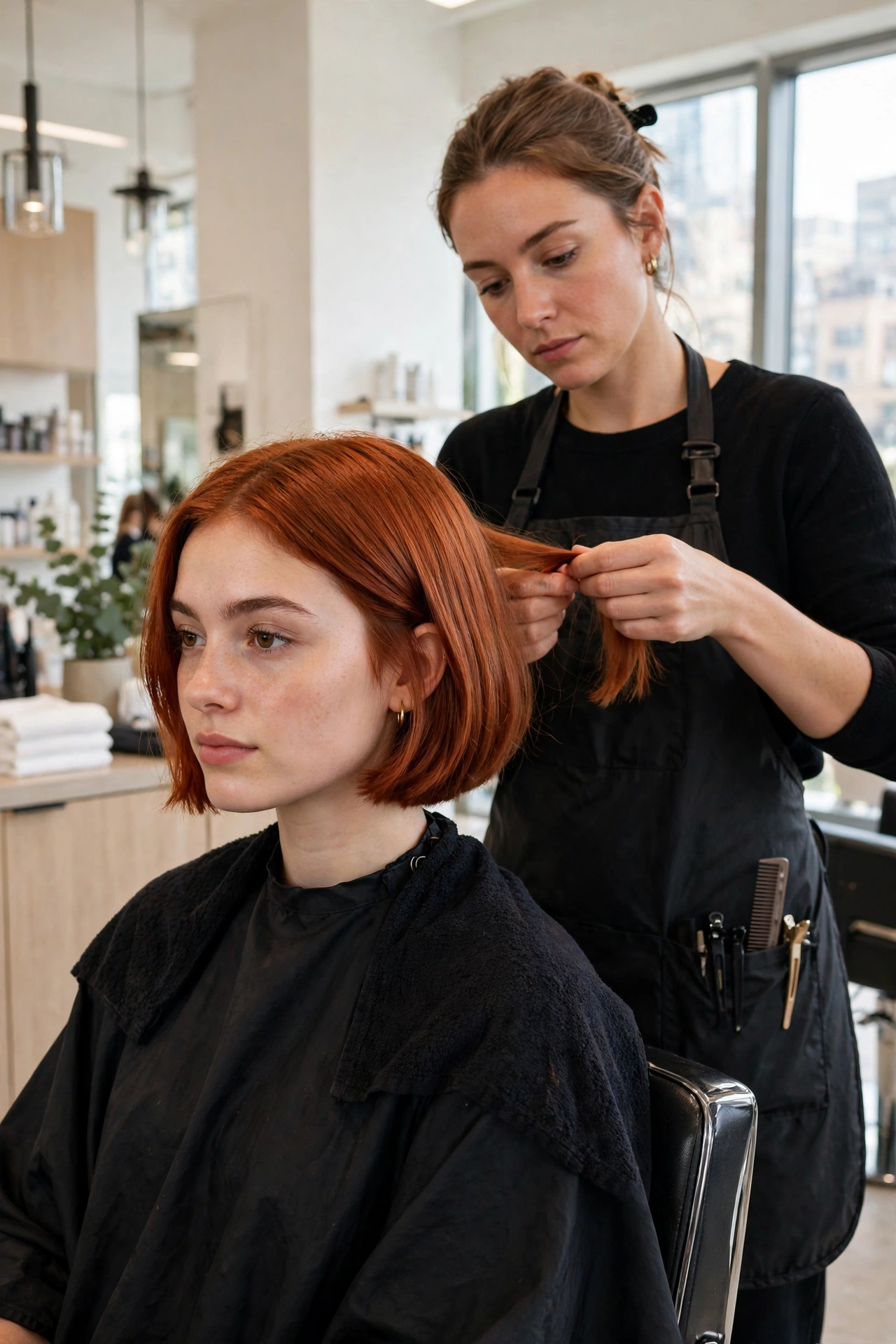
Start with your hair, not a photo. Fine hair often looks best blunt or classic, thick hair usually needs layers, and curly hair needs a cut that respects curl pattern.
Then think about your face shape and your morning routine. A fringe changes a bob a lot, and a very short bob needs more frequent trims than a long bob.
If you are unsure about length or fringe, the face shape article linked here can help you narrow it down before your appointment. Read how to choose a haircut for your face shape, bring two or three photos you like, and one photo of a version you do not want.
Ask about upkeep before you leave the chair. How often should you trim, what should you use at home, and what will this cut look like in six weeks? Good answers there save you from a cut you regret.
For daily care, keep it simple. Wash when your scalp needs it, condition the lengths, and protect your hair from too much heat. You can follow a plain, step by step simple hair care routine, and dermatologists also share tips from dermatologists for healthy hair that are worth a quick read.
If mornings are tight, a bob is already a win. Pair it with a few easy hairstyles for busy mornings and you will have a plan for days when you have five minutes, not thirty.
Quick Answers

How often should I trim a bob?
Most bobs look best with a trim every six to eight weeks. Blunt and French bobs show growth sooner, so they may need a trim a little sooner. A long bob can often stretch a bit longer.
Will a bob suit thin hair?
Yes, if the cut is right. A blunt or classic bob can make thin hair look fuller, because the ends stay thick instead of tapering away. Avoid too many layers, which can make fine hair look thinner.
Can I wear a bob if my hair is curly?
Yes. Ask for a curl aware cut, keep some length for spring, and style with moisture rather than brushing dry curls. A curly bob can be one of the easiest cuts to live with once the shape is right.
Is a bob hard to style every day?
Not usually. Most bob hairstyles need a quick dry, a brush through, and a little product on the ends. On busy days, tuck it, pin it, or add a wave and go.