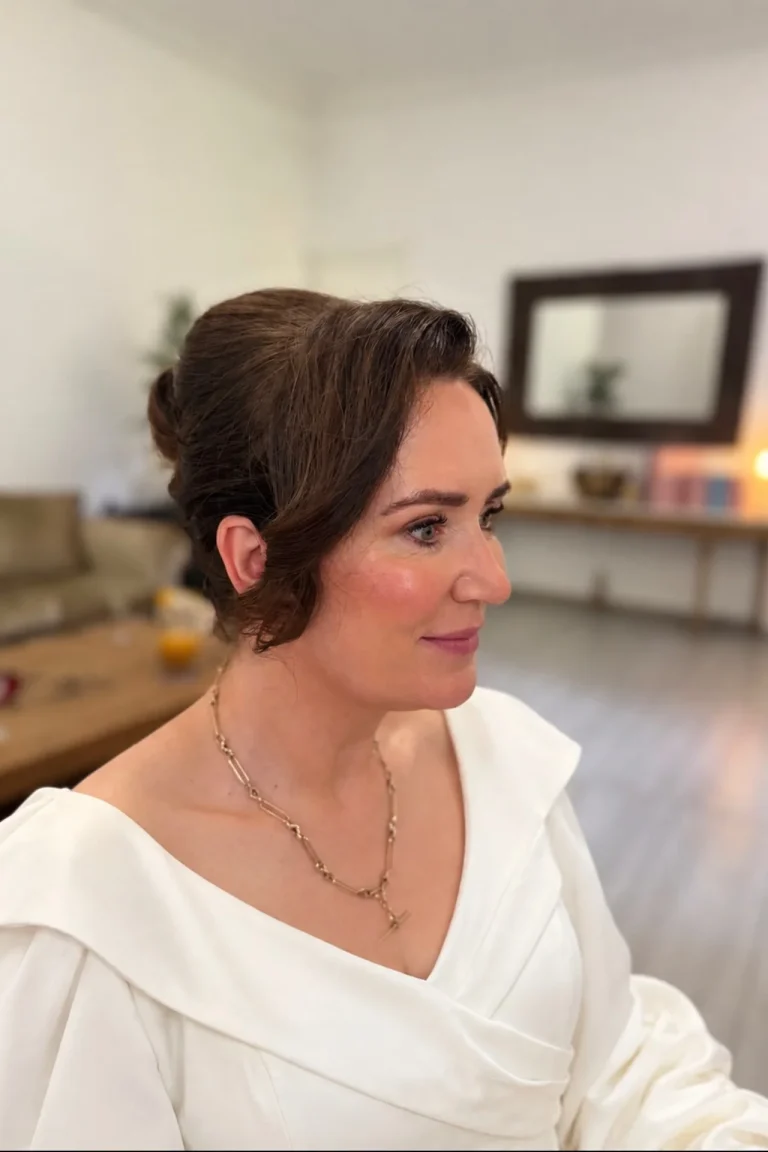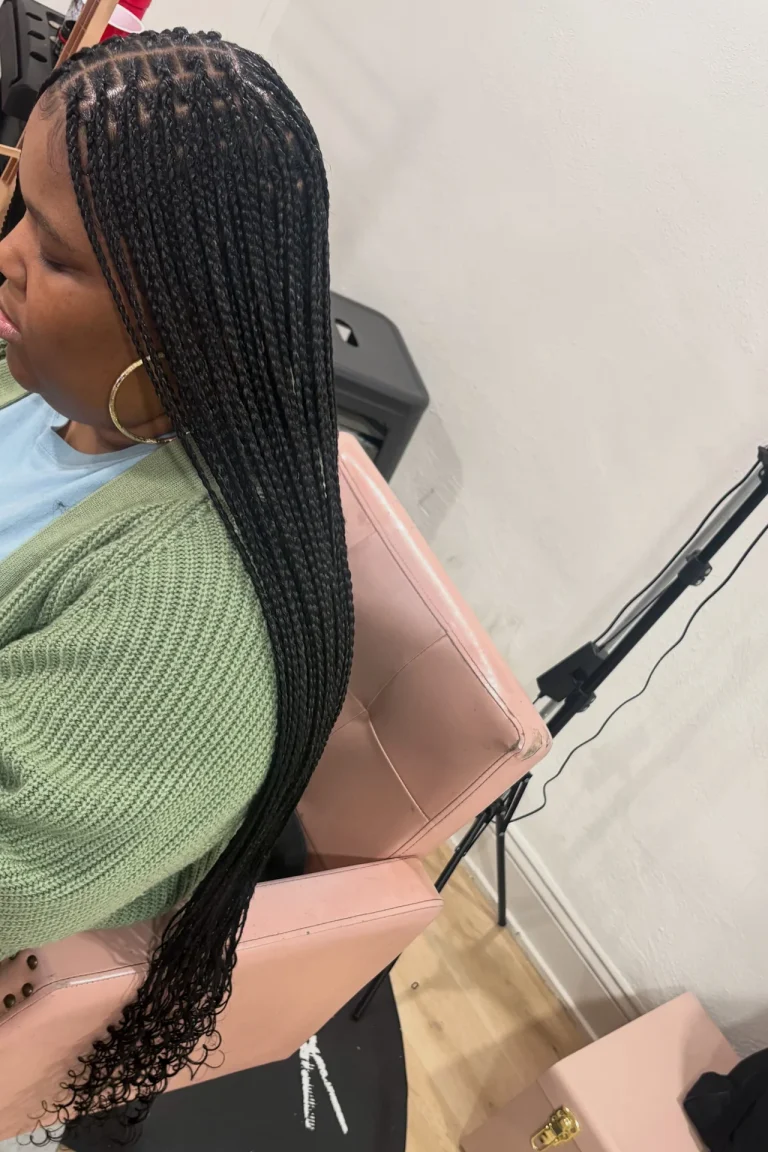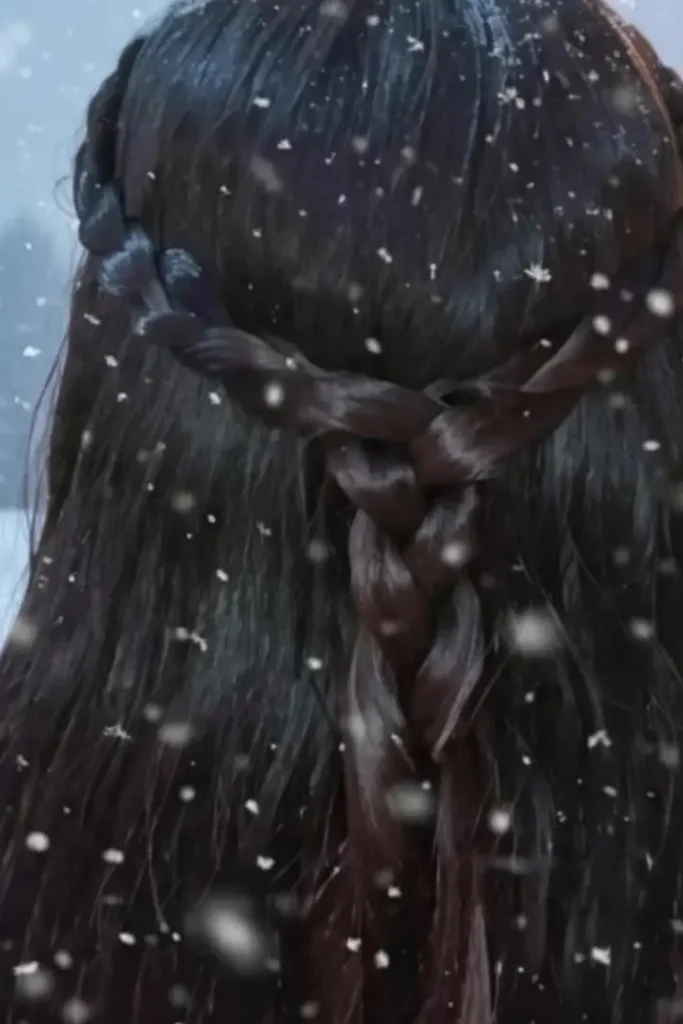
Cold air, wool scarves and dry indoor heat can be rough on long hair. That is why winter braid hairstyles for long hair are such a gift. They tuck your ends away, cut down on tangles and still look lovely when you step out the door.
A good winter braid does more than hold your hair in place. It protects it from wind, keeps it from rubbing against coat collars and lasts from morning to evening. With clean, slightly damp hair and a few minutes, you can build one that feels comfortable all day.
Table of Contents
Why Braids Work So Well in Winter
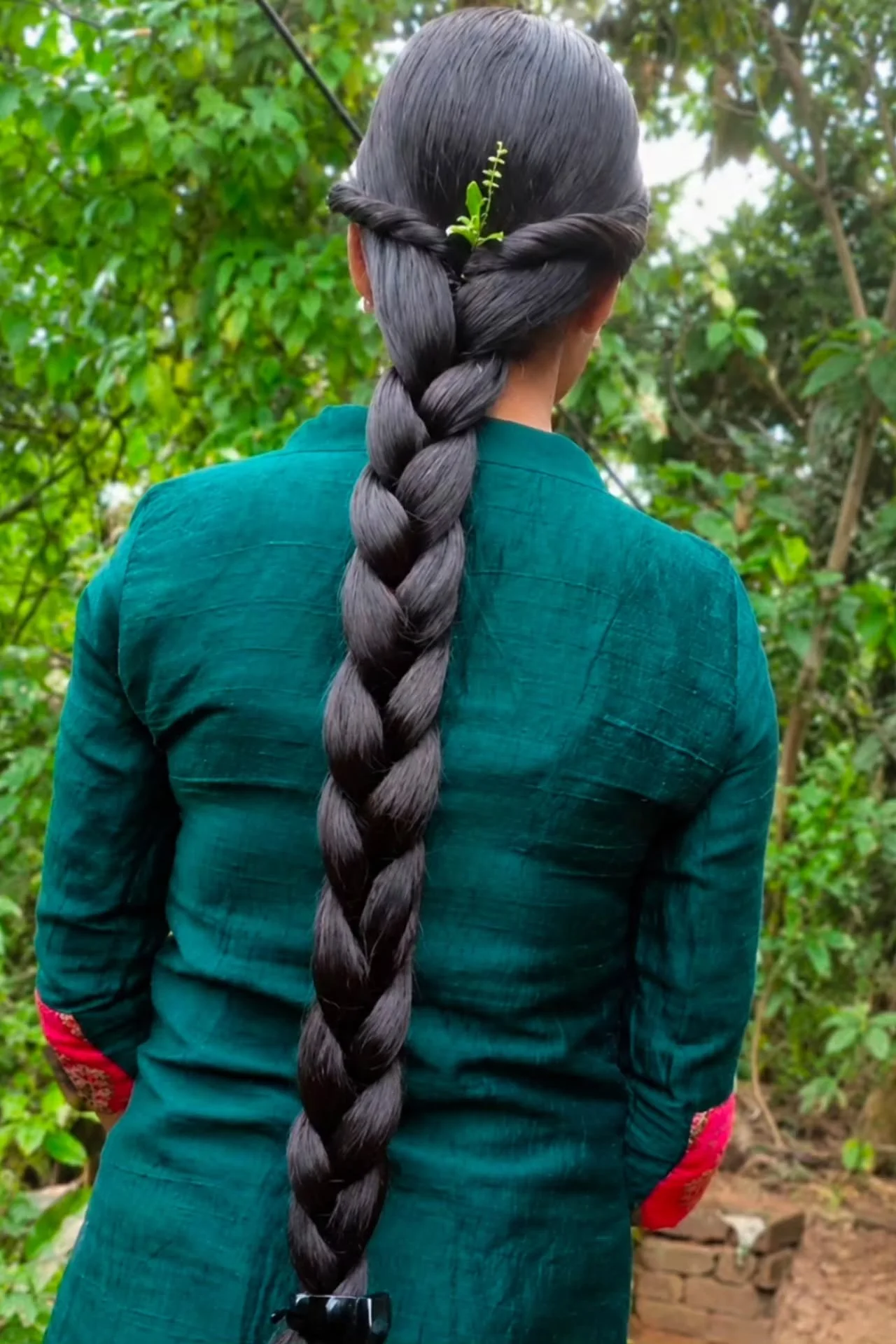
Long hair takes a beating in winter. Wind whips it around, scarves pull at it and dry air leaves it crackly and full of flyaways. A braid solves most of that in one move by gathering the length into a single neat shape.
Braids also cut down on breakage. When your hair hangs loose under a heavy coat, the ends rub against fabric all day. That friction wears the ends thin and invites split ends. A braid keeps the ends tucked and still, so they stay healthier through the season.
Another win is time. A braid you put in at breakfast will still look tidy at dinner, even after a hat, a scarf and a long day out. That all day hold is exactly why winter braid hairstyles for long hair stay popular every cold season.
Classic Three Strand Braids That Never Fail
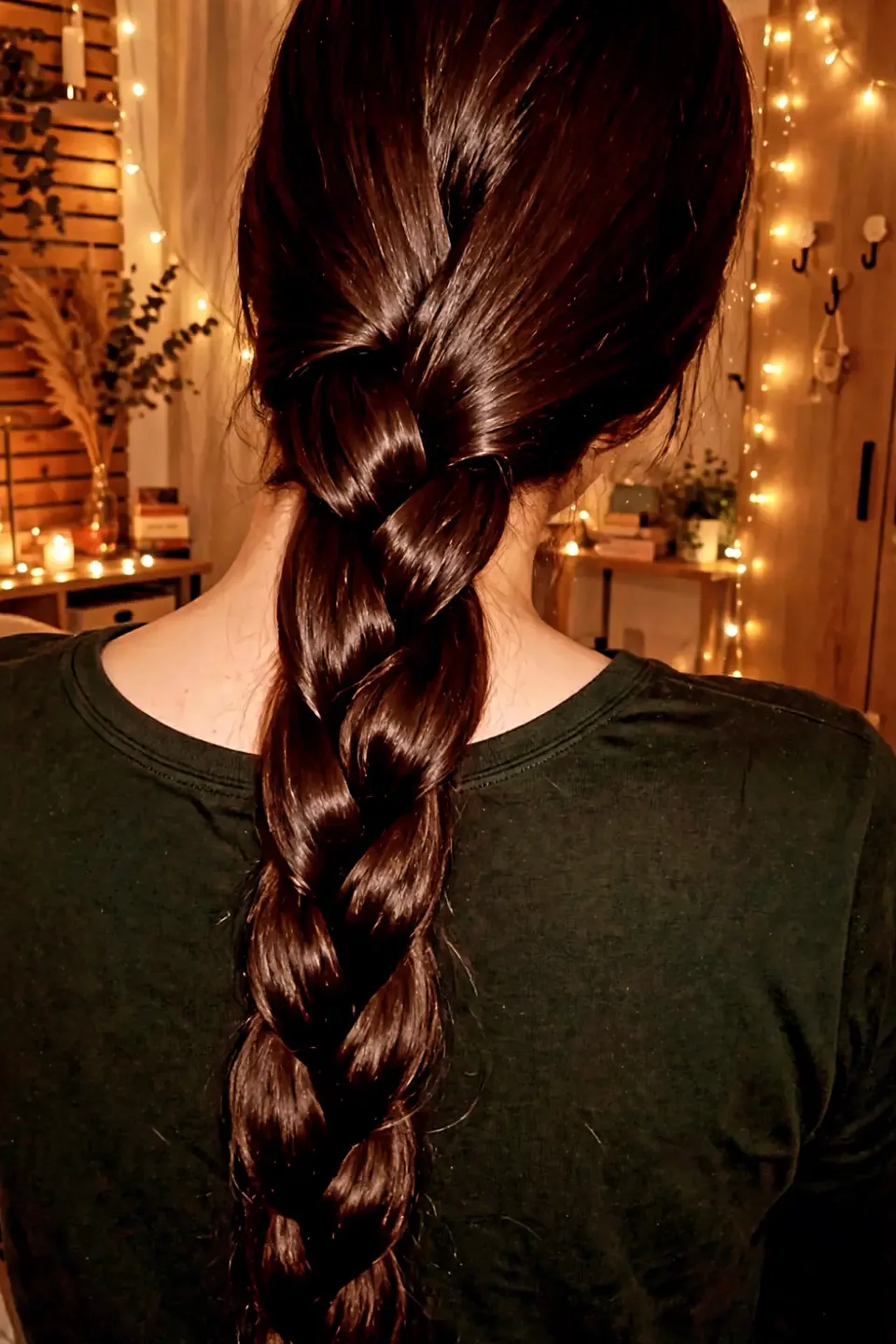
The classic three strand braid is the one most of us learned first, and it still earns its place. It suits every hair texture and works whether your hair is freshly washed or on its second day.
Start by brushing your hair smooth and gathering it low at the nape. Divide it into three even sections and cross the outer sections over the middle one, alternating sides. Keep your tension even but gentle, so the braid feels snug without pulling at your scalp.
For a softer look, pull the edges out just a little once you finish. This gives a fuller shape and keeps the braid from looking too tight. A small clear elastic holds everything without drawing attention.
If you want ideas for younger family members too, easy braided hairstyles for school girls show how the same classic braid can be dressed up with bows and clips.
French Braids for Smooth Cold Days
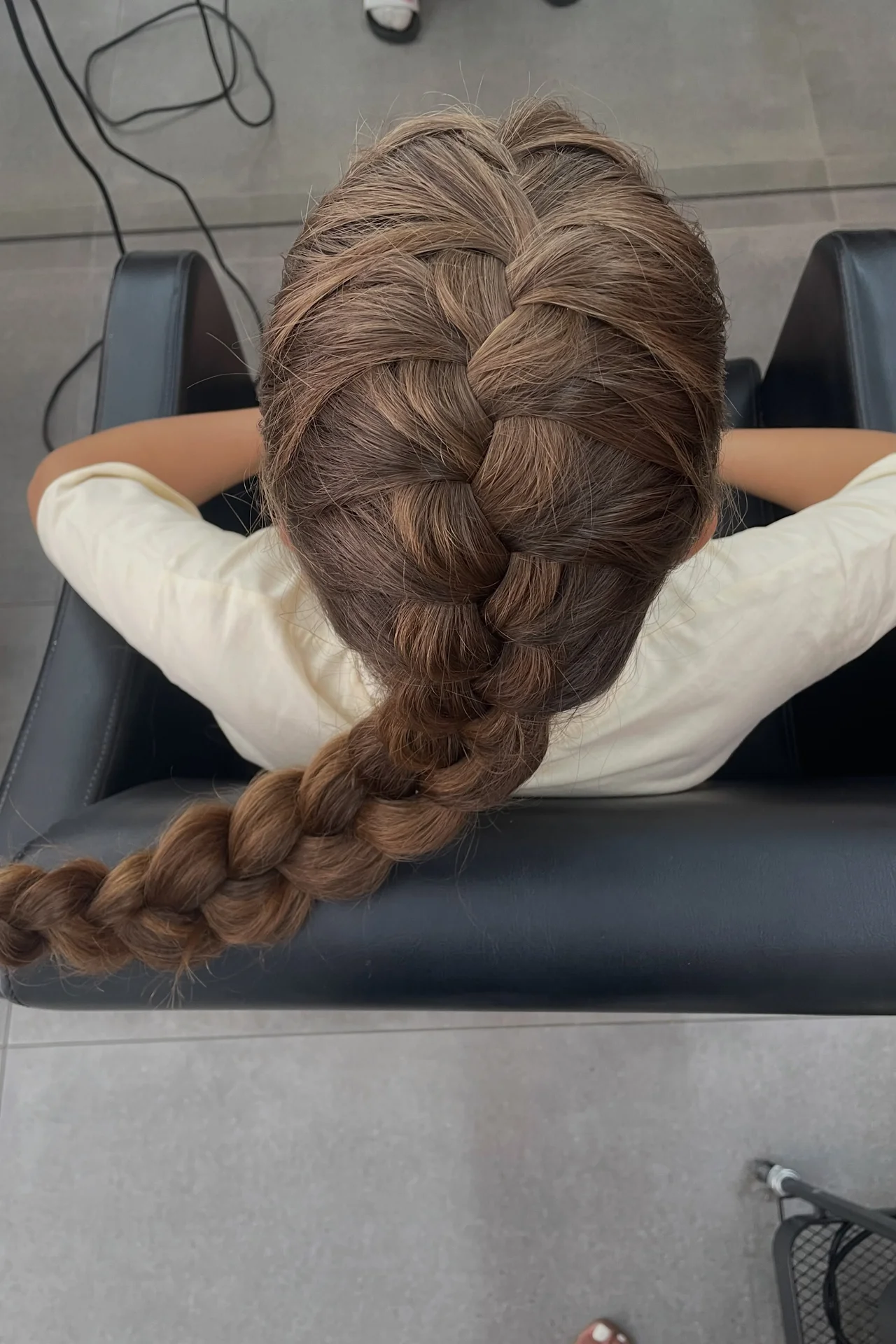
French braids are a step up when you want a style that stays close to the head. They are perfect for windy days because there is very little loose hair left to blow around.
Begin at the front hairline with a small section divided into three strands. As you braid down, add a little new hair to each outer strand before crossing it over. Work slowly and keep your hands close to the scalp so the braid lies flat.
Keep both sides even by adding slightly smaller pieces on any side that starts to look fuller. A light mist of leave in conditioner before you start helps the strands grip instead of slipping.
Dutch Braids With Extra Hold
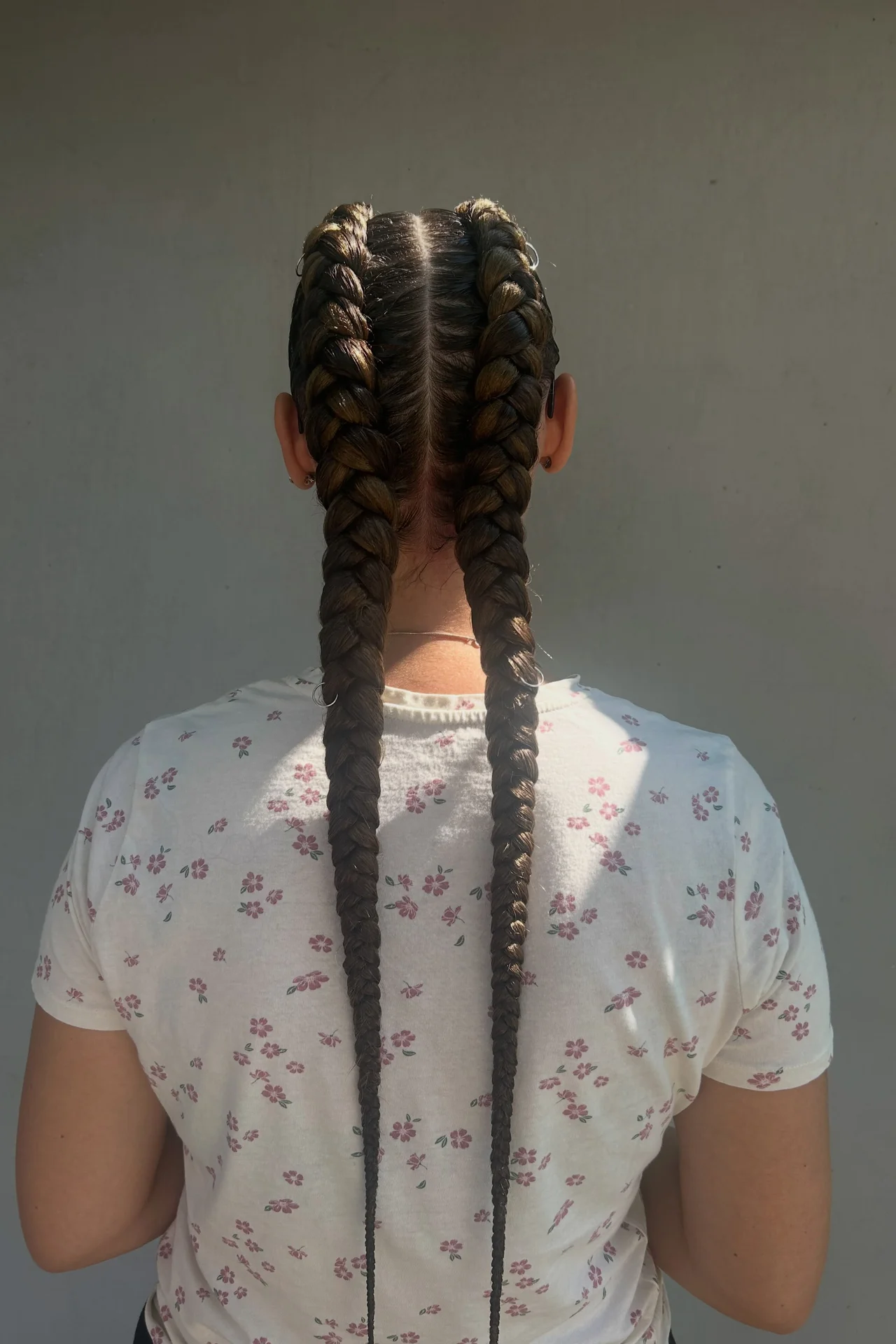
Dutch braids look like French braids turned inside out, and they hold even better in rough weather. Instead of crossing strands over the middle, you cross them under, so the braid pops out from the head.
This raised shape is handy for thick hair that tends to slip out of flatter braids. The under crossing locks each section in place, so the style survives a long walk, a scarf change and even a quick hat swap.
Two Dutch braids, one on each side, suit active winter days well. They spread the weight evenly, keep hair off your neck and look neat from every angle.
Fishtail Braids for a Softer Finish

Fishtail braids look fancy, but they only use two sections of hair. That makes them a lovely option when you want something a bit different without learning a whole new technique.
Split your hair into two equal halves. Take a thin piece from the outside of one half and cross it over to the inside of the other half. Repeat on the other side, working down the length with small, even pieces.
Smaller pieces give a finer fishtail, while larger pieces give a chunkier, more relaxed one. For winter, a slightly looser fishtail looks soft against a chunky knit scarf.
Side Braids That Sit Under a Scarf

Side braids are the answer to the scarf problem. A braid down the back can get squashed or tangled when you wrap a thick scarf around your neck. A side braid sits in front of your shoulder, clear of the scarf.
Sweep all your hair to one side and braid loosely over your shoulder. Keep the tension relaxed near the face so the style feels soft, and let long layers fall into the braid at different points.
Crown Braids for Special Winter Days
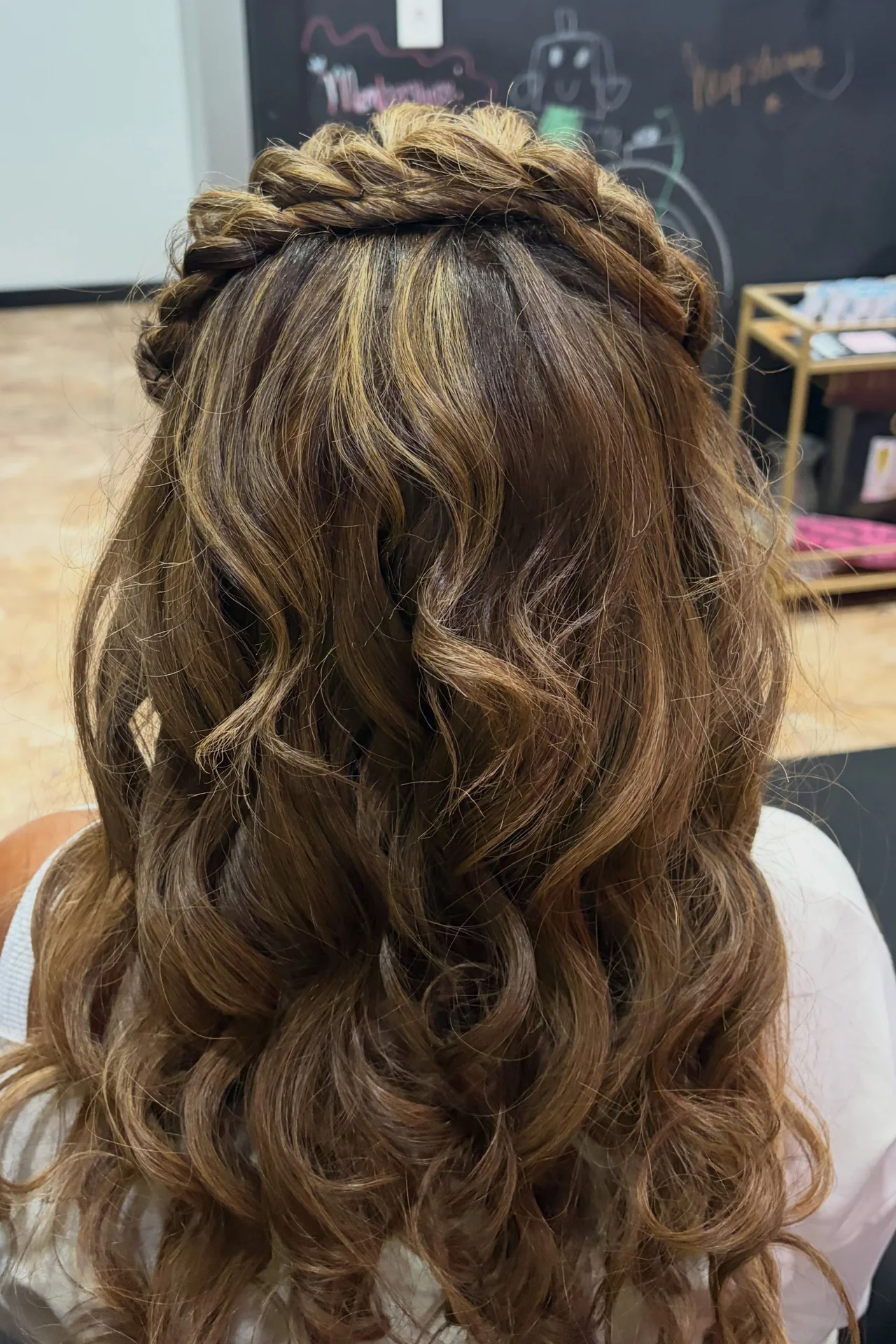
A crown braid wraps around the head like a headband, and it is a wonderful pick for parties, weddings and festive evenings. It keeps every strand off your face while looking elegant.
Build a crown braid from two Dutch braids pinned across the top, or from a single braid wrapped around and pinned in place. Use pins that match your hair color, pushed in against the direction of the braid so they grip.
A crown braid also pairs well with a low bun at the nape, which anchors the braid and helps it last through a long celebration.
Braided Ponytails for Busy Mornings
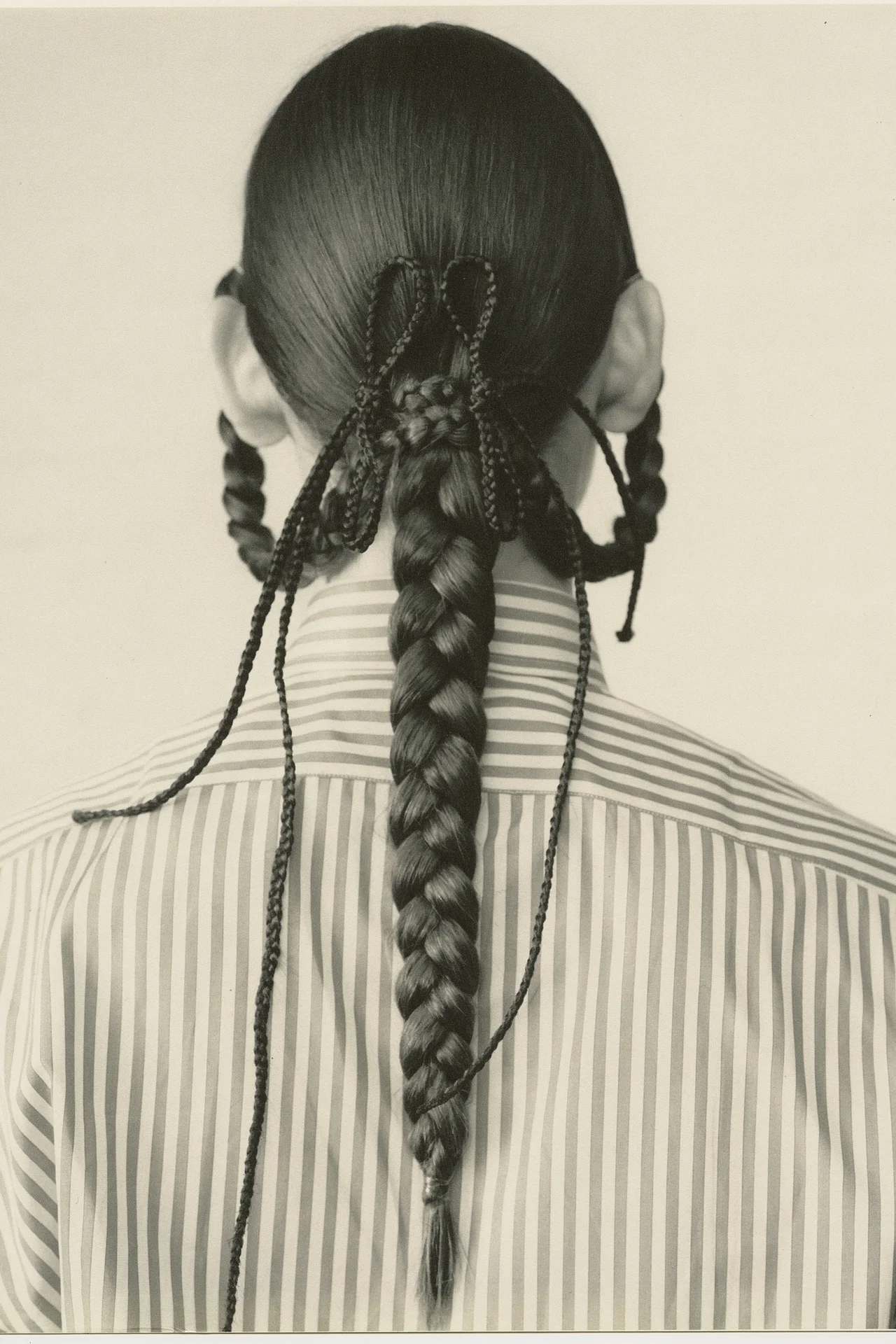
Some mornings you only have five minutes, and a braided ponytail is the style that saves you. Pull your hair into a ponytail first, then braid the tail. It is quick, tidy and far more interesting than a plain ponytail.
A high braided ponytail gives lift, while a low one feels calm and classic. Both keep length controlled under a coat and stop ends whipping in the wind.
Braided ponytails are also kind to second day hair. The braid hides any flatness at the roots, and a little dry shampoo before you start brings back volume.
Braided Buns That Stay Put in the Wind
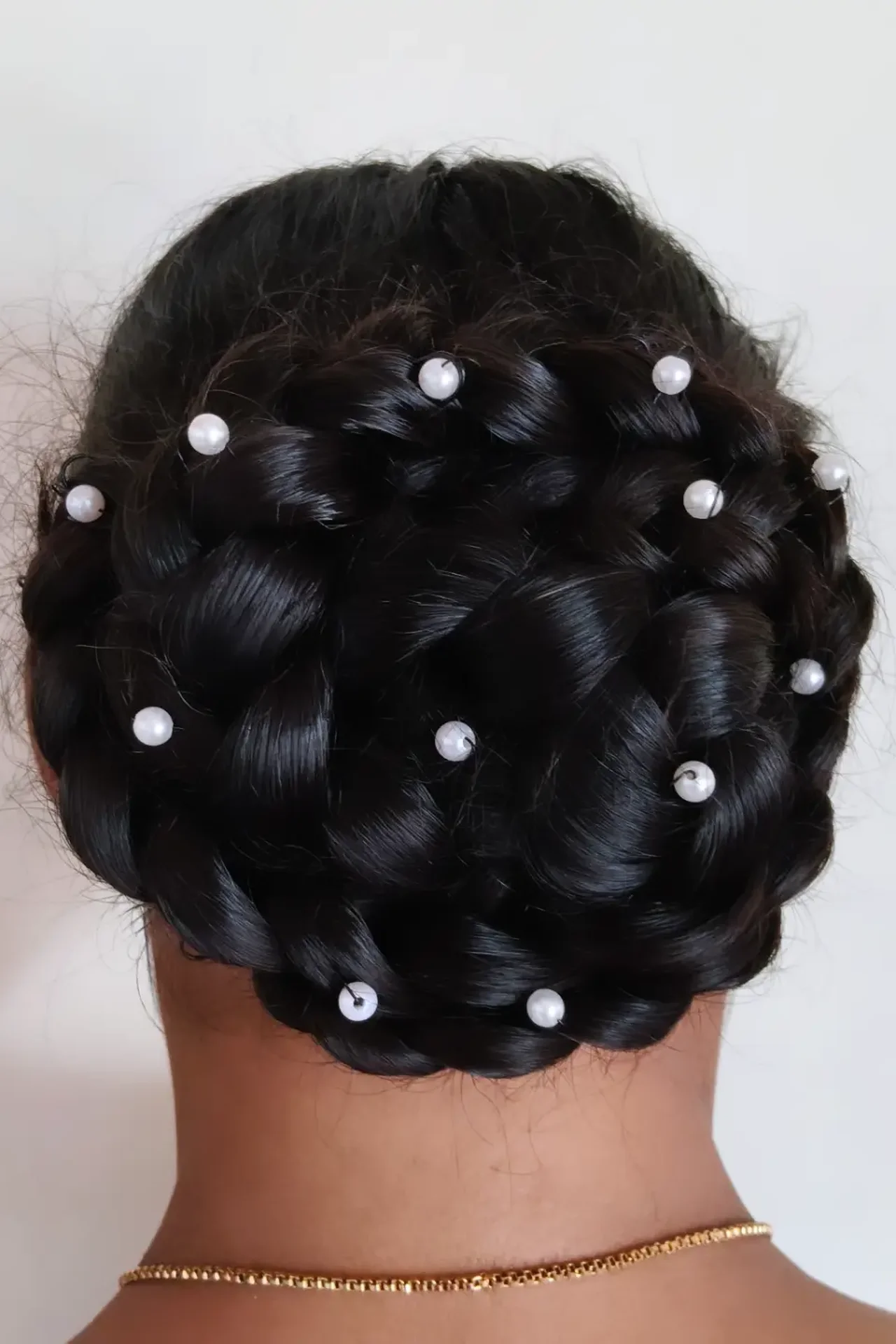
When the wind really picks up, a braided bun is the safest style you can choose. Braid your hair first, then coil the braid into a bun and pin it. The braid stops the bun from loosening, and the bun stops the braid from swinging. For truly wild weather, winter braid hairstyles for long hair do not get more dependable than this.
A low bun suits coats with high collars, since nothing pokes above the collar line. A top bun works better with a scarf, because it sits clear of the fabric.
It is also a good choice for winter walks and workouts, keeping hair out of the way and still looking neat when you take your hat off indoors.
Keeping Braids Soft and Frizz Free
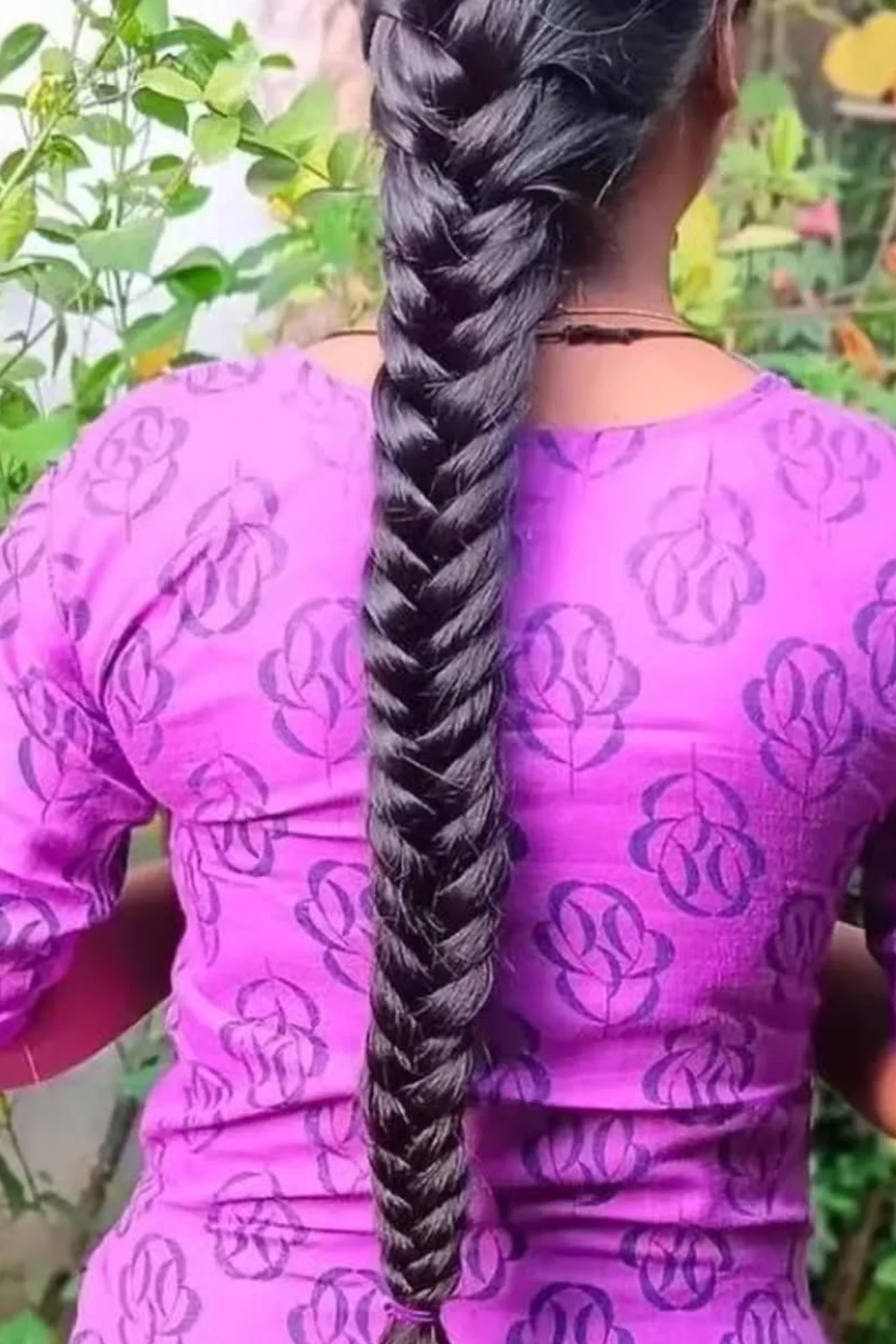
Braids protect your hair, but they still need a little care to stay soft. Winter air dries hair out, so moisture is your best friend all season long.
Start with a rich conditioner and a leave in cream on damp hair before braiding. This seals in moisture and keeps the braid smooth, while a drop of oil on the ends protects the oldest, driest part.
At night, undo your braid and let your hair rest loose or in a very loose plait, since sleeping in a tight braid every night can strain the hairline. A satin pillowcase also cuts friction while you sleep.
For more general cold weather care, gentle hair care tips from dermatologists are a helpful check on washing, drying and protecting your hair through winter.
Quick Answers
How long does a winter braid last?
A well made braid usually lasts a full day, and a Dutch or French braid can last two days if you sleep with it loosely covered.
Can I braid wet hair in winter?
It is better to braid hair that is damp, not soaking wet. Wet hair is more fragile, and it can feel cold against your neck outdoors. Let it dry partway first.
What stops braids from frizzing in dry air?
With winter braid hairstyles for long hair, a leave in conditioner before braiding and a little oil on the ends make the biggest difference. A silk scarf under a wool one also cuts friction.
Are braids good for fine long hair?
Yes, braids make fine hair look fuller, especially if you gently pull the edges out after braiding. A fishtail or a pulled out Dutch braid adds the most fullness.
How do I keep a braid neat under a hat?
Choose a braid that sits close to the head, like a French or Dutch braid, and put the hat on gently from front to back. A silk lining inside the hat helps too.