Cold air pulls moisture straight out of your hair, and indoor heating finishes the job. If your hair feels rough, tangles fast, or puffs up the moment you step outside, you are not doing anything wrong. A winter hair care routine for dry frizzy hair just needs a different rhythm than the one that works in summer, with more moisture, less heat, and a gentler hand.
The good news is that dry winter hair responds fast once it gets what it has been missing. Small changes, like washing less often and sealing in a leave-in, can soften your hair within a week or two. This routine walks through each step in order, so you can build a winter habit that fits real mornings.
Table of Contents
Why Winter Dries Hair Out
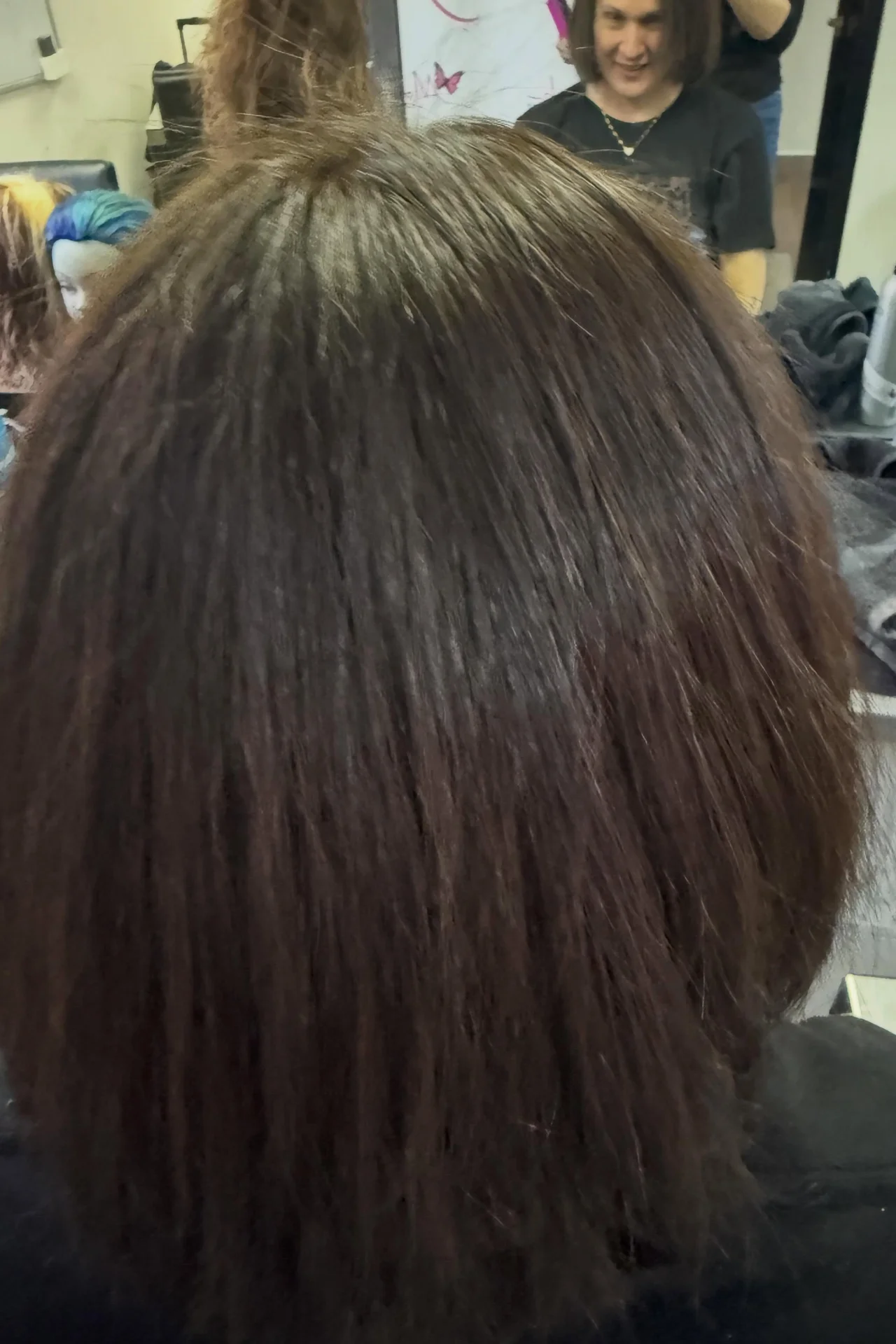
Winter air holds very little moisture, and that dryness pulls water from the hair shaft. Every time you move between cold streets and heated rooms, your hair swells and shrinks a little, which roughs up the outer layer. That rough surface is what you feel as frizz and see as dullness.
Dry hair also breaks more easily, so brushing and styling need a lighter touch in winter. Once you understand that the season itself is working against your hair, the fixes start to make sense. You are not fighting bad hair. You are replacing moisture faster than winter can steal it.
Starting With a Gentler Wash

Washing every day strips the natural oils that keep dry hair calm, so two or three washes a week is plenty for most people in winter. On the days between washes, a quick refresh with water or dry shampoo keeps your style presentable without another full wash.
When you do wash, use lukewarm water rather than hot, since hot water lifts the hair cuticle and lets moisture escape. Pick a creamy, sulfate free shampoo and focus it on your scalp, letting the suds rinse gently through the lengths. Your ends do not need scrubbing. They need kindness.
Deep Conditioning That Actually Works
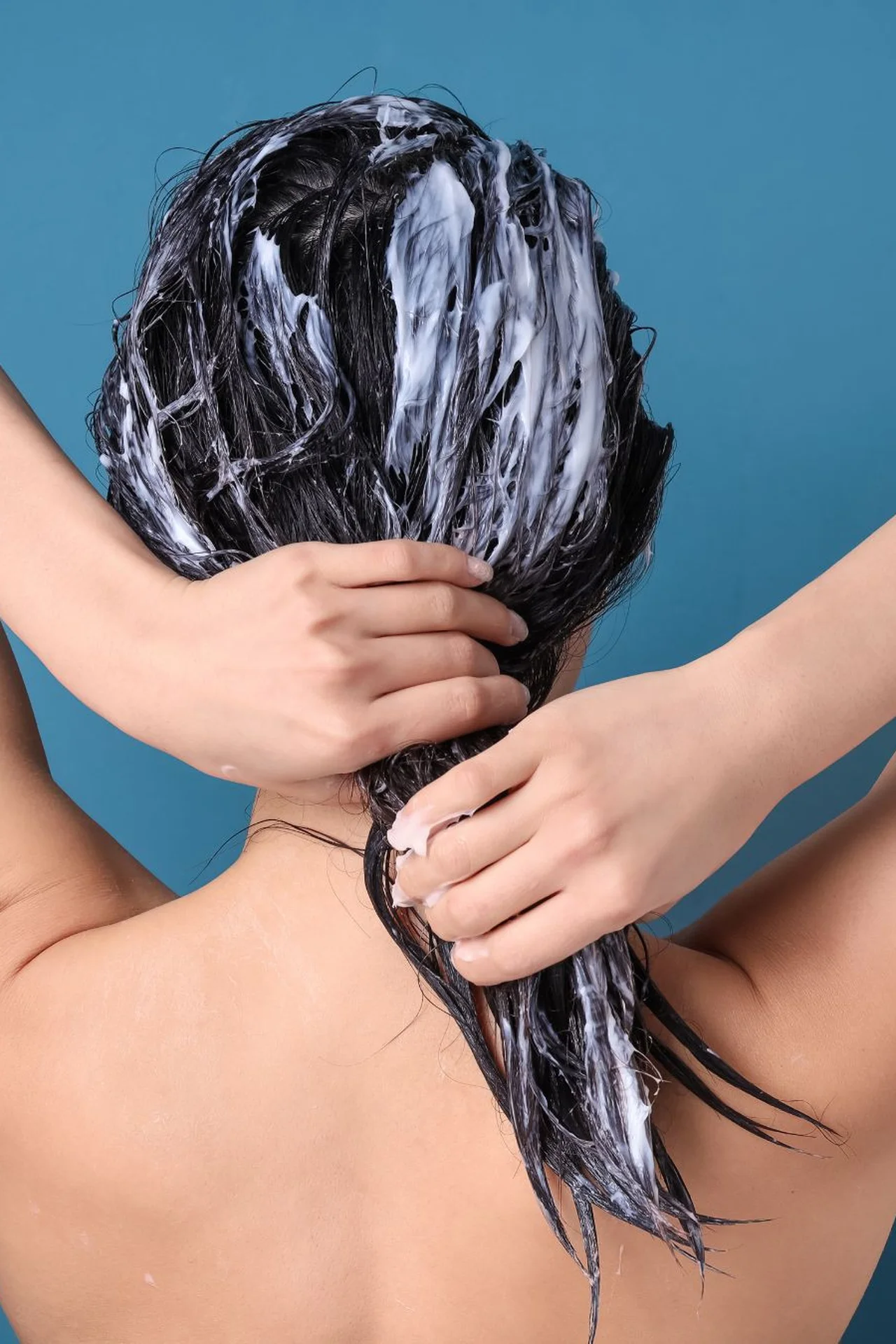
A regular conditioner is not enough when winter has dried your hair out. Once a week, swap it for a deep conditioning mask and give it time to work. Apply it from mid-length to ends, where dryness shows most, and leave it on for at least ten minutes.
A shower cap or warm towel over the mask helps it sink in, since gentle heat opens the hair shaft a little. Rinse with cool water to close things back down and lock the moisture inside. Hair that gets this weekly treat stays softer between washes and tangles far less.
Leave-In Moisture for Frizz Control
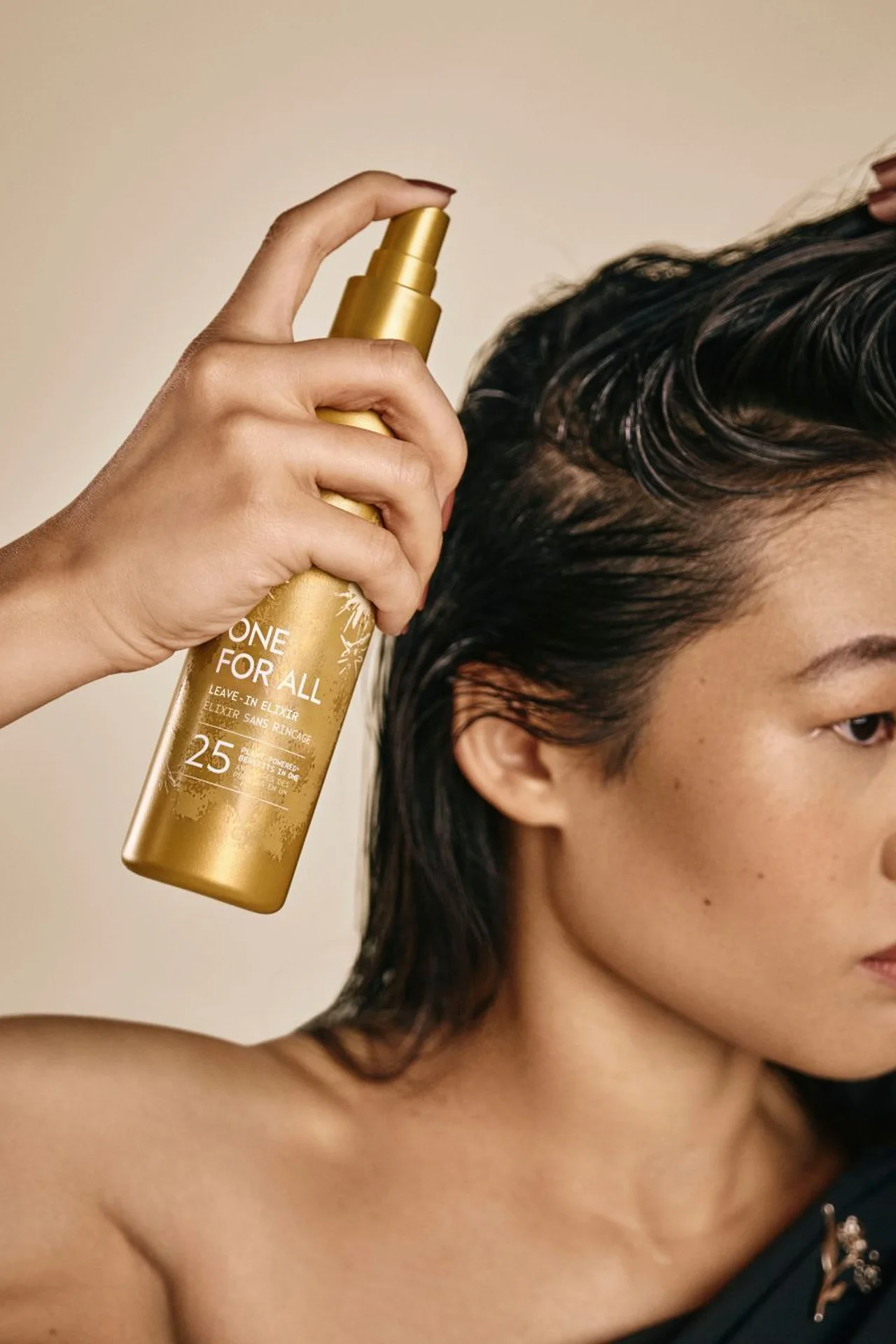
Leave-in conditioner is the single step that makes the biggest difference for frizzy winter hair. Apply a small amount to damp hair right after washing, working it through the lengths with your fingers. It forms a light shield that slows moisture loss all day.
Start with less than you think you need, since too much product weighs hair down and makes it look flat. You can always add a little more to the ends, which are always the thirstiest part. A good leave-in also makes detangling easier, which means less breakage when you comb through.
Oils and Sealing Without the Grease
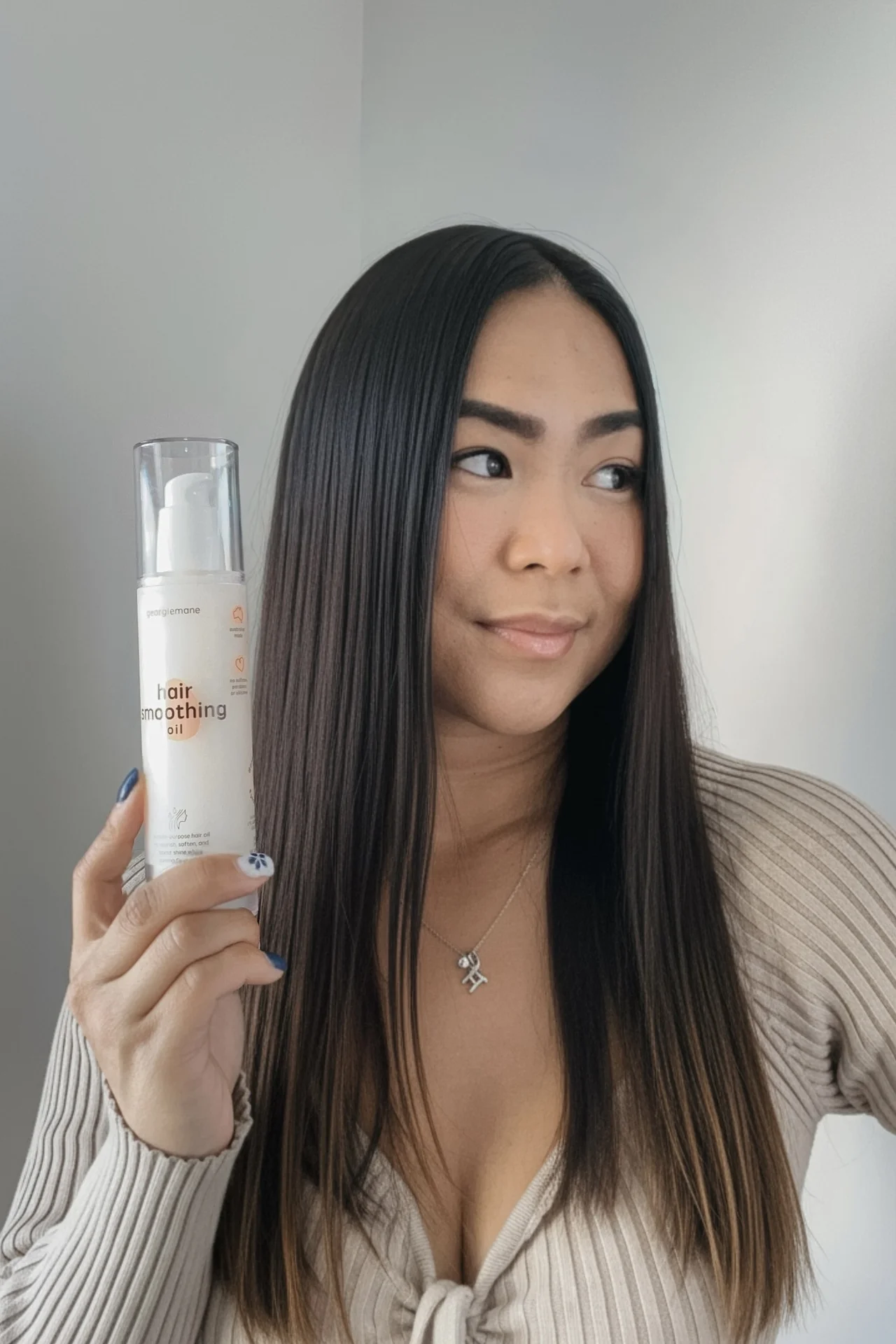
Oil gets a bad name because people use far too much of it. For dry frizzy hair, a few drops are enough, and placement is what matters most. Smooth oil over the ends only, after your leave-in, to seal the moisture in place.
Argan, jojoba, and sweet almond oil all work well, and you should pick the one your hair seems to like best. If your hair feels greasy by midday, you used too much or put it too close to the roots. A light hand keeps the shine without the weight, and your ends will thank you for it.
Drying Hair the Low-Heat Way
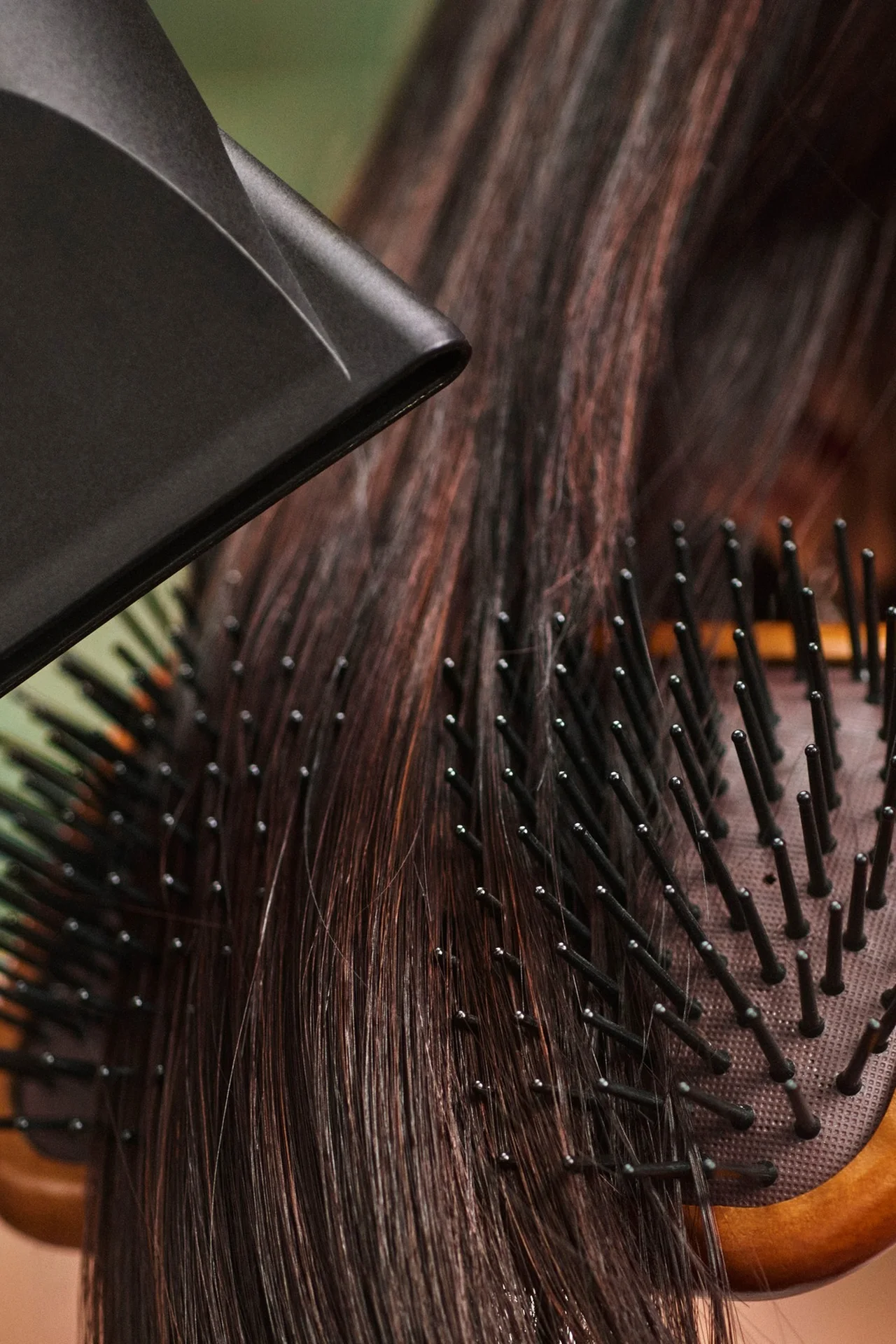
Heat is the fastest way to undo all the moisture you just added, so winter drying should be as gentle as you can manage. If you have time, let your hair air dry most of the way before touching it with any heat. A soft microfiber towel or an old cotton shirt dries hair with far less friction than a regular towel.
When you do use a dryer, keep it on low or medium heat and hold it a little farther from your hair than usual. A heat protectant spray is worth using every single time, even for a quick dry. Your hair keeps more of its softness when heat stays low and brief.
Protective Styles for Cold Days

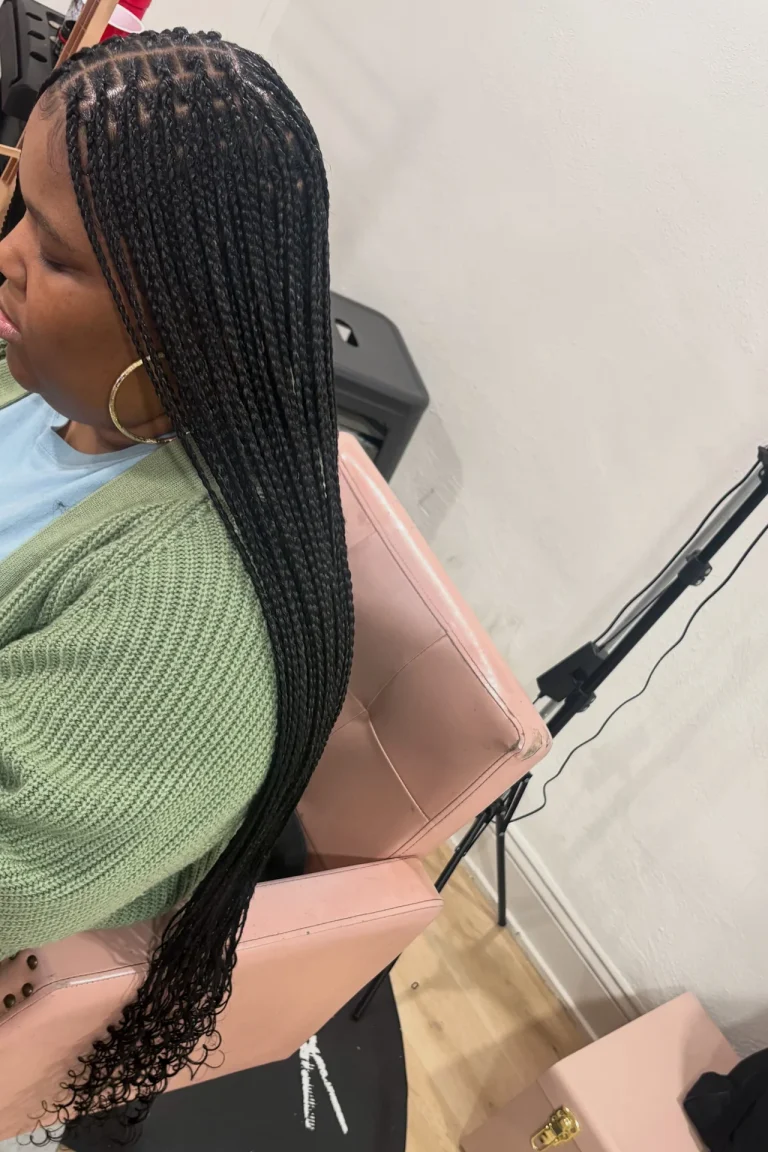
Loose braids, low buns, and twists are your friends in winter because they keep your ends tucked away from wind and friction. A style that holds your hair together also means less tangling, which means less breakage when you take it down at night.
Avoid tight styles that pull at your hairline, since stressed roots break more easily in dry weather. The goal is gentle protection, not a style that fights your hair. Even a simple loose braid under your coat keeps your ends safer than hair left loose in the wind.
Hats, Scarves, and Static Control

Hats keep you warm, but wool and rough fabrics create friction that roughs up dry hair and builds static. A silk or satin lining inside your hat solves most of this, and a satin scarf under a hood works the same way. Your hair slides instead of catching, so it stays smoother.
Static is worse when hair is dry, so keeping your routine moisturizing already helps a lot. A tiny drop of oil smoothed over your hands and then over your hair tames flyaways on the spot. Keep a small bottle in your bag for midday touch-ups, and static stops being a daily battle.
Nighttime Care That Saves Mornings

Night is when dry hair loses moisture to your pillowcase, so a satin or silk pillowcase is one of the best winter investments you can make. Cotton pulls moisture from hair while you sleep, while satin lets it glide and stay hydrated. You will notice the difference in morning frizz within days.
A loose braid or a soft pineapple bun keeps hair from tangling overnight. If your ends feel very dry, a tiny amount of leave-in before bed works while you sleep. Mornings get easier when your hair wakes up almost as soft as it went to bed.
Weekly Rhythm That Keeps Hair Soft
A routine only works if you can keep it up, so here is a simple weekly shape for this winter hair care routine for dry frizzy hair. Wash two or three times with a gentle shampoo, deep condition once, and use leave-in after every wash. Seal ends with a few drops of oil, and keep heat low all week.
On non-wash days, refresh with a little water or leave-in on the ends rather than washing again. Protective styles on windy days and a satin pillowcase at night round it out. If your hair still feels dry after two weeks, add a second deep conditioning session before changing anything else, since moisture is usually the missing piece.
For readers who also love simple protective styling, braided hairstyles for school girls show how gentle braids can protect hair on busy days. And for general hair health advice, these gentle hair care tips from dermatologists are worth a read.
Quick Answers
How often should I wash dry frizzy hair in winter?
Two or three times a week is enough for most people. Washing less often lets your natural oils protect your hair, and you can refresh between washes with water, dry shampoo, or a little leave-in on the ends.
Why does my hair get frizzy only in winter?
Cold air holds less moisture, and heated rooms dry the air further, so winter constantly pulls water from your hair. The dry, roughened surface then catches on itself and puffs up, which is exactly what frizz is.
Do I really need both a leave-in and an oil?
They do different jobs, so yes, they work best together. A leave-in adds moisture into the hair, while a few drops of oil on the ends seal that moisture in so it lasts through the day.
Can hats really damage my hair?
Rough hat fabrics cause friction that roughs up dry hair and builds static, but the fix is simple. A silk or satin lining, or a satin scarf worn under your hat, lets your hair slide instead of catching.
How long until a winter hair care routine for dry frizzy hair shows results?
Most people feel softer hair within a week, and see real change within two to three weeks of steady care. If nothing improves after that, add a second weekly deep conditioning session before trying new products.